
Last updated September 23, 2026
Whole-system duct and dryer vent check with before-and-after photos - you see exactly what came out of your vents
That "$99 whole-house special" is a bait ad - the real number appears once they are in your hallway, or the "clean" is a shop-vac at the register. We photograph the inside of your ducts before and after instead.
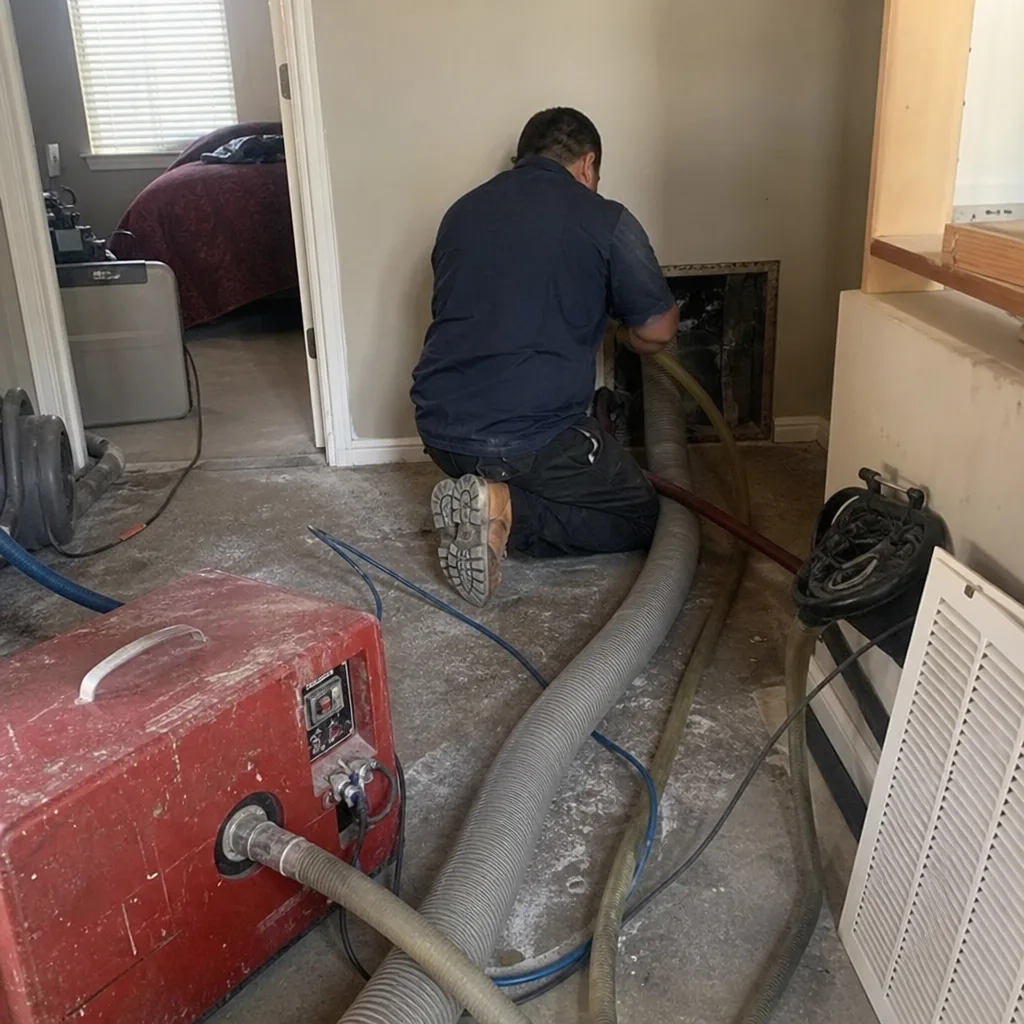 Before
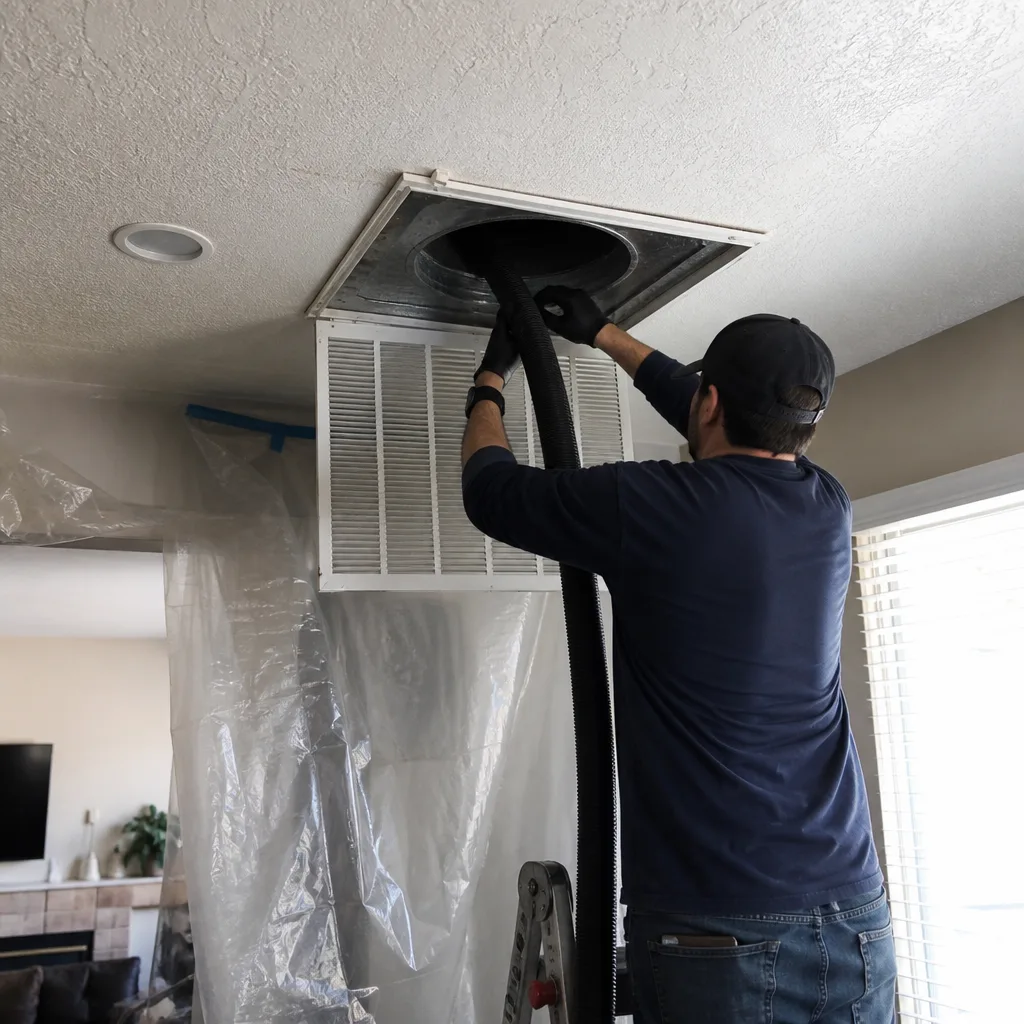 After
After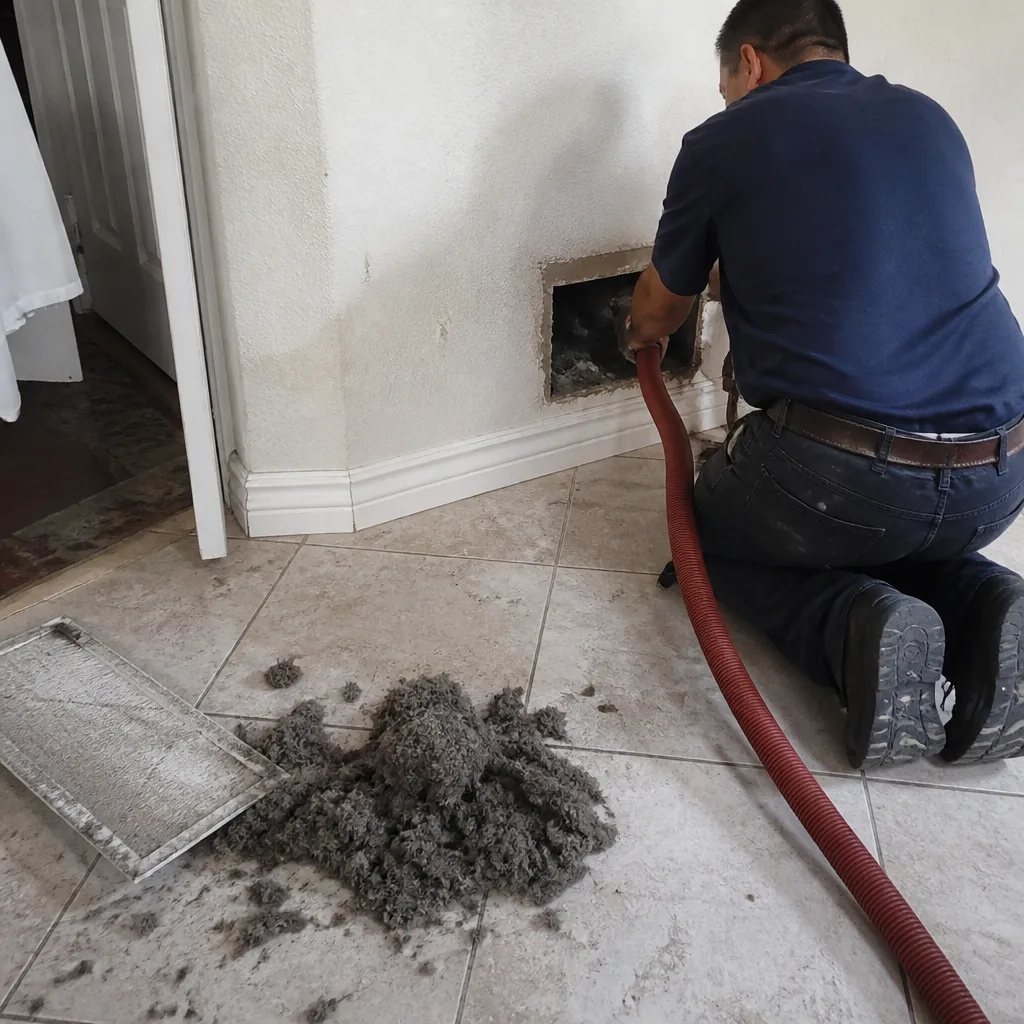 Before
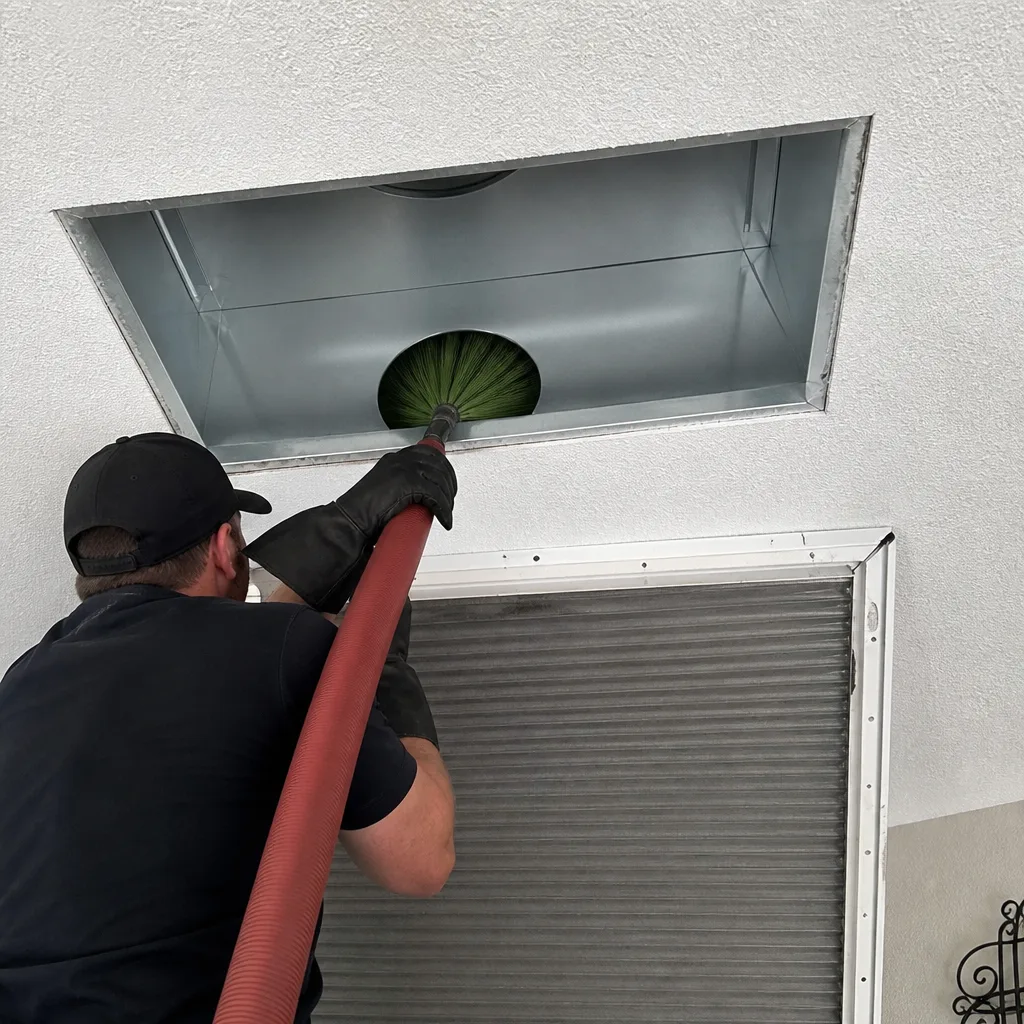 After
After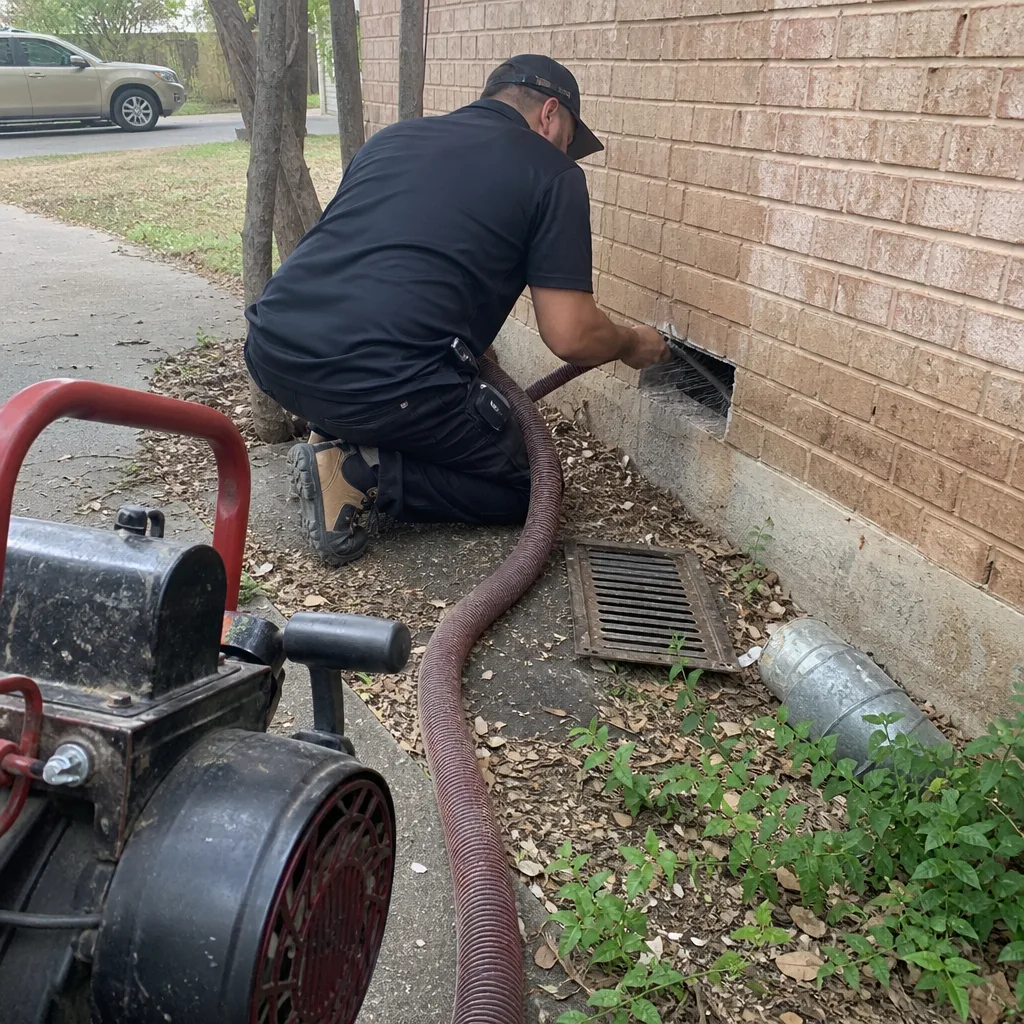 Before
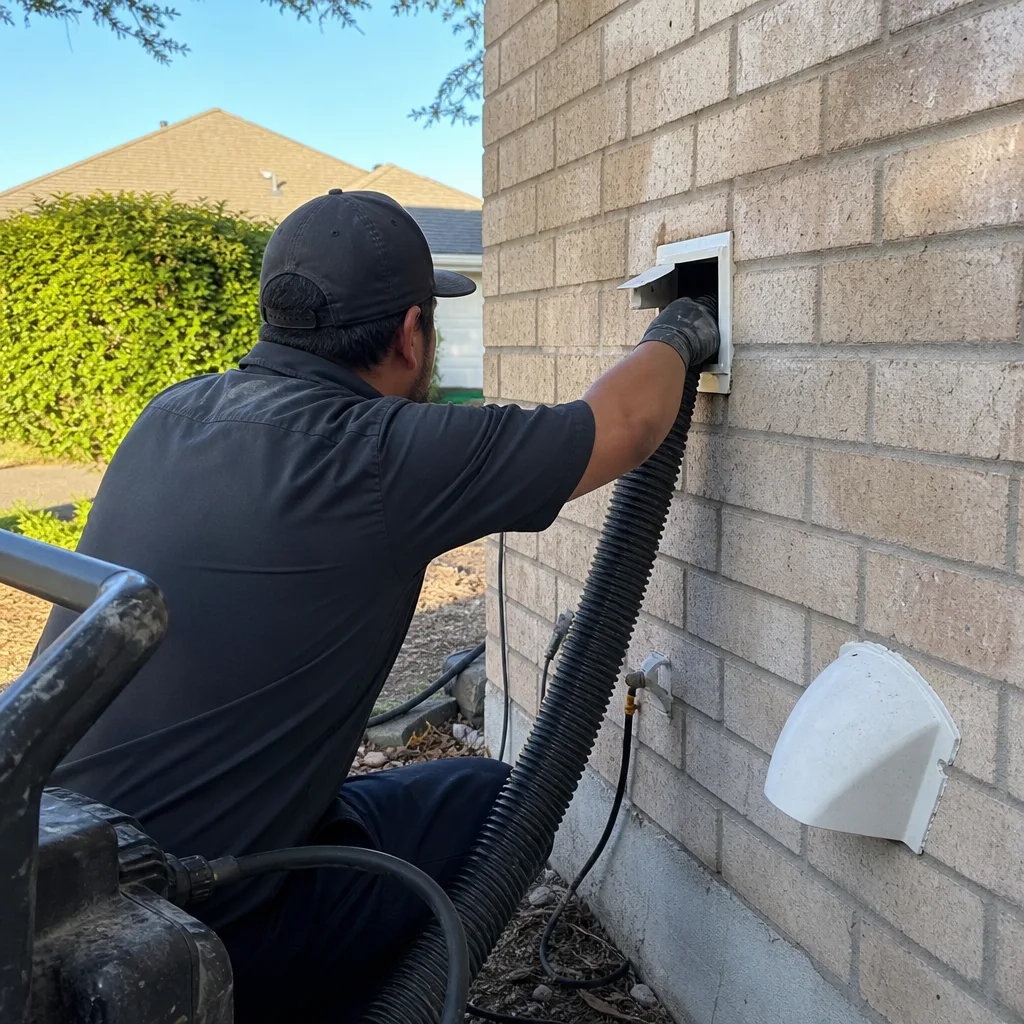 After
AfterAir Duct Cleaning Cost Breakdown: The San Antonio Homeowner’s Reference for 2026
The gap between the lowest advertised air duct cleaning price in San Antonio and the median actual invoice paid is $340, based on contractor pricing data and consumer complaint patterns with the Texas Attorney General’s office. That gap has a name: upsell surface area, and it’s built into the $79 model by design. This Air Duct Cleaning guide publishes the actual cost structure line by line so every number on an estimate is something you can interrogate. You’ll learn what a fair 2026 price looks like for your home’s square footage, which add-ons carry legitimate costs and which are fabricated on-site, and the exact language that separates accountable contractors from those who won’t put a price in writing.
Quick Answer
In San Antonio, professional air duct cleaning for a typical single-system home ranges from $380 to $780 in 2026, with most homeowners paying between $480 and $620 for a complete cleaning of all duct runs, registers, and the main plenum. The final number depends on home size, duct material type, attic access difficulty, and whether legitimate add-ons like dryer vent cleaning or coil service are included. Prices below $300 for a whole-home system should prompt scrutiny, as they rarely cover the labor hours required for proper negative-pressure extraction.
Table of Contents
- The $79 Trap: How the Coupon Model Actually Works
- Fair 2026 Price Ranges by Home Size in San Antonio
- What Drives Legitimate Price Variation in San Antonio Homes
- Legitimate Add-Ons vs. Fabricated Charges
- How to Get a Written Price Before Booking
- What Your Documentation Should Include
- Common Mistakes to Avoid
- When to Call a Professional
- Frequently Asked Questions
BeforeAfterThe $79 Trap: How the Coupon Model Actually Works
The $79 air duct cleaning advertisement is not a loss leader. It’s a pricing structure designed to create a transaction at the door, then migrate that transaction upward through staged disclosures. We’ve reviewed consumer complaints filed with the Texas Attorney General’s office and Better Business Bureau records for San Antonio HVAC service companies, and the pattern is consistent enough to document.
Here’s how the visit typically unfolds:
- The arrival confirmation. The technician arrives and confirms the $79 price covers “basic vent cleaning.” The scope is intentionally undefined.
- The inspection reveal. A camera is inserted, or a register is removed, and the homeowner is shown debris, dust, or microbial staining. The technician states that the $79 service does not cover this level of contamination.
- The first upsell. The price migrates to $299-$450 for “deep cleaning” or “rotary brush service.” The homeowner, already invested in the appointment and facing social pressure at their own doorway, often agrees.
- The system-level upsell. The plenum (the central distribution box where heated or cooled air divides into duct runs) is identified as contaminated. The main trunk line requires separate pricing. The coil, if visible, needs cleaning. The dryer vent, if accessible, is a fire hazard. Each carries an additional charge introduced after work has begun.
- The final invoice. The median final invoice in documented complaints reaches $612, with some exceeding $1,200. The $79 figure appears only as a line-item discount against inflated subtotals.
The structural problem is not that additional services were needed. It’s that the homeowner had no reference point to evaluate whether each add-on was priced fairly, whether it was needed at all, or whether it should have been included in the original scope. The $79 model depends on this information asymmetry.
In San Antonio specifically, this pattern intensifies during peak cooling season, May through September, when homeowners are more likely to respond to urgency around indoor air quality and should consult an Air Duct Cleaning Maintenance Checklist for San Antonio Homeowners. The Texas heat means systems run longer, filters load faster, and the visual evidence of contamination is more pronounced when a technician opens a register.
Fair 2026 Price Ranges by Home Size in San Antonio
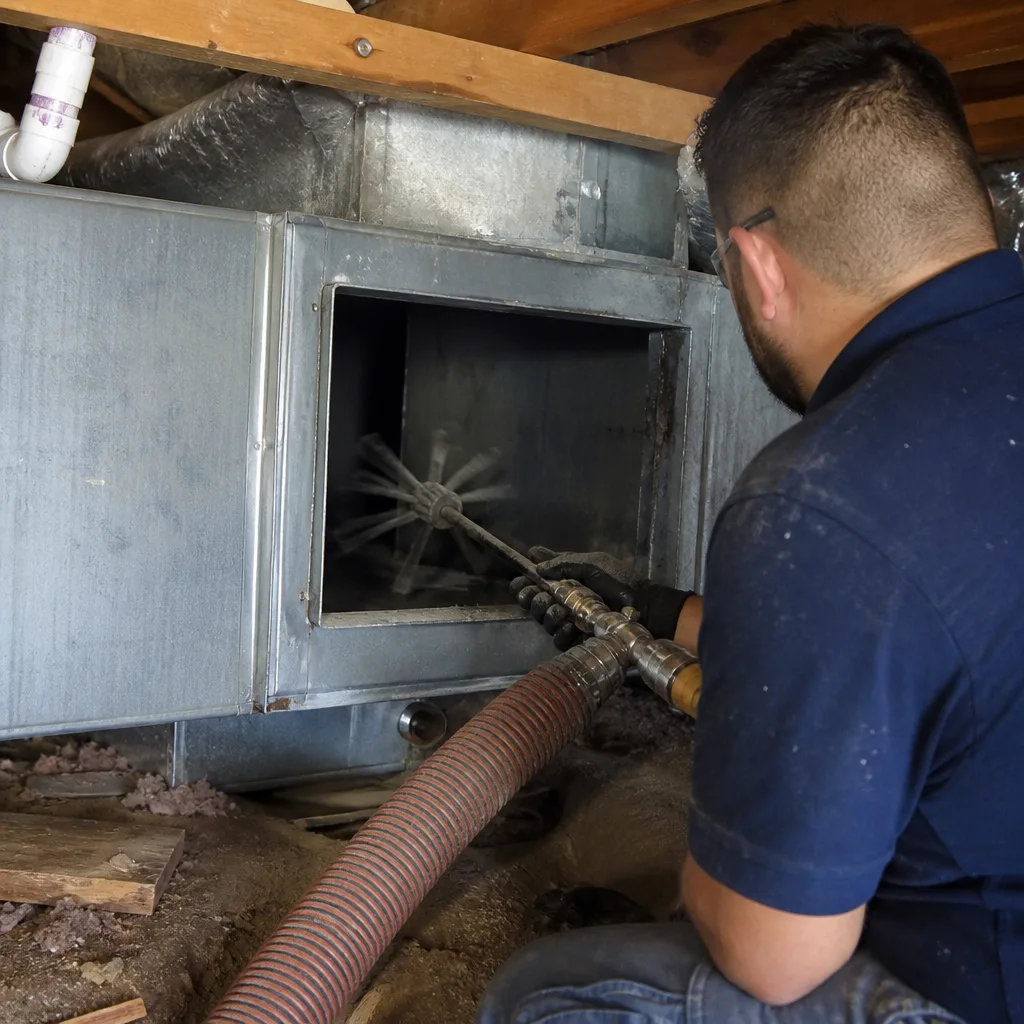
These ranges reflect actual market pricing for professional negative-pressure extraction with rotary brush agitation, covering all duct runs, registers, and the main plenum, delivered by technicians using equipment from trade-recognized manufacturers. Prices assume a single HVAC system with standard attic or crawl-space access.
| Home Size | System Configuration | Fair Price Range | Most Common Price Paid |
|---|---|---|---|
| 1,200-1,600 sq ft | Single system, 8-12 duct runs | $380-$520 | $450 |
| 1,700-2,200 sq ft | Single system, 12-16 duct runs | $480-$680 | $580 |
| 2,300-2,800 sq ft | Single system, 16-22 duct runs | $580-$780 | $660 |
| 2,900-3,500 sq ft | Single or dual system, 20-28 duct runs | $720-$980 | $840 |
Dual-system homes carry a 40-60% premium over single-system pricing because each system requires separate plenum access, separate equipment setup, and separate documented photo records. Homes in Alamo Heights, Terrell Hills, and Olmos Park often fall at the higher end of these ranges due to older duct infrastructure and more complex attic configurations from original construction in the 1930s-1960s.
Neighborhoods developed during San Antonio’s 2005-2015 building boom, such as Stone Oak and Cibolo Canyons, typically have flex duct systems installed with tighter attic clearances. These clean faster but may require more careful handling to avoid dislodging connections. The price impact is neutral to 10% higher, depending on access.
What Drives Legitimate Price Variation in San Antonio Homes
Not every quote variation is suspect. These five factors explain why two San Antonio homes of identical square footage might receive different legitimate prices.
Duct Material Type
San Antonio homes contain three primary duct materials, each with distinct cleaning requirements:
- Sheet metal ducts: Rigid, durable, and common in pre-1990 construction. Rotary brush systems like the Rotobrush travel smoothly through straight runs, but metal ducts with internal fiberglass lining require gentler agitation to avoid releasing fibers. Cleaning time: 3.5-5 hours for a typical system.
- Flex duct: Flexible plastic over wire coil, standard in post-2000 construction. More susceptible to damage from aggressive brushing; requires lower torque settings and careful navigation at elbows. Cleaning time: 2.5-4 hours, but with higher technician attention requirements.
- Duct board: Fiberglass board with foil facing, common in 1990s-2000s construction. The porous surface traps debris and can degrade if oversaturated during cleaning. Requires controlled moisture protocols and extended drying verification. Cleaning time: 4-6 hours, with higher material risk.
In our experience across San Antonio, homes in the 78209 zip code (Alamo Heights, Monte Vista) are more likely to have sheet metal with asbestos-containing insulation on exterior wraps, requiring additional containment protocols. Homes in 78260 and 78261 (Stone Oak, Bulverde area) are predominantly flex duct. Duct board appears most frequently in 78245 and 78253 on the west side, where much construction occurred during the material’s peak use period.
Attic Access Difficulty
San Antonio’s climate creates specific access challenges. Attic temperatures exceed 130°F from June through September, limiting safe work windows and sometimes requiring split-shift scheduling. Low-pitch roofs, common in ranch-style homes throughout the 78228 and 78238 zip codes, create crawl-only access that extends setup and breakdown time by 45-90 minutes. Scuttle holes smaller than 22 by 30 inches require technicians to disassemble equipment components for transport, adding labor without adding cleaning scope.
System Configuration and Contamination Level
A system with 16 duct runs, two return plenums, and a contaminated evaporator coil requires more time than a 12-run system with single-plenum design. The camera doesn’t lie: we’ve documented 3-inch debris build-ups at first elbows in homes near construction zones, particularly along the I-10 corridor where roadwork and new development have elevated ambient particulate for years. Heavy contamination requires repeated passes with the extraction system, extending labor hours without changing the equipment deployed.
Home Age and Code Evolution
San Antonio adopted significant energy code updates in 2009 and 2015 that changed duct sealing standards. Pre-2009 systems often have more leakage points, meaning negative-pressure extraction achieves lower vacuum efficiency and requires longer run times to achieve equivalent debris removal. Post-2015 systems with mastic-sealed joints are tighter but may have more complex zoning configurations that add register count without adding square footage.
Legitimate Travel and Logistics
Companies serving the full metro area, from New Braunfels to Boerne, may structure pricing to reflect fuel and technician time. This is defensible if disclosed. What is not defensible is a “trip charge” or “fuel surcharge” added after arrival, or mileage calculations that don’t correspond to published service area maps.
Legitimate Add-Ons vs. Fabricated Charges
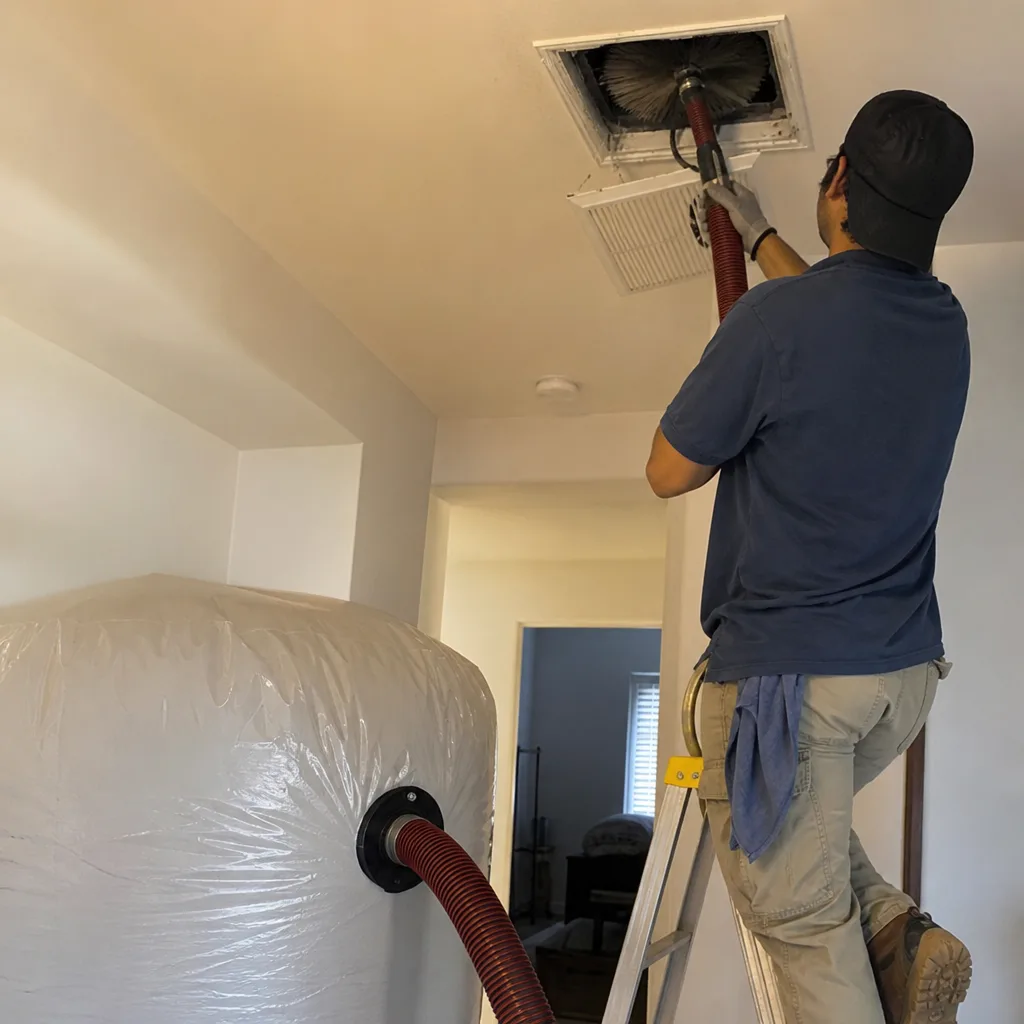
This distinction matters because the $79 model blurs it intentionally. Here is an itemized reference for evaluating charges that appear on a San Antonio air duct cleaning estimate.
Legitimate Add-Ons With Defensible Cost Basis
| Service | What It Involves | Fair San Antonio Range | When It’s Needed |
|---|---|---|---|
| Dryer vent cleaning | Removal of lint accumulation from dryer duct to exterior termination, including booster fan if present | $120-$220 | Annually; immediately if dry times exceed 50 minutes or exterior airflow is weak |
| Evaporator coil cleaning | Access and cleaning of indoor A-coil above furnace or air handler, with fin straightening if needed | $180-$320 | Visible contamination, reduced airflow, or as part of system restoration after filter neglect |
| Sanitizer application | EPA-registered antimicrobial applied to duct surfaces post-cleaning, with dwell time verification | $80-$150 | Must follow, not replace, physical debris removal; verify product registration number |
| Register/grille replacement | Supply of new stamped or cast registers when existing units are damaged or painted shut | $15-$45 per unit | When existing registers cannot be removed without damage or don’t close properly |
| Duct sealing (aeroseal or mastic) | Sealing of accessible leaks in duct joints and connections, measured by pre/post pressure test | $450-$1,200 | When duct leakage testing shows >15% loss; often paired with cleaning in older San Antonio homes |
Fabricated Charges With No Defensible Basis
- “Decontamination fee” or “biohazard surcharge”: Applied after visual inspection of ordinary household dust. No EPA or industry standard defines residential duct debris as biohazardous.
- “Main line” or “trunk line” add-on: The main trunk is part of the duct system. Separating it from “vent cleaning” is arbitrary scope reduction designed to create a mandatory upsell.
- “Return side” vs. “supply side” splitting: A complete cleaning addresses both. Charging separately for return ducts, which typically represent 20-30% of system length, is scope manipulation.
- “Heavy debris” or “construction cleanup” premium: Unless the home has undergone recent renovation with documented drywall or concrete dust intrusion, standard household debris is the baseline assumption of the service.
- “Equipment fee” or “hose rental”: The equipment is the company’s cost of doing business, not a pass-through to the customer.
At CleanRun Air Duct Cleaning San Antonio home, we publish these ranges because Haven Standard Clause 1 requires a written price before any work starts. The price we write is the price you pay. If we encounter a condition that would change scope, we stop, document it with the camera, and present a revised written price before proceeding. No work continues on verbal authorization.
How to Get a Written Price Before Booking
The sentence that separates accountable contractors from those that aren’t is this: “Will you put the total price in writing before your technician arrives, with no additional charges possible without a second written authorization?”
Companies that operate transparently will answer yes and describe their process. Companies that don’t will deflect. Common deflections include:
- “We need to see it first” - true for scope assessment, not for pricing methodology. A written estimate with stated assumptions protects both parties.
- “Our technician will review everything on site” - which means the price is determined after you’re invested in the appointment.
- “We can’t quote without knowing your duct count” - a legitimate data point that can be gathered by phone or from public records in most cases.
- “Everyone’s system is different” - true, but not an obstacle to published pricing with defined variables.
Here’s the specific language to use when calling any San Antonio air duct cleaning company:
- “I need a written estimate for complete air duct cleaning of [square footage] home with [single/dual] system, [number of registers if known], located in [neighborhood or zip code].”
- “Please include: all duct runs, main plenum, all registers, and before/after documentation.”
- “Will this written price be the maximum I could pay for that scope, with any additional services requiring a second written estimate?”
- “What is your policy if I decline add-ons presented after work begins?”
If a company cannot answer question 3 with a clear yes, you are not receiving a price. You are receiving an opening offer in a negotiation you didn’t choose to enter.
CleanRun’s Free Second Opinion on Any Written Estimate exists for exactly this scenario. Bring a competitor’s written quote; we put our number next to it, with line-item transparency, at no cost. The comparison itself is often instructive.
What Your Documentation Should Include
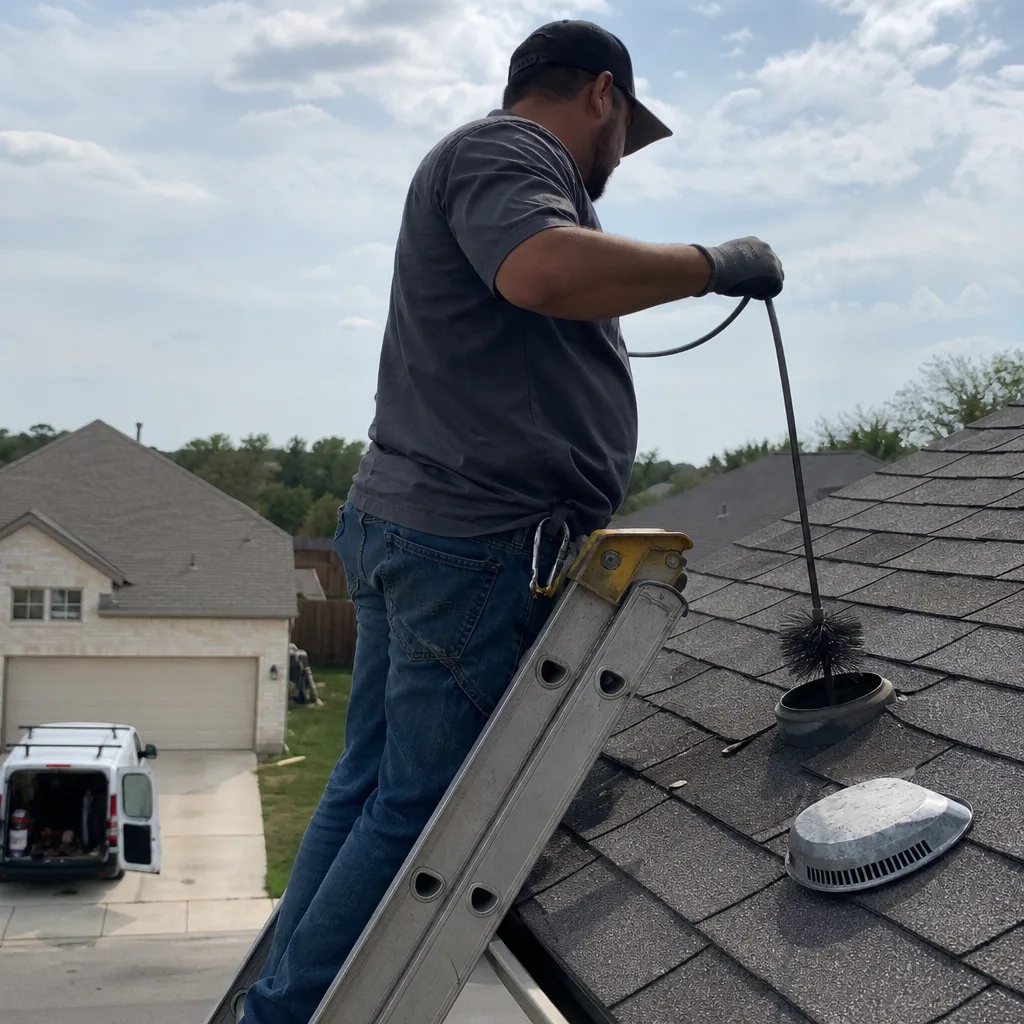
The deliverables from a professional air duct cleaning should create a record you can reference, share with an HVAC service company, or use in a home sale disclosure. At minimum, your documentation should include:
- Written scope of work: Specific register count, duct run count, plenum access points, and equipment used. Not “cleaned all vents” - “cleaned 14 supply runs, 3 return runs, main plenum, and 17 registers using negative-pressure extraction with rotary brush agitation.”
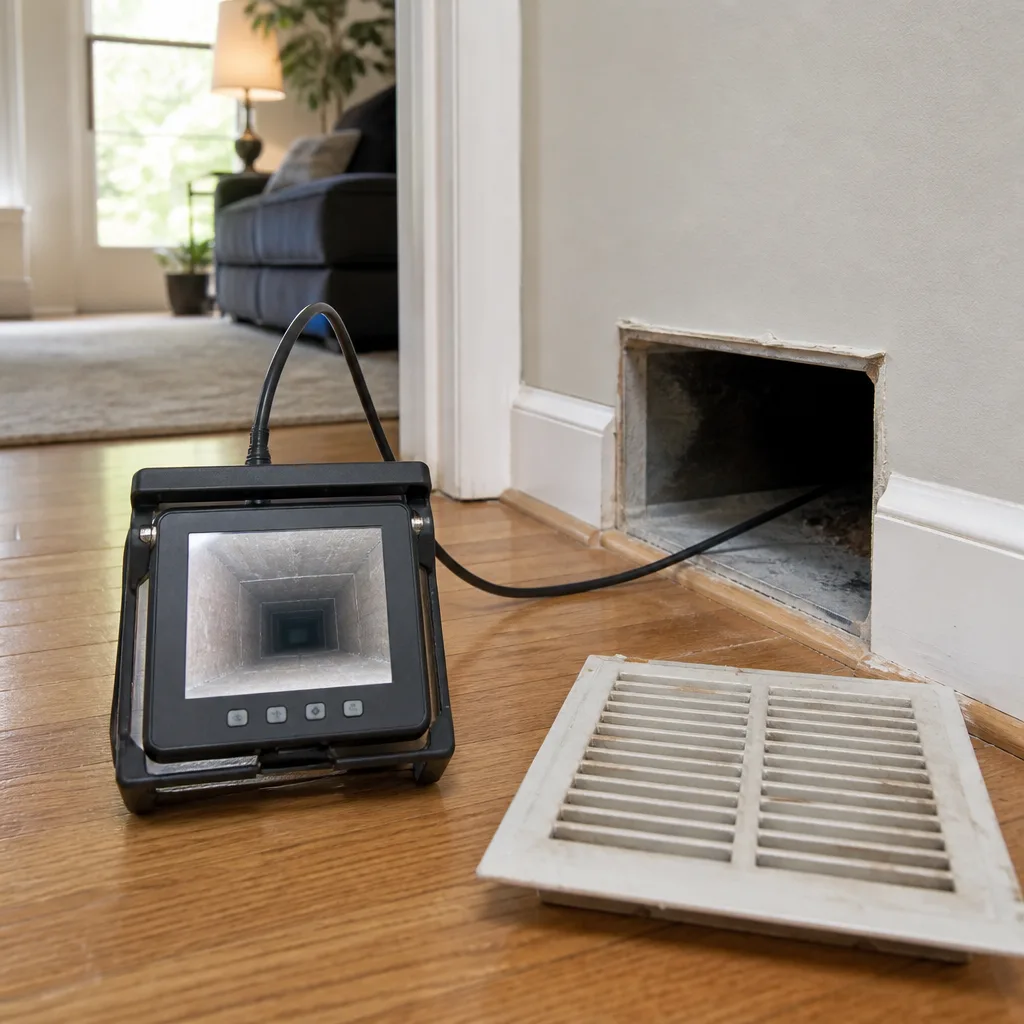
- Before-and-after photo record: Interior of every duct run, not a representative sample. The photo should include a timestamp and identifiable location (e.g., “Master bedroom supply, second elbow”).
- Written warranty or guarantee: Specific terms, duration, and process for claiming. Not “satisfaction guaranteed” - “365-Day Done Right Promise: if work is not right, we make it right, documented in writing on every job.”
- Equipment log: Brands and model numbers of cleaning equipment used. This allows verification that professional-grade tools were deployed, not shop vacuums or consumer-grade units.
Since 2013, CleanRun has delivered a Documented Photo Record on Every Visit as a standard deliverable, not an upgrade. The inside of every duct run is photographed before and after. Customers receive these images as part of the job record, with timestamps and location labels. This practice originated with our first job and continues because it is the only verifiable proof that work occurred inside the ducts, not just at the registers.
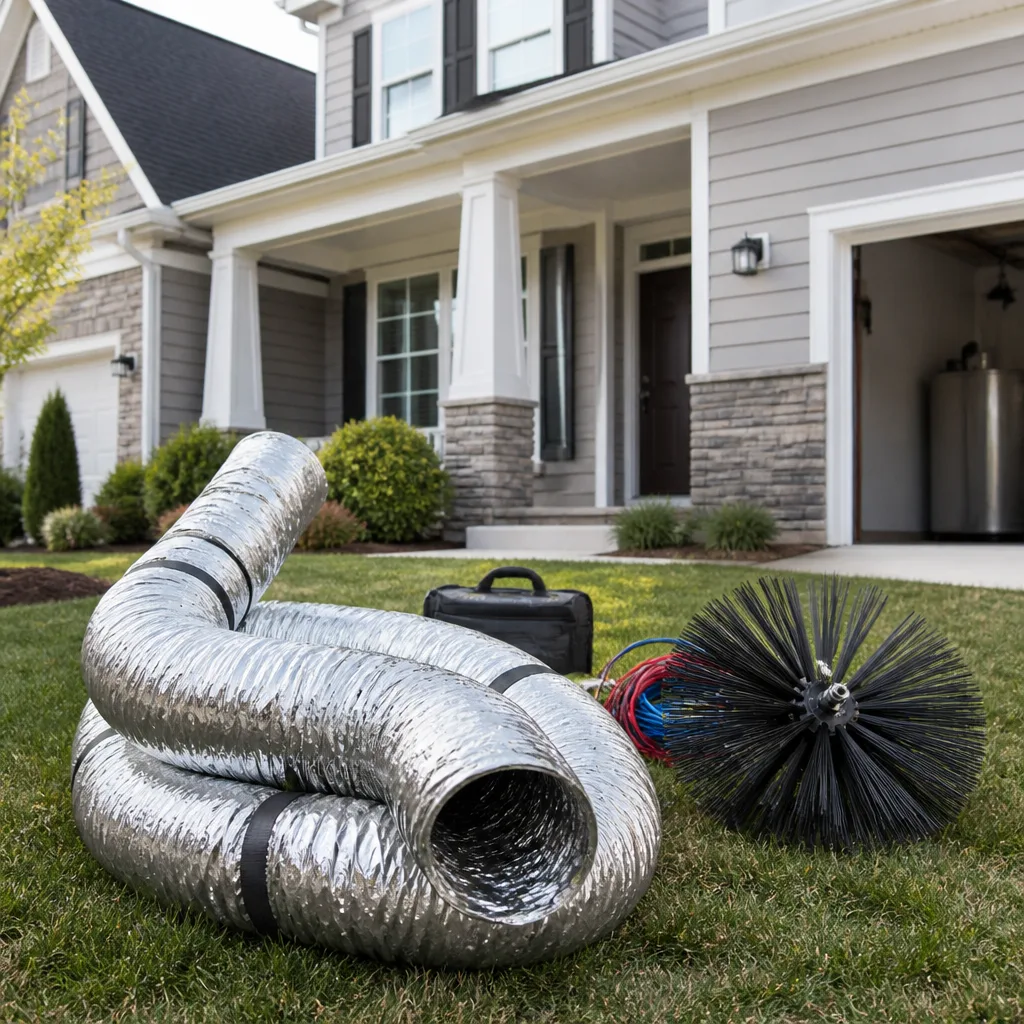
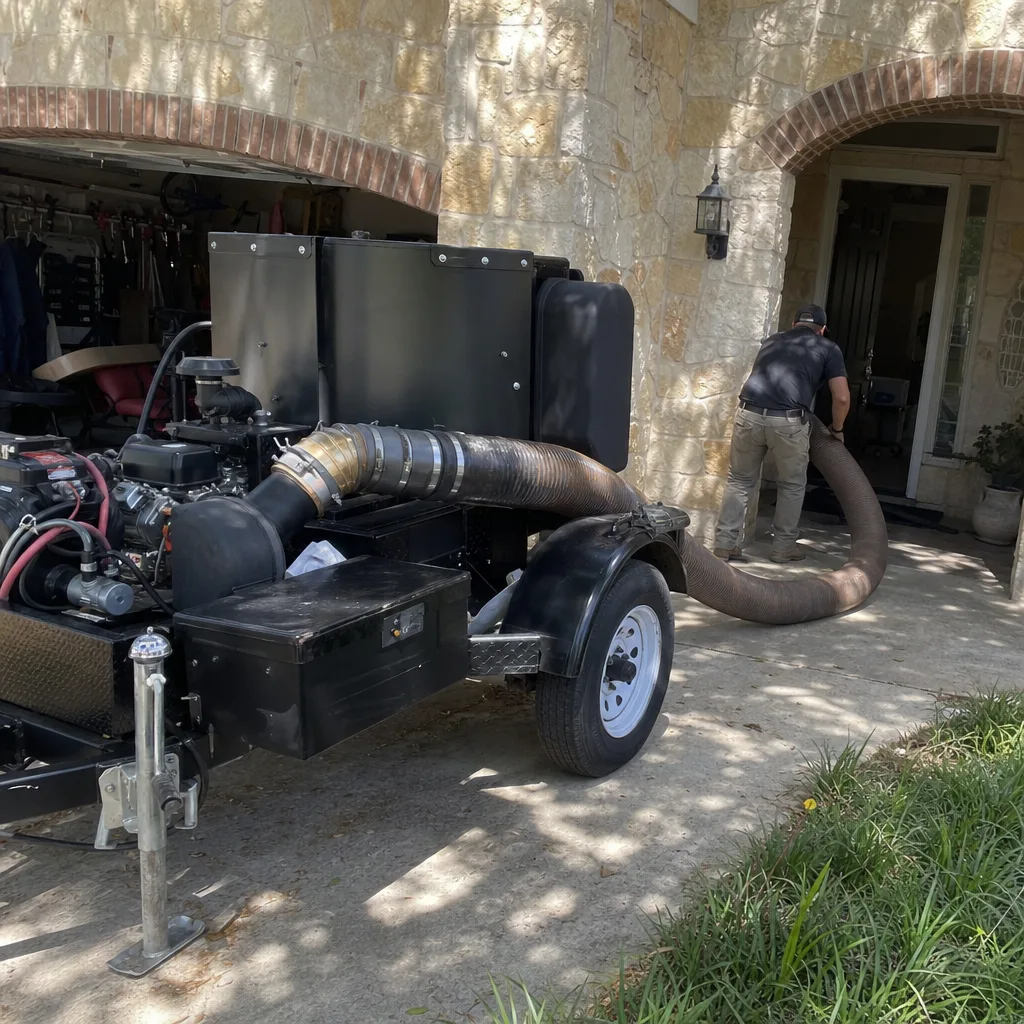
Equipment we deploy includes Rotobrush rotary brush systems, Nikro negative-pressure extractors, and Honeywell media filtration for containment verification. These are trade-recognized brands customers can research independently; we name them because Haven Standard Clause 2, Transparent Methods, requires methods that withstand scrutiny.
Common Mistakes to Avoid
- Booking based on the lowest advertised price without verifying scope. The $79 coupon is not a price; it’s an entry point. Verify what “vent” means (register only, or the duct behind it?), what equipment is used, and whether the main plenum is included.
- Accepting verbal pricing over the phone. A verbal “around $400” becomes $647 on the invoice with no recourse. Written estimates before arrival are enforceable; verbal estimates are not.
- Ignoring San Antonio’s specific climate factors. Our extended cooling season means filters load faster and evaporator coils stay wet longer, increasing microbial risk. A cleaning quote that doesn’t account for coil condition is incomplete.
- Paying for sanitizer without verifying physical cleaning occurred. Chemical application on top of debris is ineffective and potentially harmful. Sanitizer follows extraction; it never replaces it.
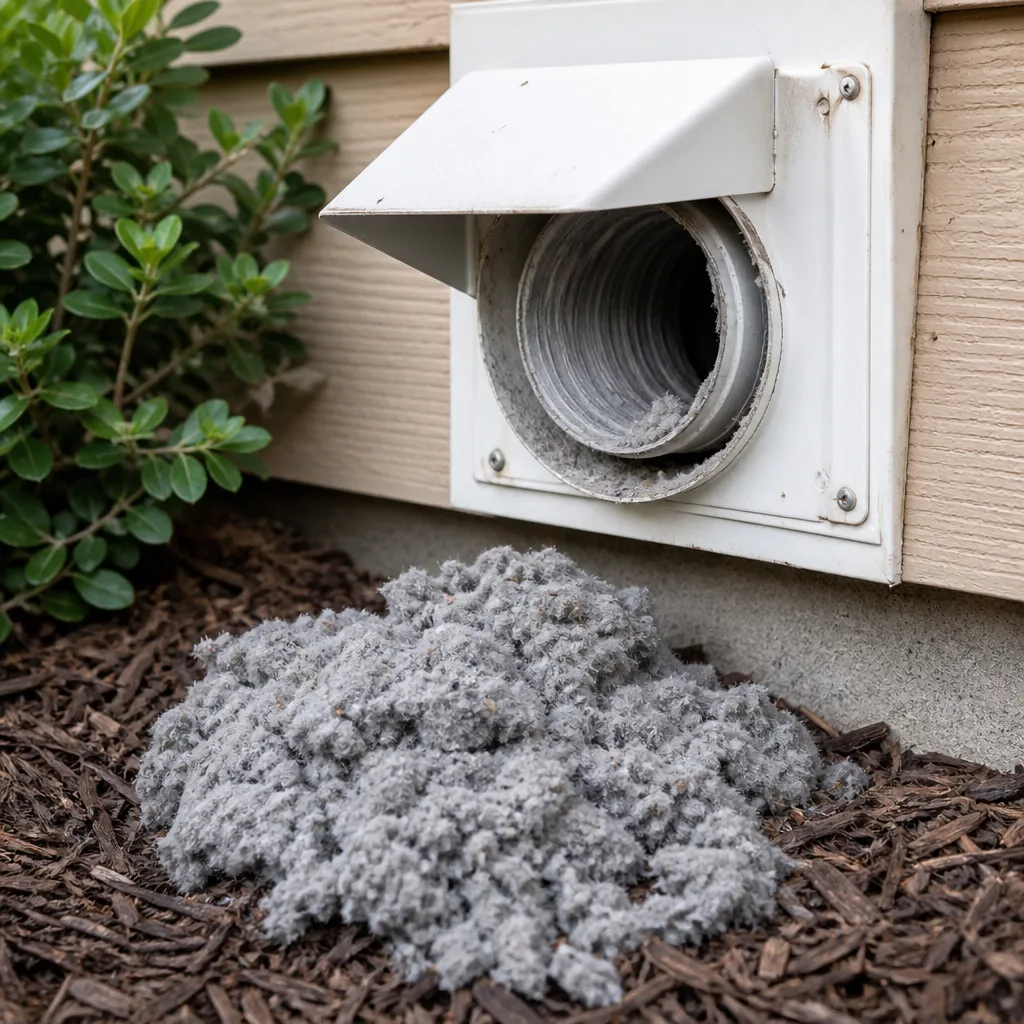
- Neglecting dryer vent cleaning as part of scope. In San Antonio’s hard-water areas, lint combines with mineral dust to form dense blockages. Dryer vent cleaning is a separate service with separate pricing, but it’s often the most fire-critical component of the appointment.
- Not requesting equipment documentation. A shop vacuum with a long hose is not a duct cleaning system. Professional negative-pressure extraction requires HEPA filtration, controlled airflow, and brush agitation designed for duct dimensions.
- Failing to check for the BBB pattern. The Better Business Bureau profile for San Antonio air duct cleaners with persistent complaint patterns often shows the same language: “advertised price not honored,” “additional charges not disclosed,” “work not performed as described.” This pattern is visible before you call.
When to Call a Professional
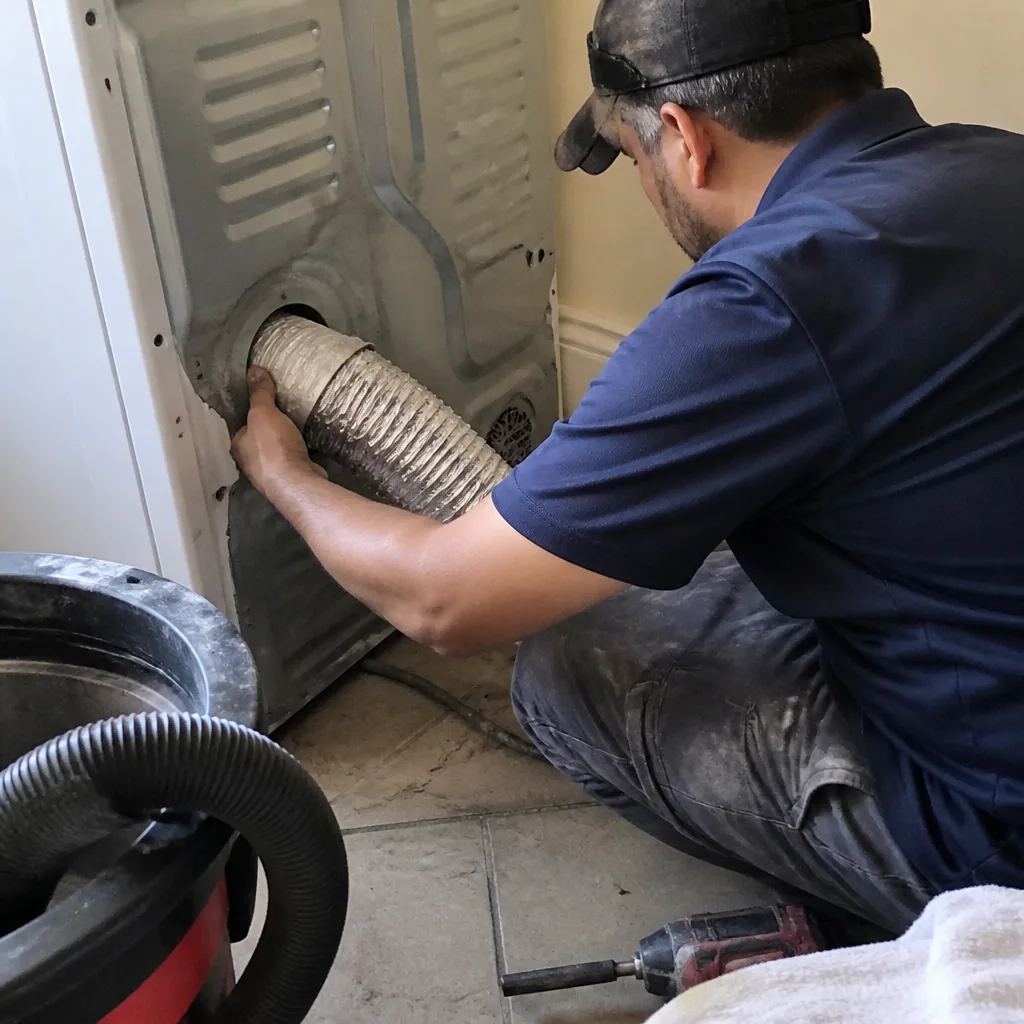
Call for a professional assessment when you notice visible dust emission from registers, persistent musty odors when the system cycles, uneven heating or cooling between rooms, or increased allergy symptoms that correlate with system runtime. After home renovation with drywall or concrete work, schedule cleaning before system restart to prevent permanent embedding of construction debris in duct lining.
Homes in San Antonio’s 78249 and 78250 zip codes, near active limestone quarry operations, experience elevated fine particulate that accelerates duct contamination. Similarly, properties along Loop 1604 construction corridors should consider more frequent inspection intervals.
CleanRun Air Duct Cleaning San Antonio offers free estimates in San Antonio. Every estimate is delivered in writing before any work begins, with no exceptions. Call (726) 600-7155 to schedule.
Frequently Asked Questions
For a typical single-system home, professional air duct cleaning in San Antonio ranges from $380 to $780 in 2026, with most homeowners paying between $480 and $620 for complete service including all duct runs, registers, and the main plenum. Dual-system homes or those with difficult attic access fall at the higher end. Call (726) 600-7155 for a written estimate specific to your home.
The lowest quotes typically reflect partial scope (registers only, not ducts), consumer-grade equipment, or a deliberate upsell model where the advertised price bears no relationship to the final invoice. A legitimate quote below $300 for whole-home service is unsustainable given labor hours, equipment costs, and proper disposal fees. The difference between a $79 coupon and a $580 professional cleaning is not markup; it’s the difference between vacuuming a register and cleaning a system.
Require a before-and-after photo record of the interior of every duct run, with timestamps and location labels. Visual inspection of registers alone proves nothing; debris accumulates in elbows and horizontal runs where cameras, not eyes, can reach. At CleanRun, the Documented Photo Record is standard on every visit, delivered to the customer as part of the job record. If a company cannot or will not provide this, the work is unverifiable.
For most San Antonio homes, every 3 to 5 years under normal occupancy and filter maintenance. Homes with pets, smokers, or residents with respiratory conditions may benefit from 2- to 3-year intervals. Post-renovation cleaning should occur immediately. The extended cooling season in San Antonio means systems run 8-10 months annually, accelerating particulate accumulation compared to milder climates. Visual inspection every two years is prudent; cleaning frequency follows what the inspection reveals.
Sanitizer is worth the cost only when applied after thorough physical debris removal, using an EPA-registered product with a verified registration number, and when specific microbial concerns exist (water intrusion history, visible mold staining, or post-remediation verification). Sanitizer applied to dirty ducts is ineffective; the debris acts as a shield, and the chemical may aerosolize contaminants rather than neutralize them. The $80-$150 range is fair for proper application; charges above $200 warrant scrutiny.
Air duct cleaning addresses the distribution network: duct runs, plenum, and registers. HVAC Cleaning in San Antonio extends to the mechanical components: evaporator coil, blower assembly, and sometimes the condensate drain pan. These are distinct services with distinct pricing, though they’re often scheduled together. A dirty coil will recontaminate clean ducts within weeks, so combined service is frequently the more durable investment. CleanRun offers both, with bundled written pricing when scope warrants.
Yes, if the dryer vent hasn’t been cleaned within 12 months. The service shares trip logistics and often reveals related airflow problems. Dryer Vent Cleaning in San Antonio typically adds $120-$220 to the total invoice when bundled, versus $150-$280 as a standalone appointment. Given that lint accumulation is the leading cause of residential dryer fires, this is frequently the highest-ROI add-on on the estimate. CleanRun documents dryer vent condition with the same photo record standard applied to ductwork.
Ask for brand names and model numbers before booking, then verify independently. Trade-recognized manufacturers in this category include Rotobrush, Nikro, Abatement Technologies, and Honeywell. Consumer-grade shop vacuums, even with long hoses, lack the controlled negative pressure and HEPA containment required for safe, effective duct cleaning. A contractor who cannot or will not name their equipment is not operating transparently. CleanRun publishes its equipment roster because Haven Standard Clause 2 requires methods that withstand independent verification.
The Bottom Line
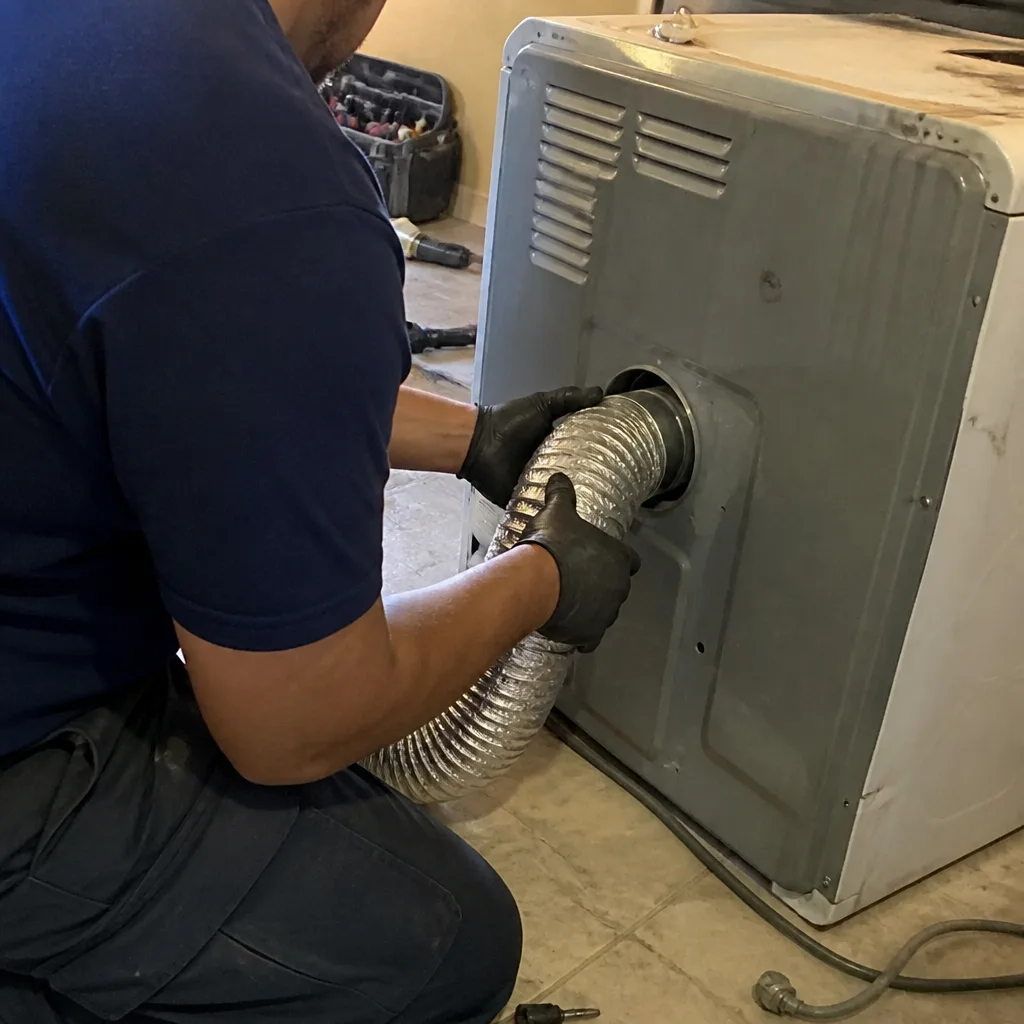
Air duct cleaning pricing in San Antonio doesn’t have to be opaque. The fair 2026 range for a single-system home is $380-$780, with most homeowners paying $480-$620 for complete service. Prices below $300 warrant scrutiny; prices above $800 should be justified by specific, itemized scope. The $79 coupon model is structurally designed to produce invoices 5-8 times higher than advertised, through staged upsells introduced after work begins. Protect yourself by requiring a written price before booking, verifying that price covers all duct runs and the main plenum, and demanding a documented photo record as proof of work. These three requirements eliminate most deceptive operators and leave you comparing legitimate providers on legitimate merits. For more guides & resources, explore our blog.
Written by Tomas Reyes, Owner at CleanRun Air Duct Cleaning San Antonio, serving San Antonio since 2013.