
Last updated September 23, 2026
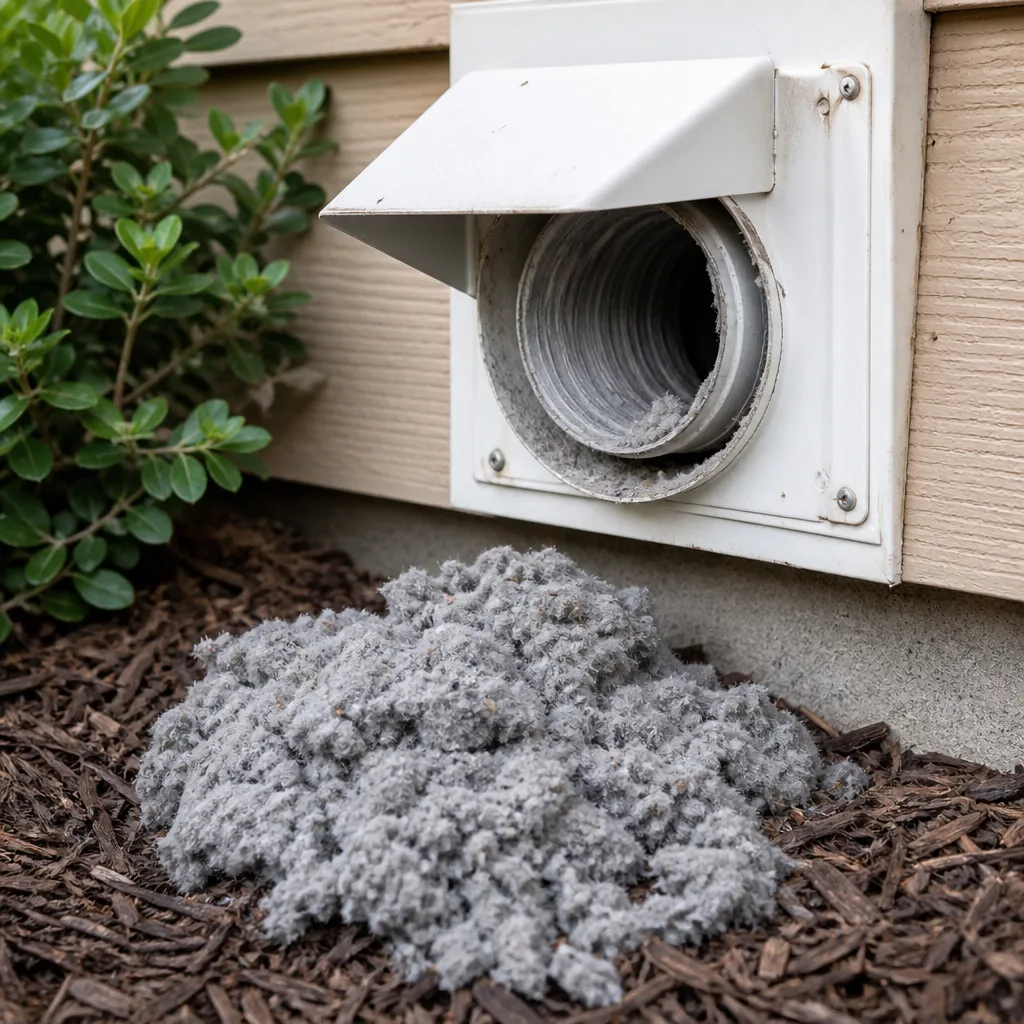
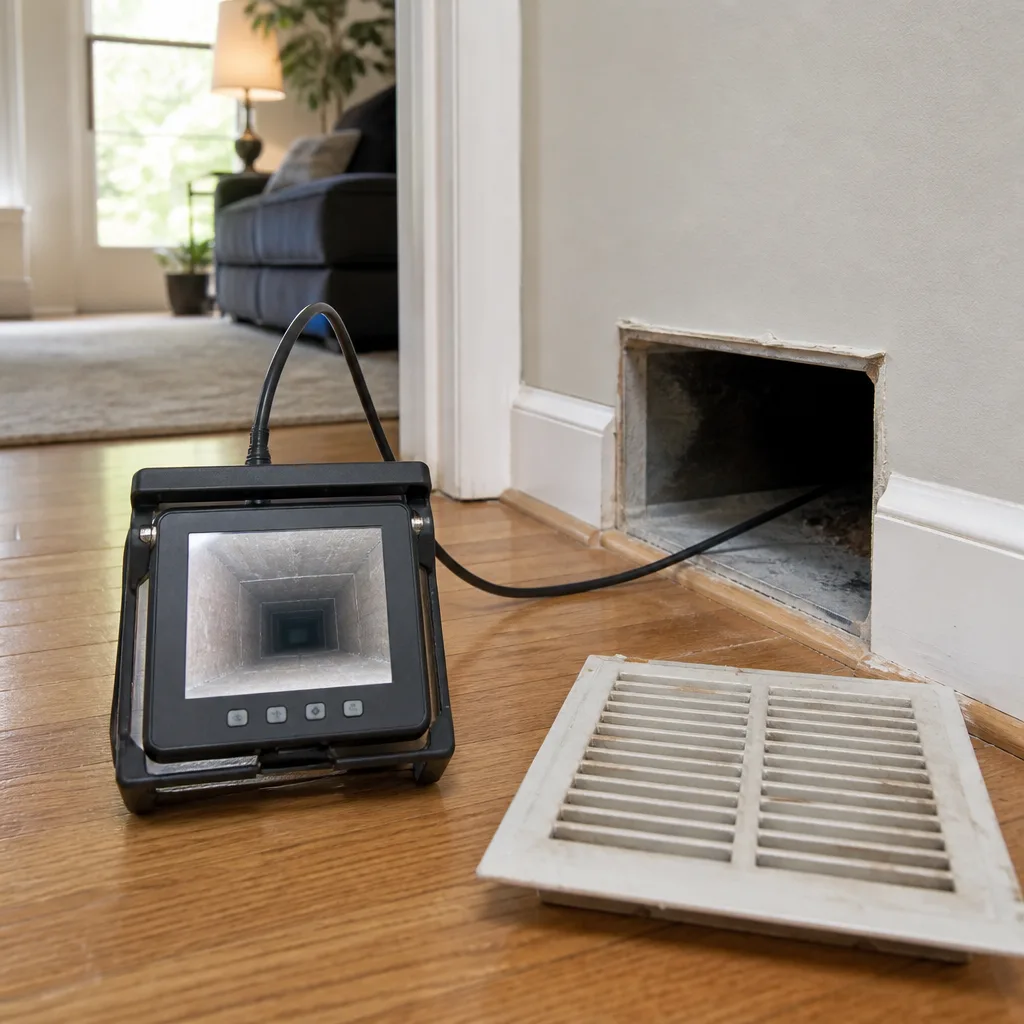
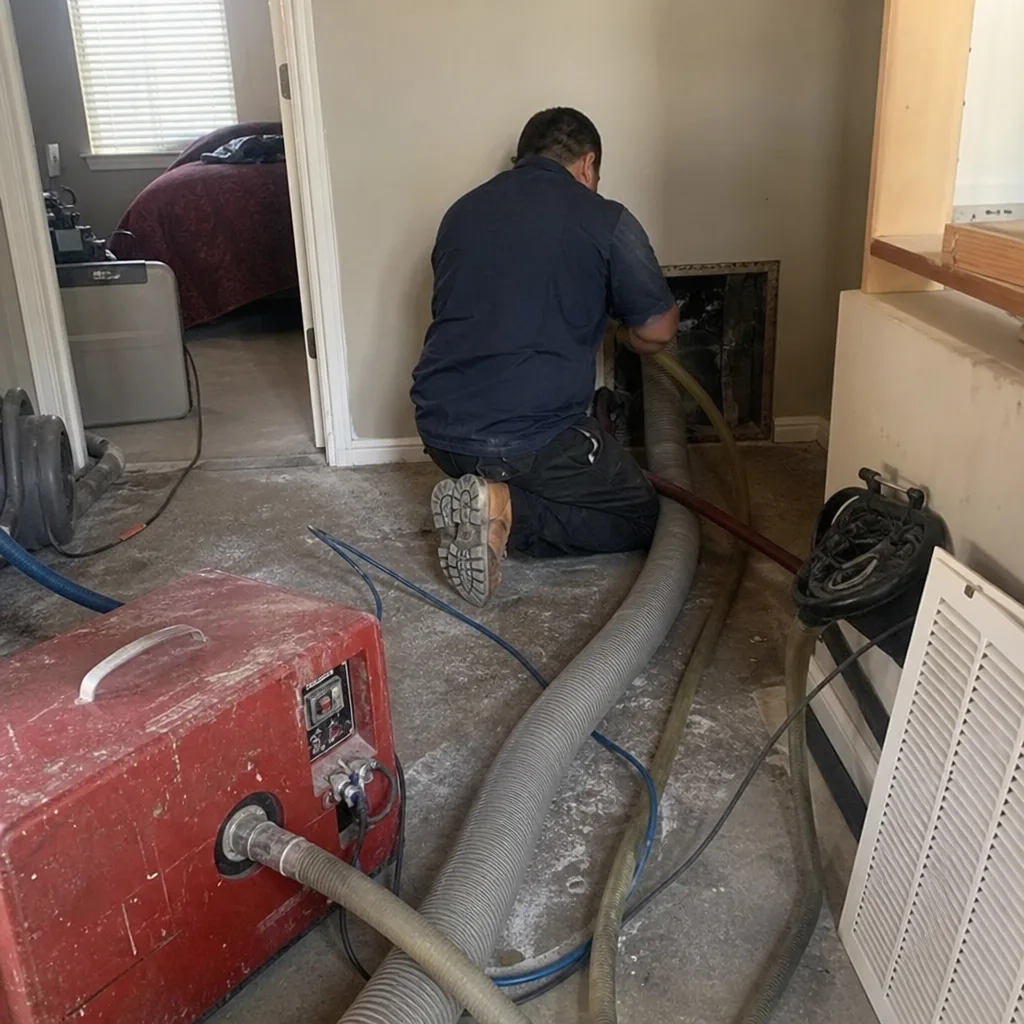
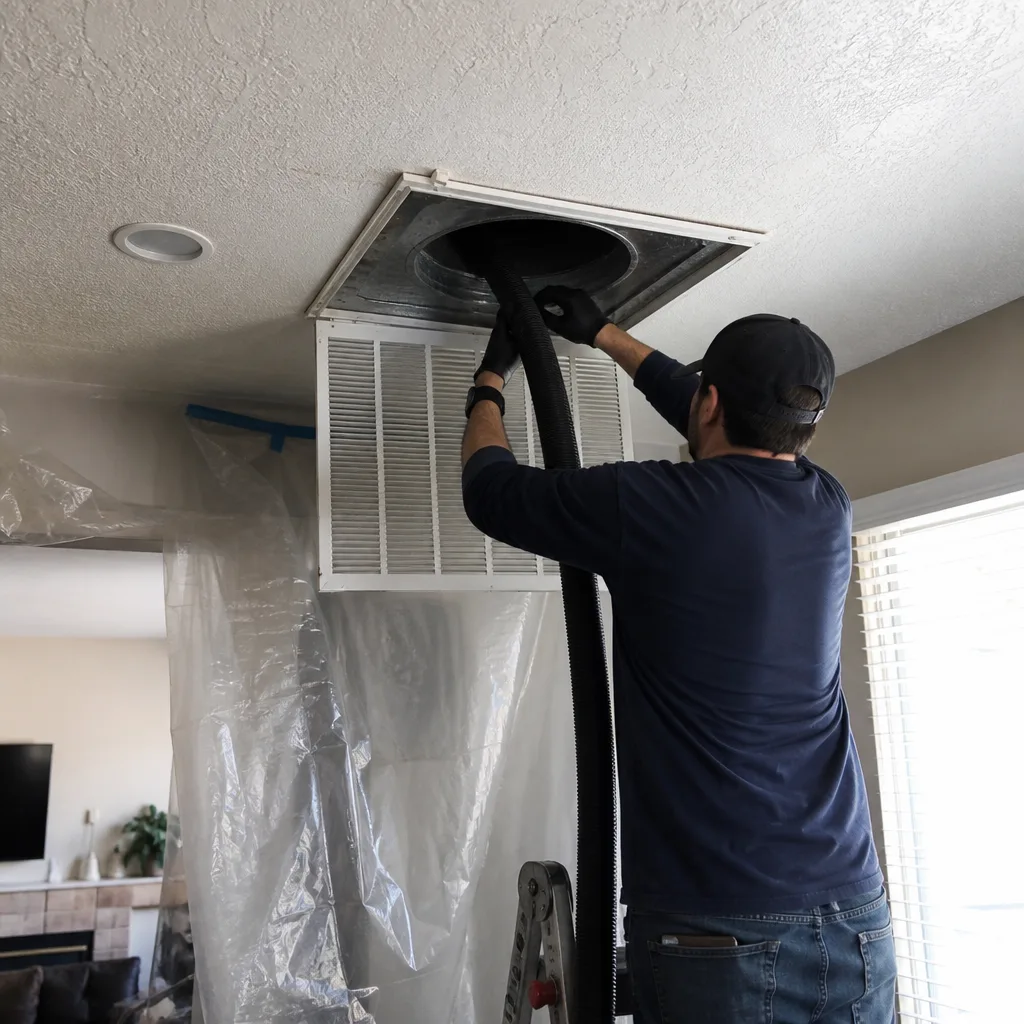
Whole-system duct and dryer vent check with before-and-after photos - you see exactly what came out of your vents
That "$99 whole-house special" is a bait ad - the real number appears once they are in your hallway, or the "clean" is a shop-vac at the register. We photograph the inside of your ducts before and after instead.


 Before
 After
After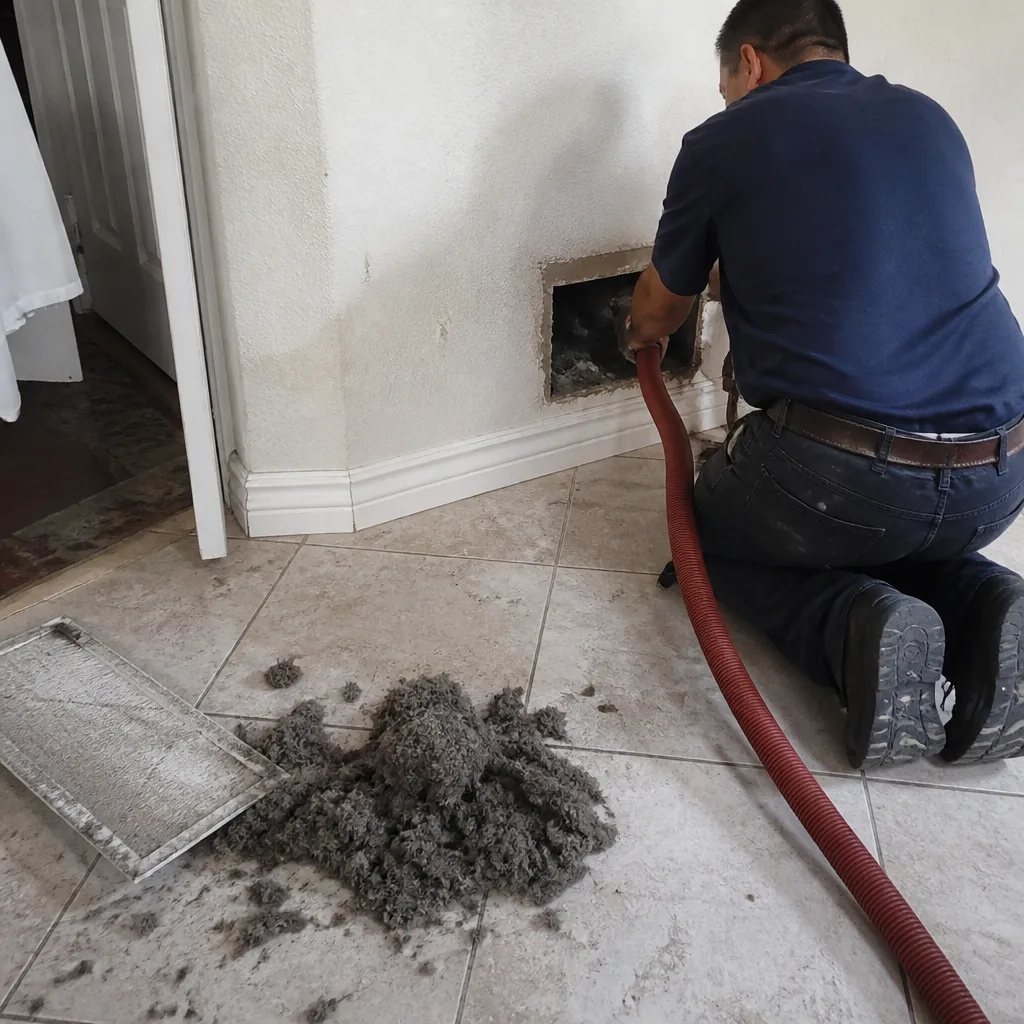 Before
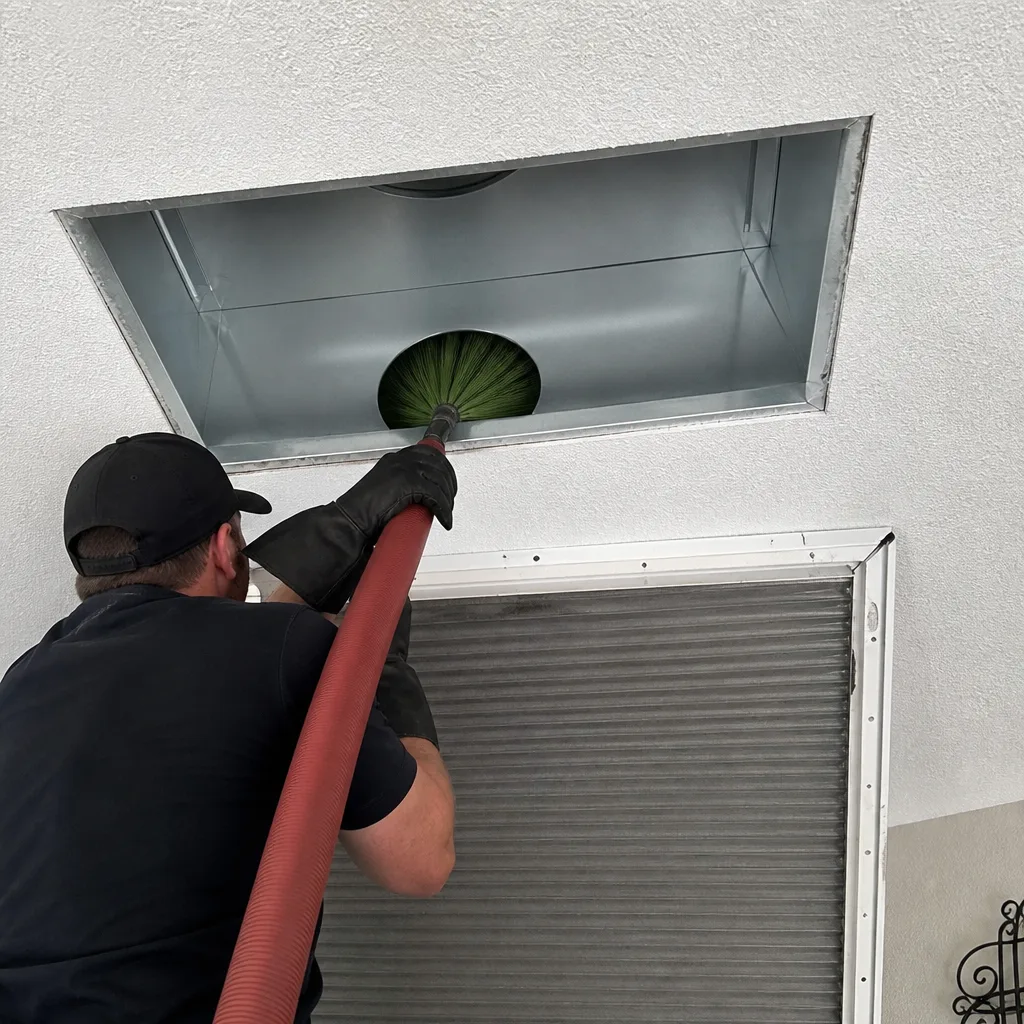 After
After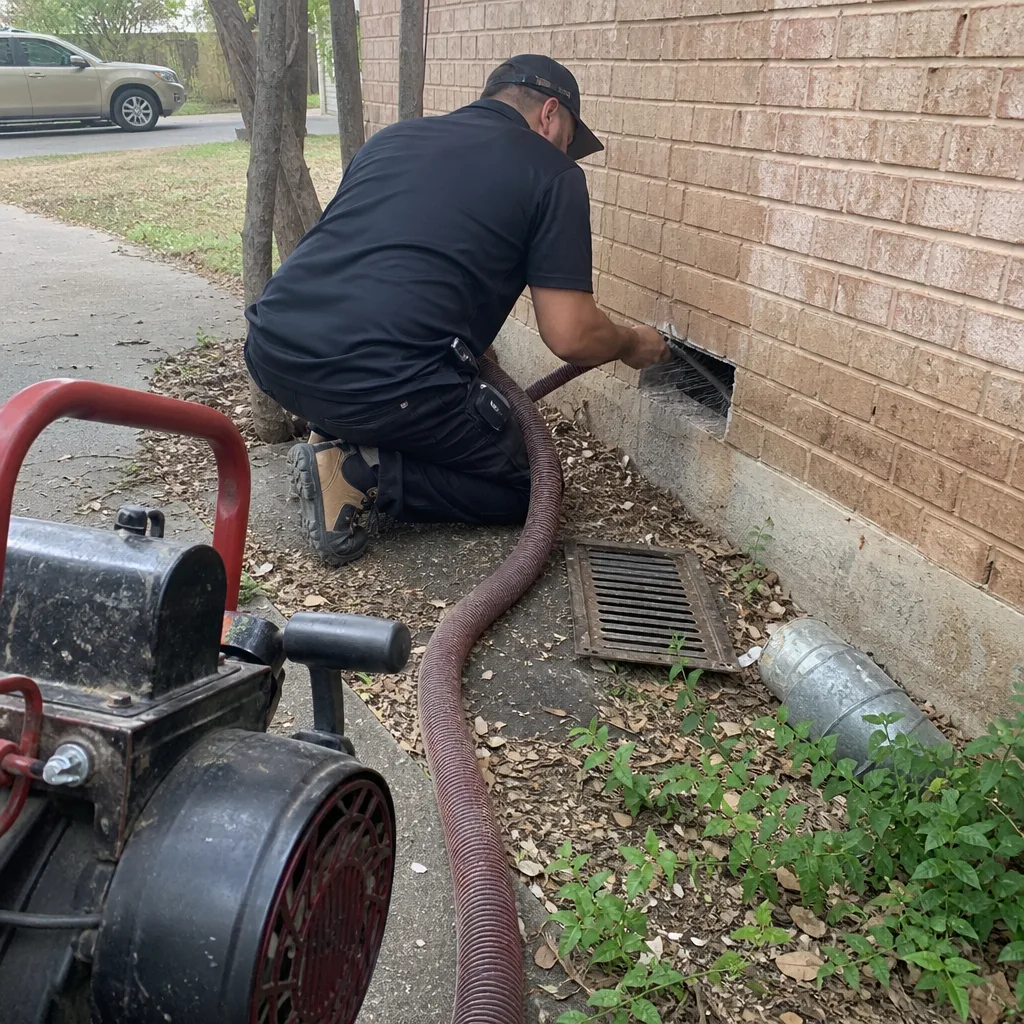 Before
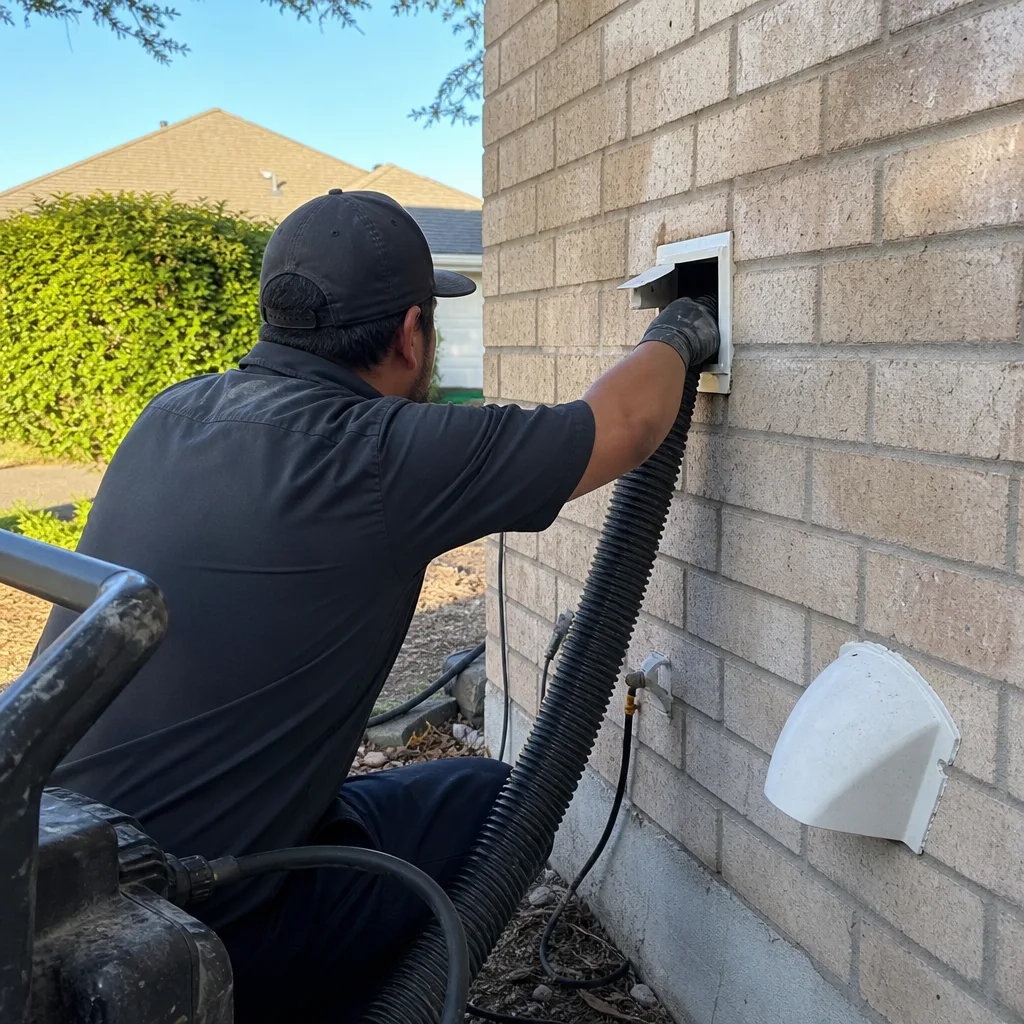 After
AfterAir Duct Cleaning Warning Signs: A San Antonio Homeowner’s Reference Guide
Most guides tell you that dust on your furniture means you need your ducts cleaned. That advice costs San Antonio homeowners money twice: once for the wrong service, and again for the right one. In our work across the city since 2013, we’ve documented that a musty smell from vents alone has four distinct mechanical causes, only one of which responds to cleaning alone. The others require repair, drainage correction, or mold protocol before any ductwork proceeds. This guide maps eight observable warning signs to their actual mechanical causes inside your ductwork, shows you how to distinguish a cleaning problem from a repair problem, and explains what slab foundation homes in San Antonio show differently than pier-and-beam construction. For a deeper dive, see The Complete Guide to Air Duct Cleaning in San Antonio. You’ll learn to photograph and describe what you see so any contractor you call has to address evidence, not sell a package.
Quick Answer
Air duct cleaning warning signs in San Antonio fall into three categories: debris accumulation (visible dust at registers, filters clogging in under 60 days), airflow problems (uneven room temperatures, whistling or reduced flow), and moisture-related issues (condensation at vents, musty odors, visible mold). Not all require cleaning; some indicate duct leakage, disconnected runs, or HVAC drainage failures that cleaning alone will not fix. The correct response depends on matching the symptom to its mechanical cause before any work is quoted.
Table of Contents
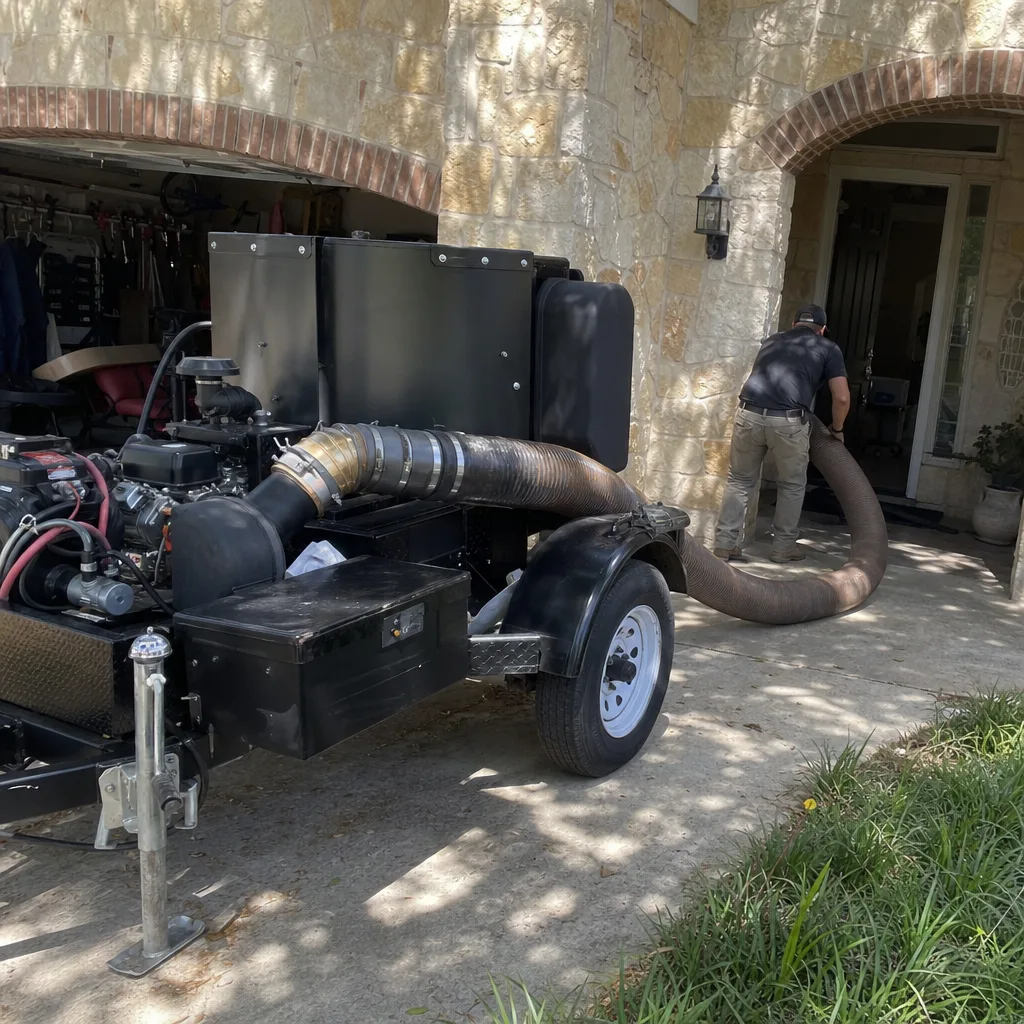
- Visible Debris and Filter Loading: When Cleaning Is the Right Call
- Musty Smells and Odor Diagnosis: Four Causes, Four Different Fixes
- Uneven Temperatures and Airflow Changes: Repair vs. Cleaning
- Rising Utility Bills: The Hidden Cost of Duct Leakage
- Condensation at Vents and Moisture Intrusion
- Visible Exterior Duct Damage: What You Can See from Outside
- San Antonio-Specific Warning Signs: Foundation Type and Neighborhood Patterns
- How to Document Your Baseline Before Calling Any Contractor
BeforeAfterVisible Debris and Filter Loading: When Cleaning Is the Right Call
The most straightforward warning sign is also the most commonly misread. Visible dust and debris collecting on register fins, or a return air filter loading with particulate in under 60 days, indicates that particulate is circulating through your system faster than your filtration can capture it. In San Antonio, where caliche dust from construction and pollen from live oak and mountain cedar seasons compound the load, this happens faster than in many U.S. markets.
But “dirty” is not a single condition. In our documented photo records from homes in Terrell Hills and Alamo Heights, we’ve identified three distinct debris patterns that point to different root causes:
- Uniform gray dust at supply registers: This is typically general household particulate that has bypassed filtration. The fix is usually cleaning plus filter upgrade. We often recommend a Honeywell or Aprilaire media filter with a MERV rating appropriate to the system’s airflow capacity.
- Dark, greasy accumulation with hair and fiber: This pattern indicates return air leakage pulling attic or crawl space air into the system. Cleaning helps, but sealing the return plenum and duct connections is the permanent fix. Without it, the debris returns within one cooling season.
- Construction debris (drywall dust, wood fiber, insulation fragments): Common in homes built 2015-2020 in Stone Oak and Cibolo Canyons. This requires aggressive negative-pressure extraction using equipment like Rotobrush or Abatement Technologies systems, followed by filter replacement and coil inspection.
Filter loading speed is a quantitative indicator. A standard 1-inch pleated filter in a 2,000-square-foot San Antonio home should last 90 days during moderate use. If you’re replacing monthly, something is feeding debris into the system. Check the return air path first: the grille, the filter rack, and the return plenum (the sheet-metal box that connects your return duct to the furnace or air handler) for gaps or disconnected joints.
One caution: some contractors sell duct cleaning for filter loading when the actual problem is an undersized return duct. Adding return capacity is a repair, not a cleaning, and no amount of vacuuming will fix it. At CleanRun, we photograph the return path during our initial Air Duct Cleaning inspection so the homeowner sees whether the issue is debris accumulation or duct design.
Musty Smells and Odor Diagnosis: Four Causes, Four Different Fixes
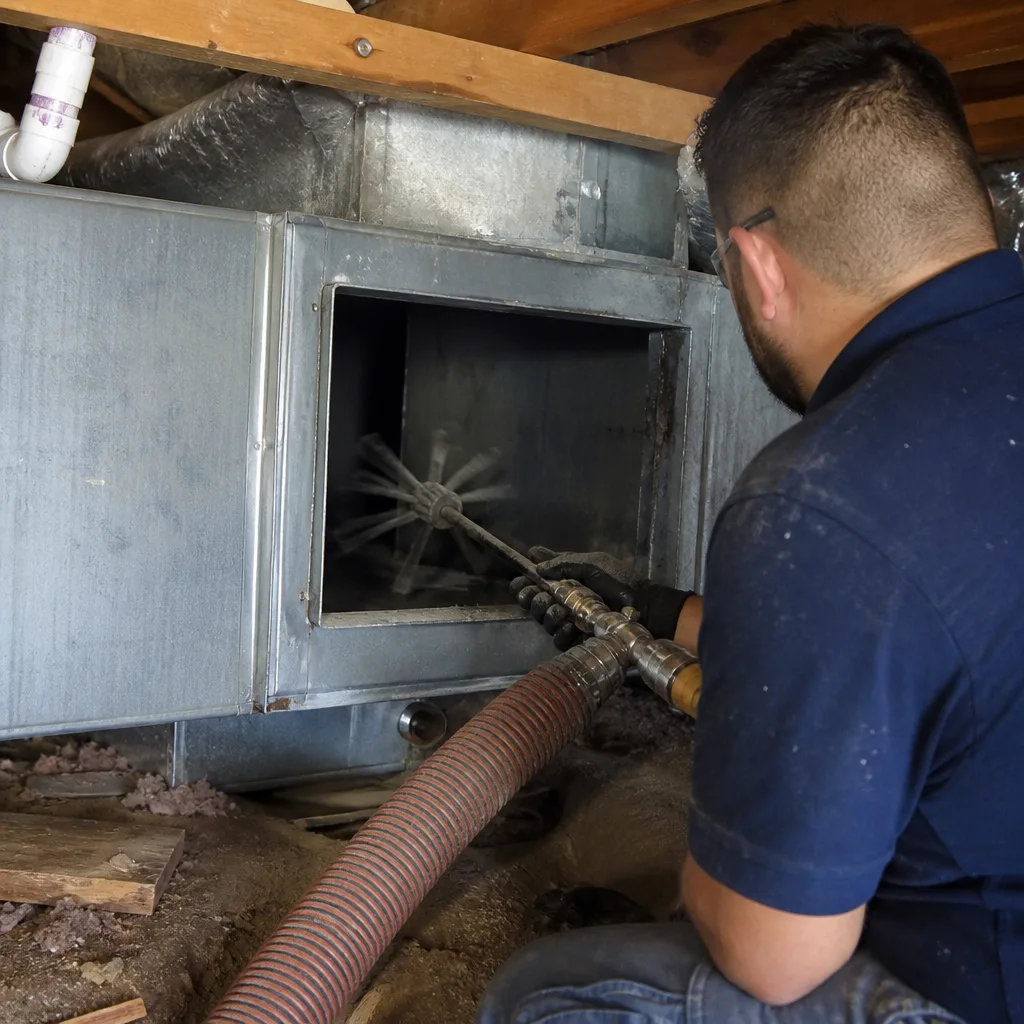
A musty smell from vents is the warning sign most likely to trigger a wrong service call. Homeowners smell mold, fear mold, and call for duct cleaning. Sometimes that’s correct. Often it is not. Here is how to distinguish the four common causes without professional equipment, and what each requires.
Cause 1: Organic Debris in the Ductwork
This produces a damp, earthy odor that intensifies when the system first starts and then fades as air circulates. The source is typically accumulated dust, skin cells, and pet dander that has absorbed humidity and begun slow organic breakdown. It smells like old library books or a closed closet.
Test: Remove a supply register and shine a flashlight into the duct. If you see debris buildup on the duct floor or clinging to the walls, and the odor intensifies at the opening, this is likely your cause.
Fix: Professional duct cleaning with negative-pressure extraction and mechanical agitation. The odor should resolve within 48 hours of cleaning.
Cause 2: Active Mold Growth on Duct Liner or Coils
Mold odor is sharper and more persistent than organic debris odor. It does not fade after the system runs. It may trigger headaches or respiratory irritation in sensitive individuals. In San Antonio’s cooling-dominant climate, mold growth on the evaporator coil or in the supply plenum is common when condensate drainage is slow or incomplete.
Test: You cannot safely distinguish mold from debris without sampling. Texas law requires a licensed mold assessor to evaluate and document mold conditions before remediation work begins. Any contractor who offers to “treat” or “clean” visible mold without this assessment is operating outside state requirements.
Fix: Mold assessment first. If confirmed, remediation protocol including source removal, not just chemical treatment. Duct cleaning follows remediation, not replaces it.
Cause 3: HVAC Condensate Drainage Problems
A stagnant-water or swampy odor, often strongest near the indoor unit, indicates that condensate is not draining properly. In San Antonio, where cooling systems run eight months annually, the condensate pan and drain line are in constant use. Algae and biofilm buildup in the drain line produce a distinct sour smell that can be drawn into the airflow.
Test: Check the condensate drain line exit (usually near the exterior condenser unit). If it’s not dripping during AC operation, or if you see standing water in the emergency drain pan beneath the indoor unit, this is your cause.
Fix: Drain line cleaning and pan treatment. Not a duct cleaning job. Some homeowners can clear a clogged drain line with a wet-dry vacuum; others need a technician. This is HVAC maintenance, not duct service.
Cause 4: Sewer Gas or Plumbing Vent Intrusion
A true sewer gas smell, sulfurous and persistent, sometimes enters ductwork through return air leakage near plumbing vents or dried floor drains. This is a plumbing and health issue, not a duct issue.
Test: The smell persists with the HVAC system off. Check floor drains in utility rooms or bathrooms for dried traps; pour a quart of water into each.
Fix: Plumber, not duct cleaner. Seal any return air leaks near plumbing after the plumbing issue is resolved.
The critical point: only Cause 1 is resolved by duct cleaning alone. Causes 2-4 require different professionals, and Cause 2 requires a licensed mold assessor in Texas before any work proceeds. At CleanRun, we ask odor-specific questions when San Antonio homeowners call, and we’re direct when the problem is outside our scope. Haven Standard Clause 1 - written price before work starts - applies only after we’ve confirmed we’re the right service for the actual problem.
Uneven Temperatures and Airflow Changes: Repair vs. Cleaning
A room that won’t cool evenly, or a vent that suddenly blows less air, is often assumed to mean the ducts need cleaning. Sometimes it does. More often, it means the duct system has a mechanical failure that cleaning will not address and may even mask.
Here is how to diagnose what you’re observing.
- Check the register airflow with a simple test. Hold a tissue or lightweight ribbon against the register face. It should cling or extend horizontally. If it droops or barely moves, you have an airflow problem, not necessarily a cleanliness problem.
- Compare rooms on the same duct branch. If two bedrooms on the same supply run have different airflow, the restriction is between them: a damper closed, a duct crushed or disconnected, or a significant blockage. Cleaning the accessible trunk line won’t reach a disconnected flex duct buried in a San Antonio attic where summer temperatures exceed 140°F.
- Listen for new sounds. Whistling indicates high velocity at a restriction, often a partially closed damper or a register choked by debris. Rattling or flapping suggests a disconnected duct section moving with airflow pressure. A low rumble can mean a collapsed flex duct liner.
The repair-versus-cleaning distinction matters for your budget. Cleaning a duct system with a disconnected run in the attic removes debris from the connected portions while the disconnected run continues to dump conditioned air into unused space. You pay for cleaning, your utility bills stay high, and the room stays uncomfortable. In our inspections of homes in Shavano Park and Hill Country Village, we’ve documented disconnected flex duct runs that had been “cleaned” by previous contractors who never inspected the full system.
Specific failure patterns we see in San Antonio:
- Older flex duct (pre-2010): The inner liner separates from the insulation blanket, creating a ballooned section that restricts airflow. Cleaning cannot reattach the liner.
- Slab homes with ductwork in the concrete: Underground duct runs can settle, crack, or flood during heavy rain. Airflow reduction is sudden and severe. This requires duct rerouting or trenching, not cleaning.
- Pier-and-beam homes with crawl space ducts: Rodent damage is common. We’ve photographed flex duct runs chewed through entirely, with insulation scattered beneath the home. Cleaning is irrelevant until the duct is repaired and the entry point sealed.
Before quoting any work on an airflow complaint, CleanRun technicians inspect the full accessible duct system with a camera. The photo record shows the homeowner whether the problem is debris, damage, or disconnection. The written price that follows is for the correct service, not the convenient one.
Rising Utility Bills: The Hidden Cost of Duct Leakage
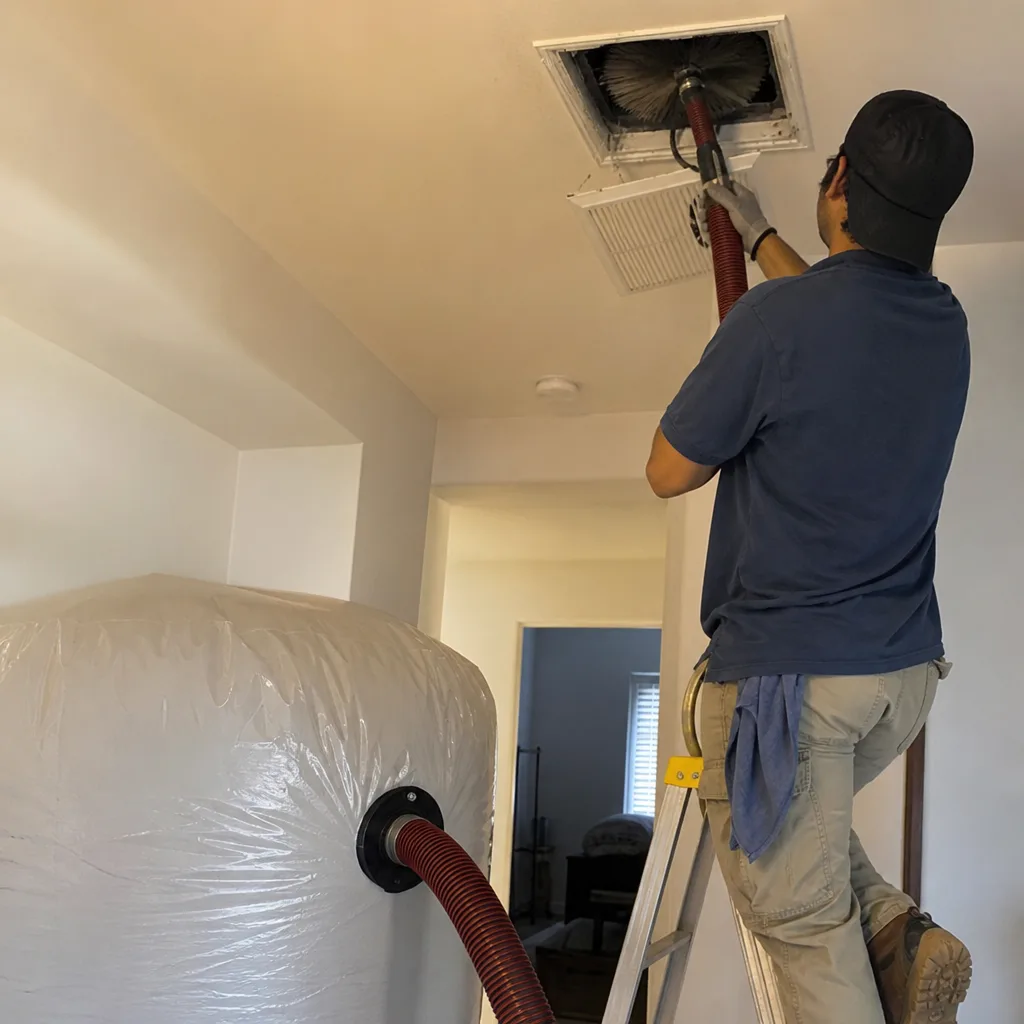
San Antonio homeowners who bought between 2015 and 2025 at peak prices are acutely sensitive to operating costs. A cooling bill that rises without rate increases or weather changes often points to duct leakage, not duct dirtiness. The distinction is worth understanding.
The Department of Energy estimates that typical U.S. homes lose 20-30% of conditioned air to duct leakage. In San Antonio’s climate, where cooling dominates and attic temperatures exceed outdoor ambient by 30-40°F, that leakage is heated air in summer, working against your system. The result is longer run times, higher bills, and uneven temperatures.
Leakage and debris are separate problems with overlapping symptoms. A leaky return duct pulls hot attic air into the system, overloading the filter and depositing attic debris in the ductwork. The filter loads faster (debris symptom), the system runs longer (bill symptom), and the homeowner calls for duct cleaning. Cleaning removes the deposited debris but does not seal the leak. The debris returns, the bills stay high, and the homeowner feels misled.
Signs that point to leakage rather than accumulation:
- Bills rising gradually over 12-24 months, not suddenly
- Dust accumulation at ceiling registers (attic air is entering the return)
- System running longer to reach setpoint, especially afternoon into evening
- Rooms farthest from the air handler consistently warmer
The diagnostic tool is a duct blaster test, which pressurizes the duct system and measures leakage rate. In San Antonio, new construction must meet Texas Energy Code duct leakage standards, but homes built before 2018 often exceed them significantly. CleanRun offers duct leakage testing as part of our inspection protocol; the photo record includes infrared images where leakage is detectable by temperature differential.
Repair - duct sealing with mastic or aerosol sealant - typically reduces leakage by 80-90% when done properly. The payback period in San Antonio’s climate is often under three years. Cleaning may follow sealing, but sealing is the priority for bill reduction.
Condensation at Vents and Moisture Intrusion
Water stains on ceiling around supply registers, or actual dripping from vent faces, is a warning sign that demands immediate attention. In San Antonio’s humid climate, condensation occurs when cold supply air meets warm, moisture-laden air at a duct surface that lacks adequate insulation or where the duct is exposed to unconditioned space.
The mechanical causes:
- Missing or damaged duct insulation: Common in attic runs where insulation has slipped, been disturbed by workers, or degraded from heat exposure. The metal duct surface becomes cold enough to condense moisture from attic air.
- Air leakage at the register boot: The sheet-metal fitting that connects the duct to your ceiling register can pull away, allowing attic air to contact the cold duct surface. The condensation forms at the ceiling penetration and stains drywall.
- Oversized or improperly charged AC system: A system that cools too quickly does not run long enough to dehumidify. Supply air temperature drops below the dew point of indoor air, and condensation forms at registers even in conditioned space. This is an HVAC sizing or charge issue, not a duct issue.
- Blocked or restricted return air: Low return airflow reduces supply air volume, causing the remaining air to move slower and spend more time in the duct, getting colder. The colder air condenses more readily at the register.
Condensation is never resolved by duct cleaning. Cleaning removes debris; it does not add insulation, seal boots, or correct airflow. Left unaddressed, condensation breeds mold on drywall and register surrounds, creating the mold odor problem discussed earlier. We’ve documented this progression in San Antonio homes where homeowners delayed calling because they assumed the issue was “just humidity” that cleaning would address.
If you see condensation, photograph the affected register, note the time of day it occurs (morning vs. afternoon indicates different causes), and check whether the duct boot is secure to the ceiling drywall. This documentation helps any contractor diagnose correctly on the first visit.
Visible Exterior Duct Damage: What You Can See from Outside
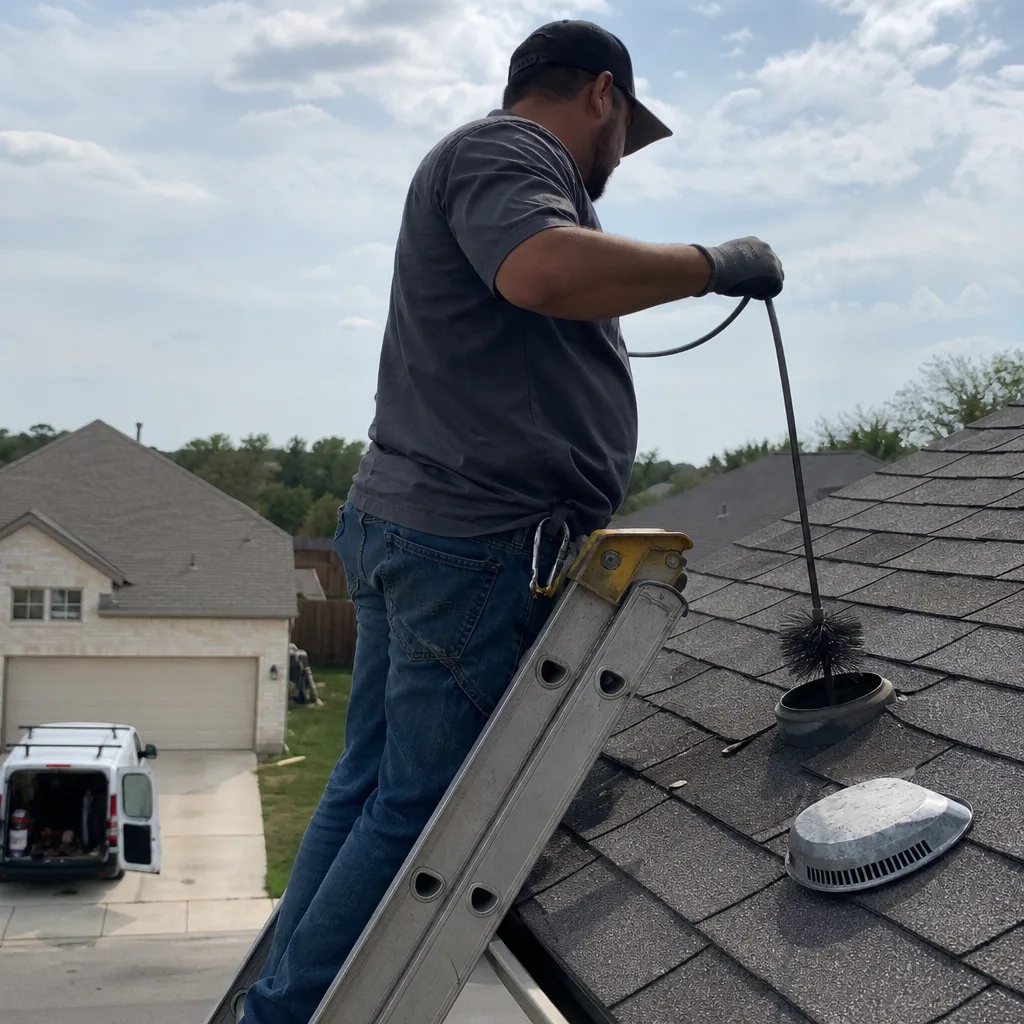
Some warning signs require no indoor inspection. San Antonio homeowners can perform a meaningful exterior survey of their duct system, particularly for homes with rooftop HVAC units or exterior duct chases.
What to look for:
- Duct insulation degradation on exterior lines: UV exposure degradates the vapor barrier on exterior flex duct insulation. When the silver or black outer layer cracks and flakes, the fiberglass beneath absorbs rainwater. The duct loses R-value, condensation risk rises, and the wet insulation collapses onto the inner liner, restricting airflow. In San Antonio’s intense sun, this can occur in under 10 years.
- Separated duct joints at exterior penetrations: Where ductwork exits the building envelope - through walls to rooftop units, or through soffits to exterior-mounted air handlers - the sealant and mechanical fasteners can fail. You may see gaps between duct sections, or daylight visible through the penetration.
- Physical damage from weather or impact: Hail damage to exterior ductwork is common in San Antonio’s spring storm season. We’ve replaced crushed duct runs and punctured flex duct after hail events that homeowners assumed had only affected their roof.
- Rust on metal duct or supports: Galvanized steel ductwork and supports rust when protective coatings fail, typically from prolonged moisture exposure. Rust on exterior components predicts interior deterioration. The photo record should capture this before it progresses to failure.
Exterior damage is unambiguously a repair issue, not a cleaning issue. No amount of internal vacuuming addresses a rainwater-soaked duct run on your roofline. CleanRun’s inspection protocol includes exterior survey when accessible, and we note exterior conditions in the written scope before any interior work is priced.
San Antonio-Specific Warning Signs: Foundation Type and Neighborhood Patterns
San Antonio’s housing stock spans a century of construction methods, and the warning signs vary significantly by foundation type and neighborhood vintage. Understanding your home’s specific risk profile prevents misdiagnosis.
Slab Foundation Homes
Common in neighborhoods built 1960-1990, including much of the near-west side, Leon Valley, and Kirby. Ductwork is often embedded in the concrete slab or in soffits at slab perimeter.
Specific warning signs:
- Sudden, severe airflow reduction to multiple rooms: Slab ducts can flood during heavy rain or break from ground settlement. The 2021 freeze-thaw cycle caused slab duct failures we documented across the city.
- Musty odor that worsens after rain: Indicates water intrusion into slab ductwork. This requires duct rerouting, not cleaning. Cleaning a flooded slab duct spreads contamination.
- Warm spots on slab floors in summer: Leaking supply air into the slab creates thermal patterns detectable by bare feet or infrared camera.
Pier-and-Beam Homes
Common in Alamo Heights, Monte Vista, Terrell Hills, and older areas. Ductwork runs through crawl spaces with variable moisture control.
Specific warning signs:
- Rodent debris at registers: Crawl space access allows rodent entry. We regularly find nesting material, droppings, and chewed ductwork in pier-and-beam homes.
- Insulation degradation from crawl space moisture: San Antonio’s clay soils hold moisture; crawl spaces without vapor barriers have chronically damp conditions. Duct insulation absorbs this moisture and compresses, losing effectiveness.
- Register displacement from duct sagging: Flex duct in crawl spaces can sag between supports, pulling the register boot away from the ceiling. The gap allows crawl space air infiltration.
Stone Oak and Alamo Heights Flex Duct Patterns
Homes in the Stone Oak corridor built 1995-2010, and in Alamo Heights renovations from the same period, frequently used flex duct installations with specific failure modes we’ve documented repeatedly:
- Excessive duct length: Installers sometimes used continuous flex duct runs where rigid duct with elbows would have been proper. The long flex sags, compresses at bends, and creates turbulence that deposits debris at low points.
- Poor support spacing: Flex duct should be supported every 4-5 feet maximum. Unsupported spans create the sagging that restricts airflow and collects condensation.
- Tight attic turns: Flex duct bent sharply around trusses cracks the inner liner. The insulation stays intact, so the damage is hidden until camera inspection.
These are not cleaning problems. They are installation-quality problems that cleaning temporarily improves by removing deposited debris, but the mechanical failure persists. Our written scopes for Stone Oak and Alamo Heights homes frequently include repair recommendations alongside or prior to cleaning.
How to Document Your Baseline Before Calling Any Contractor
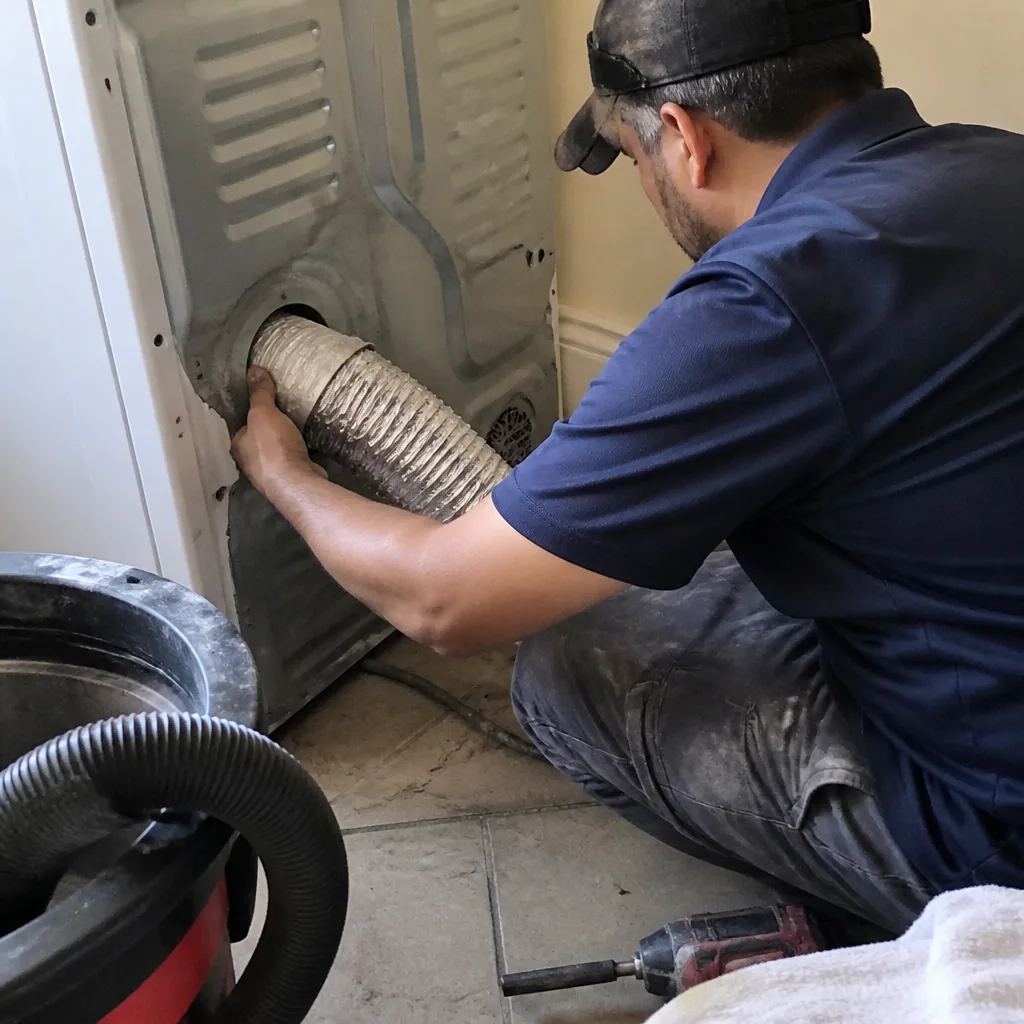
The most powerful protection against misdiagnosis is your own documentation. A contractor who knows you have dated photographs and written observations is constrained to address evidence. Here’s how to build that record.
- Photograph every register and return grille. Remove the register, photograph the duct opening with flash, and photograph the register itself (both sides). Date the images. Debris patterns, mold staining, and damage are now timestamped.
- Photograph your filter before replacement. Note the installation date and the replacement date. A loaded filter with dates is objective evidence of system loading.
- Record specific odor descriptions with dates and conditions. “Musty smell from master bedroom vent, strongest at 6 AM when AC first cycles, fades by 9 AM, present since March 15” is diagnostic data. “Smell from vents” is not.
- Photograph any condensation, water stains, or exterior damage. Include a reference object for scale (ruler, coin) and note the time of day and weather conditions.
- Collect one year of utility bills. Plot cooling cost per month against the same months prior year. A 20% increase without rate change or weather anomaly supports leakage investigation.
- Write a one-page summary with your observations, dates, and questions. Present this to any contractor who visits. Ask them to address each point specifically in their written scope.
At CleanRun, we request this documentation when San Antonio homeowners call, and we reference it in our own written scope. Haven Standard Clause 1 requires our price to be delivered in writing before work starts; your documentation ensures that price addresses your actual conditions, not a generic package.
The CleanRun Air Duct Cleaning San Antonio home page includes our full inspection protocol. For homes with specific concerns, our Air Duct Cleaning in San Antonio service includes the documented photo record of every duct run as a standard deliverable.
Common Mistakes to Avoid
- Assuming all odors mean mold, and all mold means duct cleaning. Texas requires licensed mold assessment before remediation. A contractor who skips this step exposes you to liability and may perform unnecessary work.
- Accepting a per-vent or coupon price without a written scope. The $79 duct cleaning special in San Antonio invariably becomes a multi-hundred-dollar upsell once the truck arrives. A written scope with line-item pricing, delivered before work starts, is the only protection.
- Cleaning before repairing known damage. We’ve cleaned ducts in homes where disconnected runs were later found, meaning the cleaning addressed only part of the system while conditioned air continued escaping elsewhere. Inspect first, then sequence work correctly.
- Ignoring exterior duct conditions. San Antonio’s sun and hail damage exterior components that affect interior performance. An interior-only inspection misses half the system.
- Replacing filters frequently without investigating why they load fast. Monthly filter changes are a symptom response, not a solution. Find the source of excess debris or the return air leak that’s pulling unfiltered air.
- Hiring based on equipment claims without verifying. Ask what specific equipment will be used. Guardsman, Nikro, Rotobrush, and Abatement Technologies are trade-recognized brands you can research. A shop vacuum with a long hose is not duct cleaning equipment.
- Not requesting before-and-after documentation. If a contractor cannot or will not photograph the inside of your ducts before and after work, you have no evidence the work occurred. CleanRun has delivered this documentation on every job since 2013.
When to Call a Professional
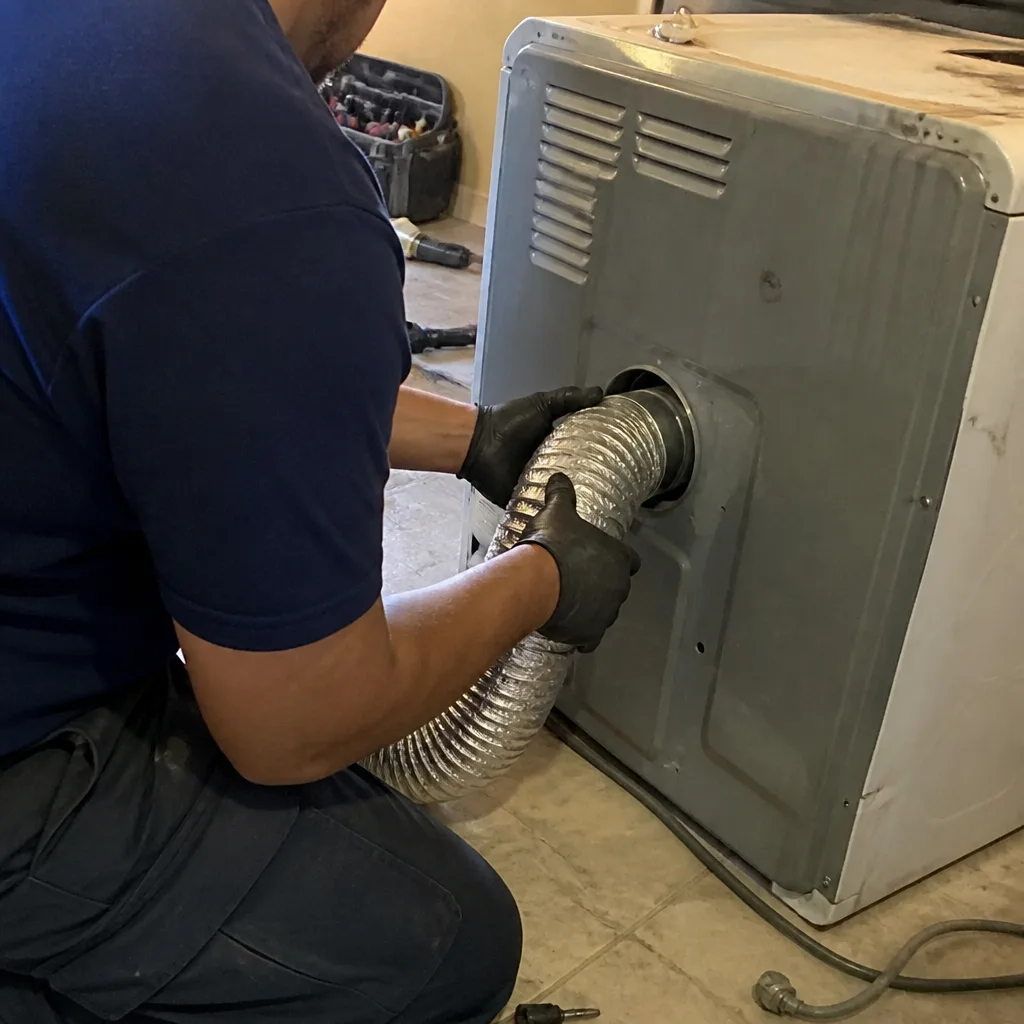
Call a professional when you observe multiple warning signs simultaneously, when any sign involves moisture or condensation, or when your own documentation shows progression over time. Single symptoms can be monitored; combined symptoms indicate interacting problems that benefit from systematic diagnosis.
Specifically: if you smell mold, see water at registers, or experience sudden airflow loss, do not wait. These conditions damage your home and potentially your health. If you have a written estimate from another contractor that seems vague or inflated, CleanRun offers a Free Second Opinion - we put our written number next to theirs, line item by line item, at no cost.
CleanRun Air Duct Cleaning San Antonio offers free estimates in San Antonio. Every estimate includes a written scope and price before any work is proposed, documented photo inspection of accessible ductwork, and the full H.A.V.E.N. Standard including background-checked, uniformed technicians identified by name before arrival. Call (726) 600-7155 to schedule.
Frequently Asked Questions
Whole-system air duct cleaning in San Antonio typically ranges from $450 to $1,200 for a single residential system, depending on home size, duct accessibility, and whether the job includes the HVAC cabinet and coil. CleanRun delivers a written price before any work starts under Haven Standard Clause 1; the price is flat per system, not per vent, and includes the documented photo record. Call (726) 600-7155 for an exact quote - estimates are free.
The $79-$149 coupon offers in San Antonio typically cover only a superficial vacuuming of accessible register areas, not full-system cleaning. The upsell to “complete” service happens after arrival. A legitimate whole-system cleaning requires 3-5 hours, professional negative-pressure equipment, and access to the full duct network. The low opening price is a customer acquisition tactic, not a real service price. CleanRun’s written price is the total price - no exceptions, no surprises.
You know because you see it. CleanRun’s documented photo record shows the inside of every duct run before and after work, delivered as part of the standard job record. Since 2013, we’ve produced this documentation on every job - 52,000 homes and counting. If a contractor cannot show you interior duct images from your specific home, you cannot verify the work occurred.
For most San Antonio homes, every 5-7 years with standard fiberglass filters, or every 3-5 years if you have pets, allergies, or live near construction or unpaved roads. Homes in the Hill Country or near active development may need more frequent service due to dust load. Change filters on schedule, and inspect registers annually; clean when you see accumulation, not on a rigid calendar.
You can clean register surfaces and replace filters, which helps maintain airflow. You cannot safely or effectively clean the interior duct network without professional negative-pressure equipment and mechanical agitation tools. Attempting to access ductwork beyond registers risks damage to duct liner, disconnection of joints, and personal injury from sharp sheet metal. The EPA does not recommend DIY duct cleaning.
Yes, in specific ways. San Antonio’s cooling-dominant climate means ducts spend more months under positive pressure, stressing joints and seals. High attic temperatures accelerate flex duct and insulation degradation. Caliche dust from construction and expansion is more abrasive than typical household dust. And the combination of humidity with cool duct surfaces creates condensation risk that drier climates avoid. These factors don’t change the warning signs, but they can accelerate their progression.
The Bottom Line
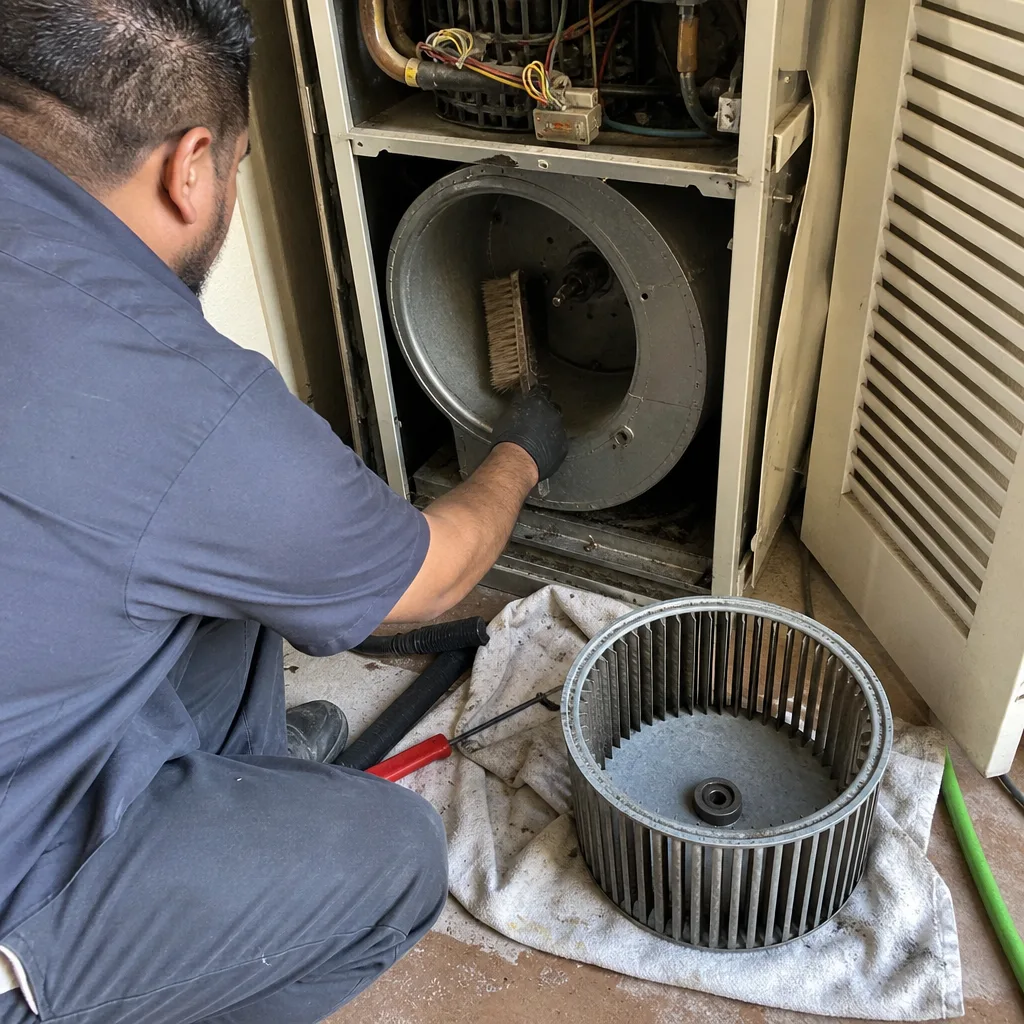
Air duct warning signs are not a single diagnosis - they are symptoms of distinct mechanical conditions that require different responses. Visible debris and rapid filter loading indicate cleaning. Uneven temperatures and rising bills indicate leakage or damage requiring repair. Moisture and musty odors require careful diagnosis to distinguish debris, mold, drainage failure, or plumbing issues, each with its own professional and regulatory requirements. San Antonio’s specific construction patterns, from slab foundations to Hill Country pier-and-beam, create predictable failure modes that informed homeowners can recognize and document. The protection against paying for the wrong service is evidence: your own photographs, dated observations, and a contractor who puts a written scope and price in your hands before any work begins. That is the standard CleanRun has held since 2013.
Written by Tomas Reyes, Owner at CleanRun Air Duct Cleaning San Antonio, serving San Antonio since 2013.