
Last updated September 23, 2026
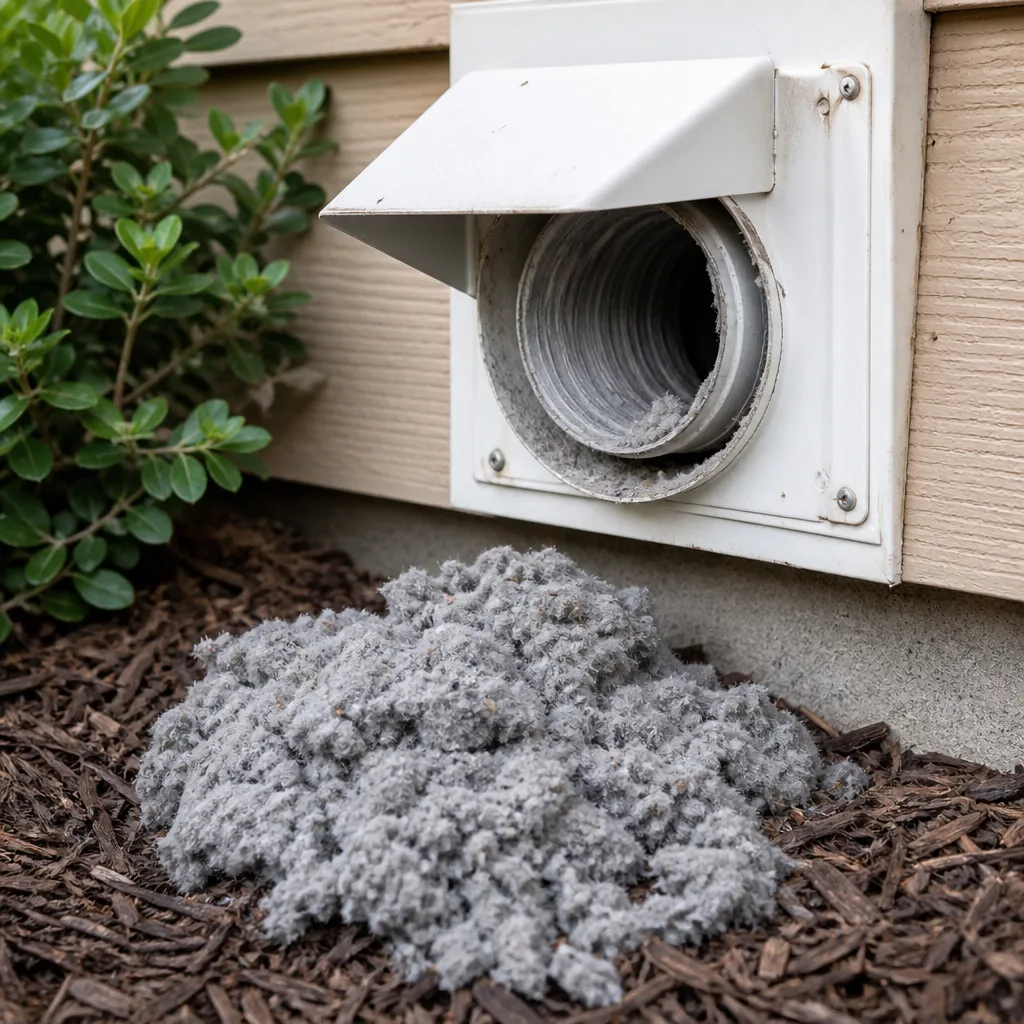
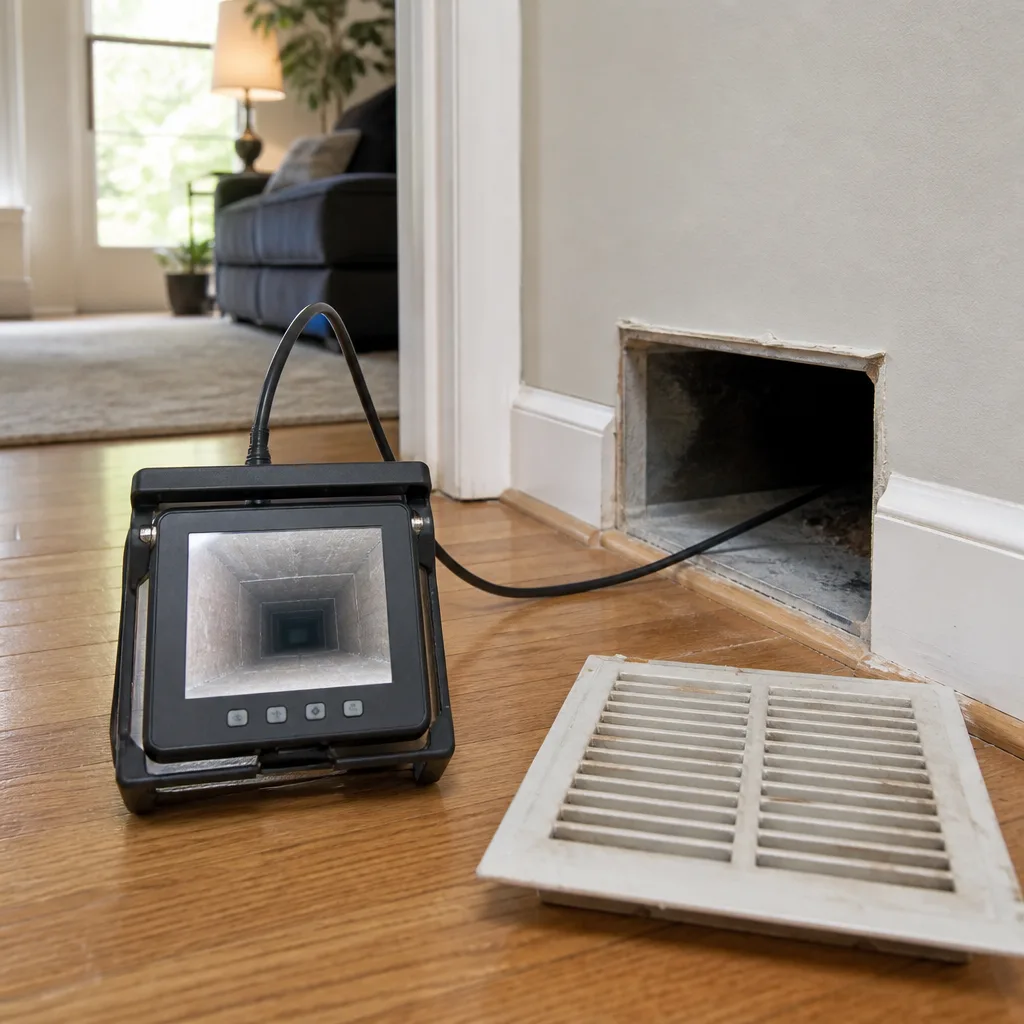
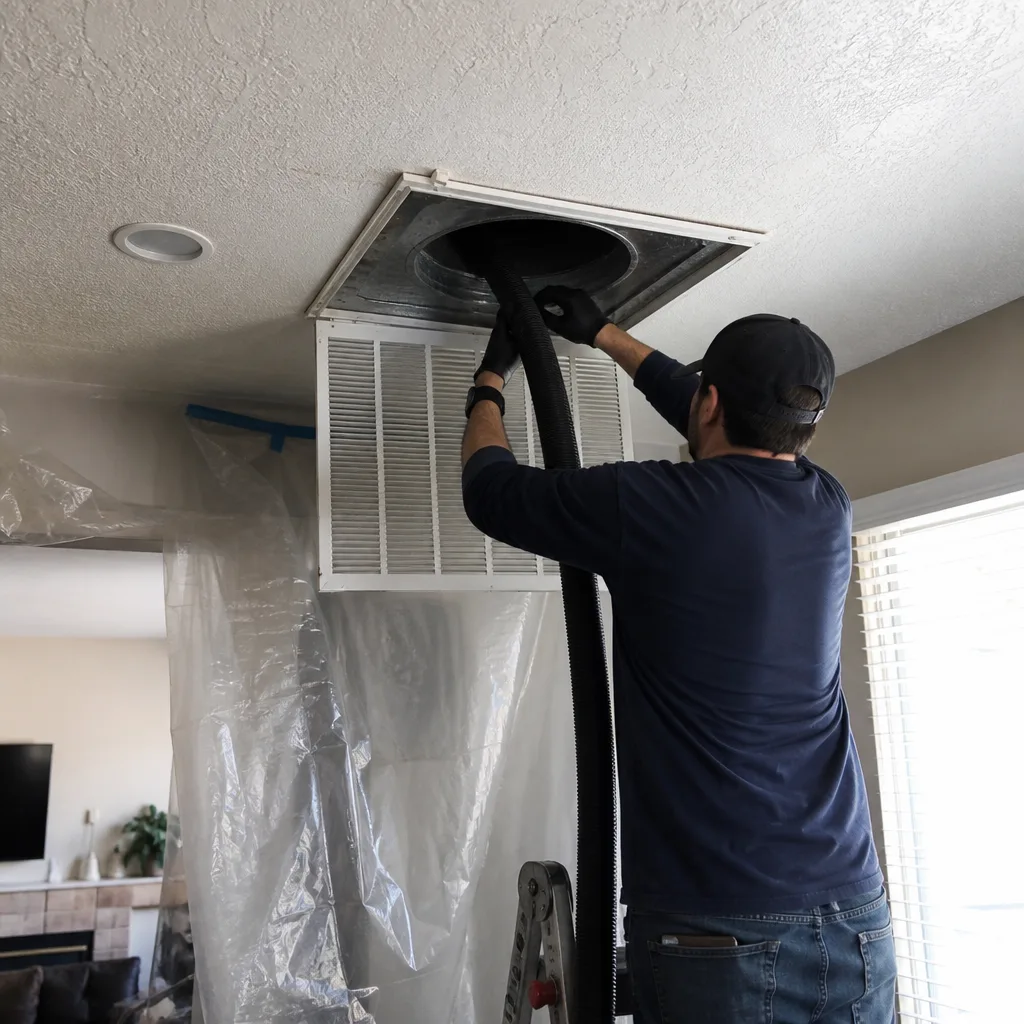
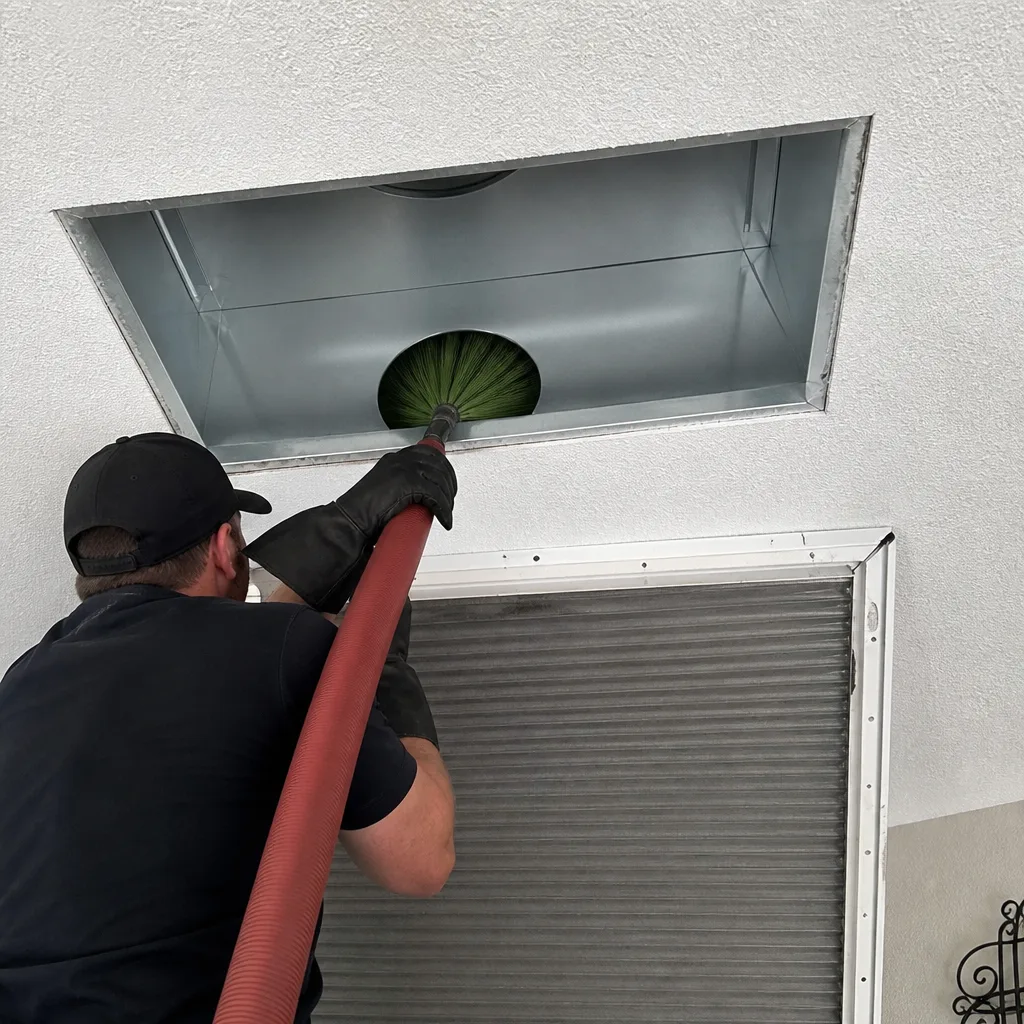
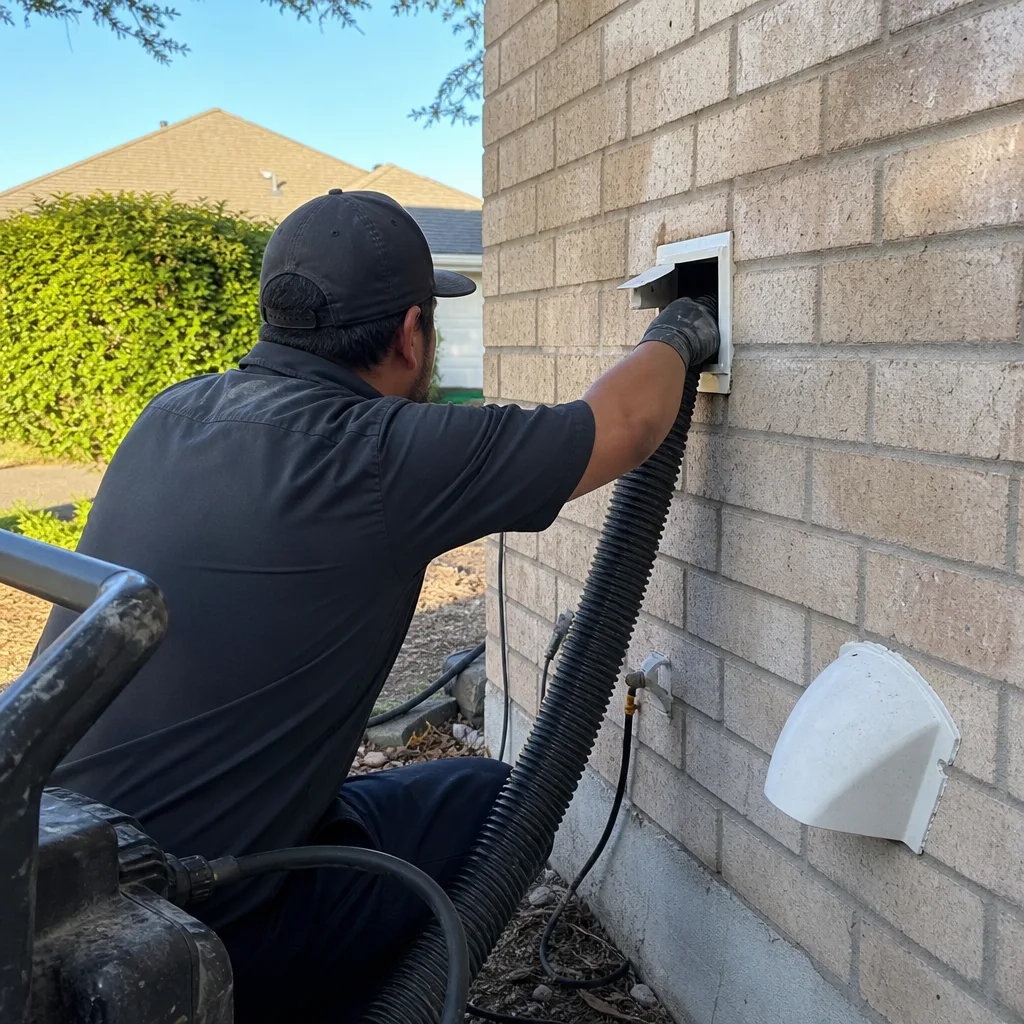
Whole-system duct and dryer vent check with before-and-after photos - you see exactly what came out of your vents
That "$99 whole-house special" is a bait ad - the real number appears once they are in your hallway, or the "clean" is a shop-vac at the register. We photograph the inside of your ducts before and after instead.

 Before
 After
After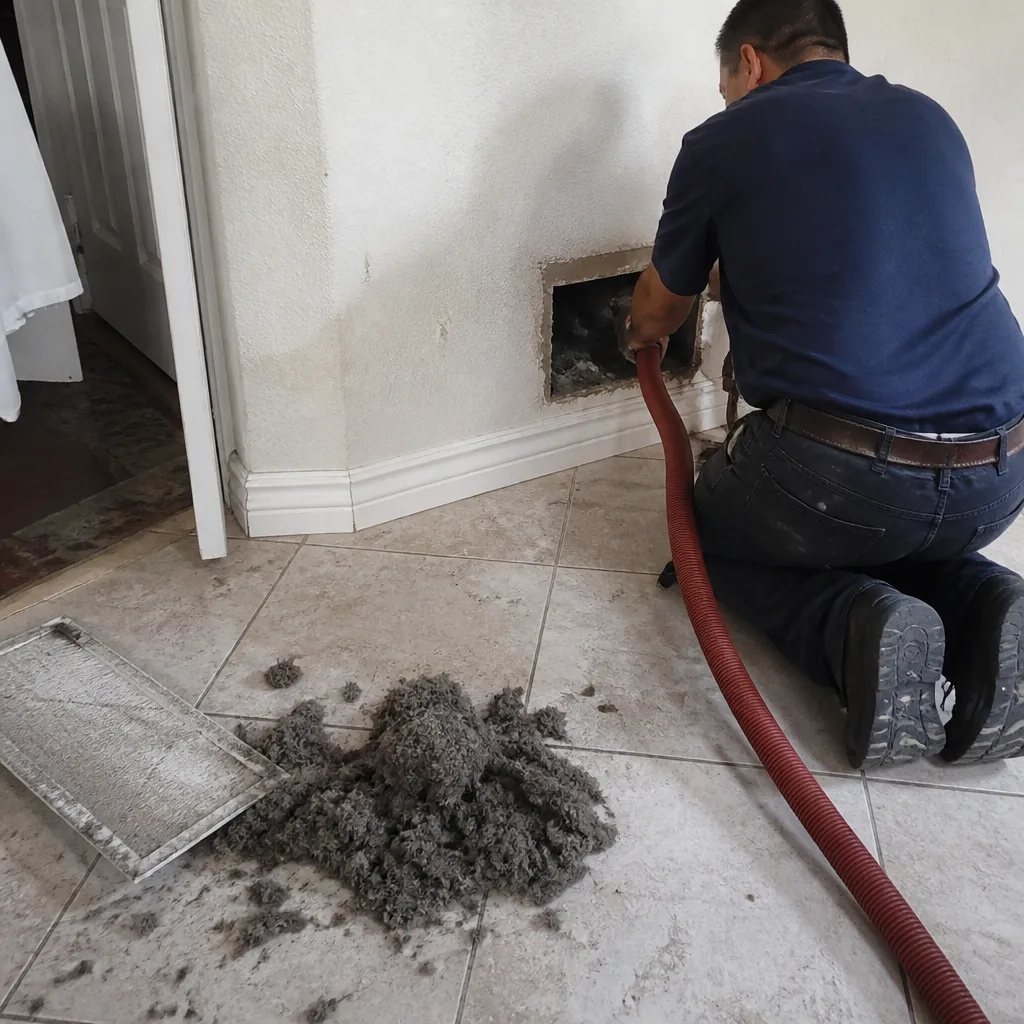 Before
 After
After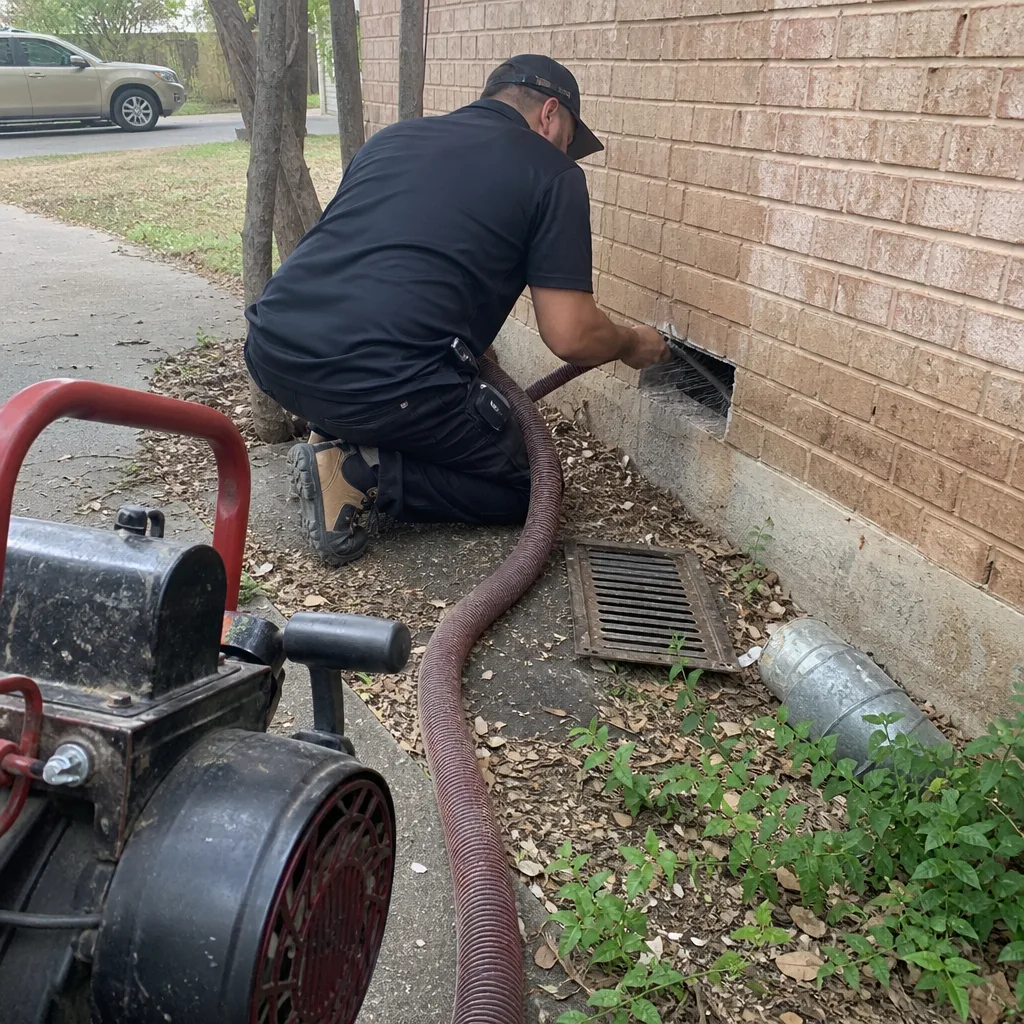 Before
 After
AfterDIY vs Professional Air Duct Cleaning: The San Antonio Homeowner’s Decision Guide
A homeowner with a shop-vac and a dryer vent brush can clean the first 18 inches of every supply run in their house. That sounds useful until you understand that the debris accumulation affecting air quality and system efficiency starts where the brush stops, at the first duct elbow. In this guide, we’ll show you exactly what DIY tools can and cannot reach inside a San Antonio home’s duct system, the three scenarios where doing it yourself genuinely makes sense, and how to evaluate whether your system has crossed the threshold where professional equipment becomes necessary. This is a decision about mechanical capability, not just price.
Quick Answer
DIY air duct cleaning works for surface-level maintenance on newer systems but cannot reach debris past the first elbow of most duct runs or safely handle deteriorating duct liner in older San Antonio homes. Professional Air Duct Cleaning with negative-pressure extraction equipment is necessary when your system is over five years old, shows visible debris at registers, or has flex runs longer than 15 feet in attic installations common to Alamo Heights, Stone Oak, and North San Antonio subdivisions.
Table of Contents
- What DIY Tools Actually Reach Inside Your Ductwork
- Three Scenarios Where DIY Makes Sense
- What Professional Equipment Does Differently
- Hidden Risks in Older San Antonio Homes
- Evaluating Professional Quotes Against DIY Costs
- What CleanRun Delivers on Every Job
- Common Mistakes to Avoid
- When to Call a Professional
- Frequently Asked Questions
BeforeAfterWhat DIY Tools Actually Reach Inside Your Ductwork
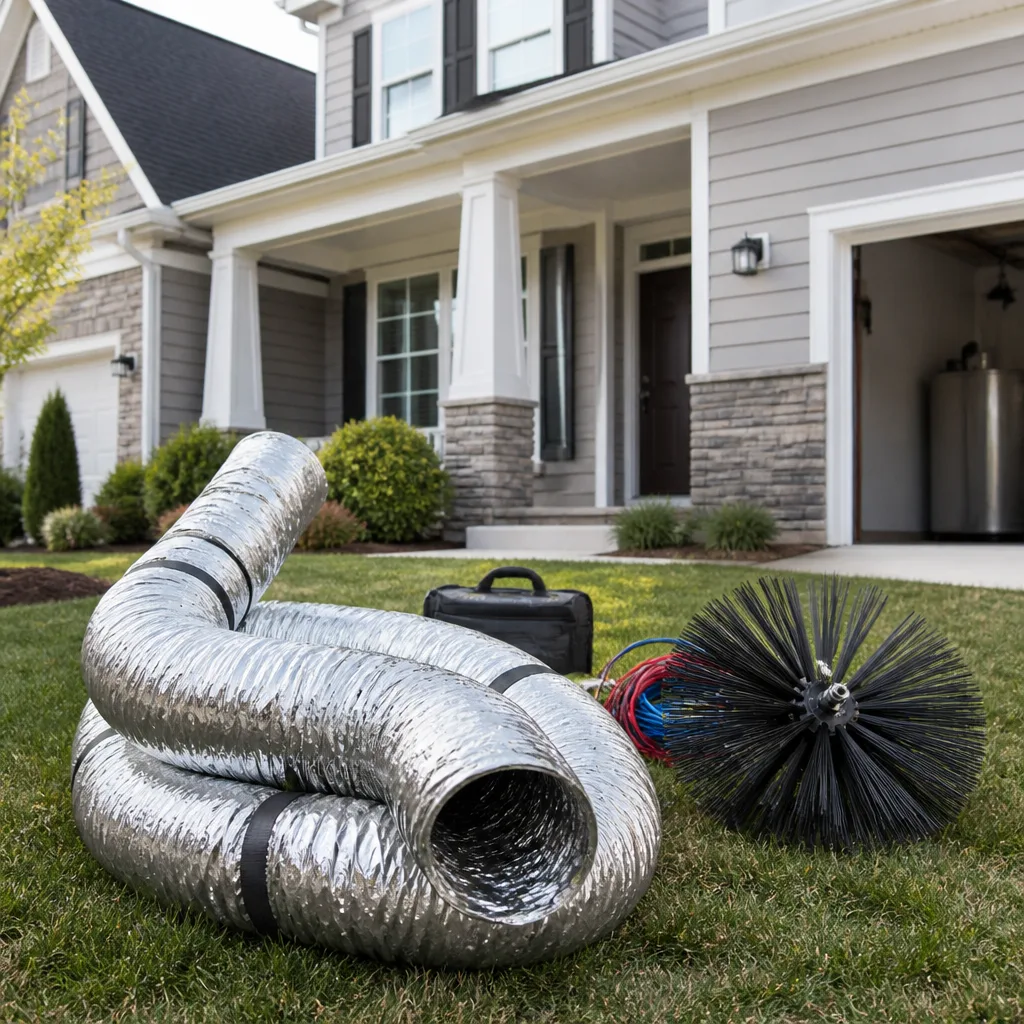
Most DIY duct cleaning attempts rely on three categories of consumer tools: vacuum attachments with flexible hoses, rotating brushes on extension rods, and compressed air wands. Each has a hard physical limit determined by duct geometry, not by how thoroughly you work.
A standard shop-vac hose with a brush attachment extends roughly 6 to 10 feet into a straight duct run. In practice, that means it cleans the section from your register face to the first elbow or wye connection. In a typical San Antonio ranch-style home built between 1985 and 2010, that first elbow sits 3 to 6 feet from the register. In two-story construction common to newer developments like Cibolo Canyons or Evans Ranch, the drop from ceiling to floor joist often creates an immediate 90-degree turn, reducing reachable distance to under 2 feet.
Rotating brush kits sold at hardware stores extend 12 to 20 feet with multiple rod sections. The brush head rotates either by drill attachment or battery motor. These tools can navigate one or two gentle bends but bind at sharp elbows or in flex duct with sagging sections. The brush dislodges debris but provides no extraction, meaning loosened material falls downstream or gets pushed further into the system.
Compressed air wands, including the popular “duct blaster” style tools, shoot high-pressure air backward from the nozzle tip. They move surface dust effectively in straight metal duct but create two problems in typical San Antonio installations: they blast debris into the air handler cabinet in return duct applications, and they can damage flexible duct liner or tear aging fiberglass insulation from the inside.
The critical measurement is not tool length but what remains uncleaned. In a 2,200 square foot San Antonio home with a standard 4-ton HVAC system, there are typically 12 to 18 supply runs averaging 15 to 35 feet each. A DIY tool reaching 6 feet into each run leaves 60 to 85 percent of total duct length untouched. The debris accumulation that restricts airflow, harbors mold spores, and recirculates particulates lives in that unreachable majority.
Here’s what DIY tools physically cannot do:
- Generate sufficient airflow (measured in cubic feet per minute, or CFM) to extract debris from deep in the system rather than redistribute it
- Create negative pressure that seals the ductwork during cleaning, preventing escape into living spaces
- Navigate multiple elbows, reducer fittings, or damaged flex sections common in attic installations exposed to San Antonio’s 140-degree summer temperatures
- Access the plenum, the central distribution box where multiple runs connect and where heavy accumulation often forms
- Inspect or clean the evaporator coil, blower assembly, or secondary drain pan - components that directly affect air quality and system efficiency
We’ve documented this gap on hundreds of jobs. The camera shows a clean 6-foot entry zone and a debris buildup starting precisely where the homeowner’s tool stopped. In one Terrell Hills job from 2022, the brush had clearly reached 8 feet into a 28-foot run; the remaining 20 feet contained a 2-inch mat of construction dust, pet dander, and pollen that had compressed over eight years into a material resembling felt.
Three Scenarios Where DIY Makes Sense
Despite these limitations, there are specific conditions where DIY cleaning is genuinely adequate and cost-effective. The key is matching the tool to the actual condition of the system, not to a calendar schedule or marketing pressure.
Scenario 1: New Construction Debris from Recent Renovation
If your home underwent renovation within the past 12 months and the HVAC system was active during construction, drywall dust, wood particles, and insulation fragments likely entered the ductwork. This material is typically light, dry, and located near registers where cutting and sanding occurred. A shop-vac with brush attachment, used immediately after renovation completion, can remove the bulk of this surface debris before it migrates deeper.
The conditions that make DIY appropriate here: the system was new or clean before renovation, the debris is known to be recent and dry, and you’re addressing it within weeks rather than months. Wait a year, and that same drywall dust has absorbed humidity from San Antonio’s spring and fall seasons, compacted against duct walls, and moved past the first elbow with system airflow. For timing your maintenance, see our guide on Seasonal Air Duct Cleaning Care for San Antonio: Year-Round Homeowner’s Guide.
Scenario 2: Light Surface Dust in a System Less Than Five Years Old
Newer duct systems in homes built 2019 or later, particularly those with sealed ductwork meeting current Texas energy code requirements, accumulate debris more slowly. If your registers show only light gray dust, your filters have been changed on schedule, and you have no pets or indoor smoking, DIY register and boot cleaning every 18 to 24 months maintains adequate surface cleanliness.
Perform this by removing register covers, vacuuming the boot (the sheet metal box behind the register face), and using a damp microfiber cloth on the visible duct lining. Do not push debris deeper. In Shavano Park and Alamo Ranch, where newer construction predominates, we’ve found this maintenance level sufficient for many systems under five years old.
Scenario 3: Visible Register Face Cleaning
The register face and surrounding ceiling or wall area collect visible dust that recirculates even if the duct behind it is clean. This is aesthetic maintenance, not duct cleaning, but it affects perceived air quality. Remove registers monthly, wash in warm soapy water, dry completely, and vacuum the surrounding finish. This takes 20 minutes and costs nothing beyond time.
What disqualifies DIY in each scenario: any musty odor, visible mold, pest evidence, system age over five years, recent water intrusion, or known duct damage. These conditions require professional assessment and equipment.
What Professional Equipment Does Differently
The distinction between DIY and professional duct cleaning is not effort or thoroughness. It is mechanical capability. Professional equipment performs three functions that consumer tools cannot replicate: negative-pressure containment, sufficient airflow volume for deep extraction, and integrated agitation with simultaneous removal.
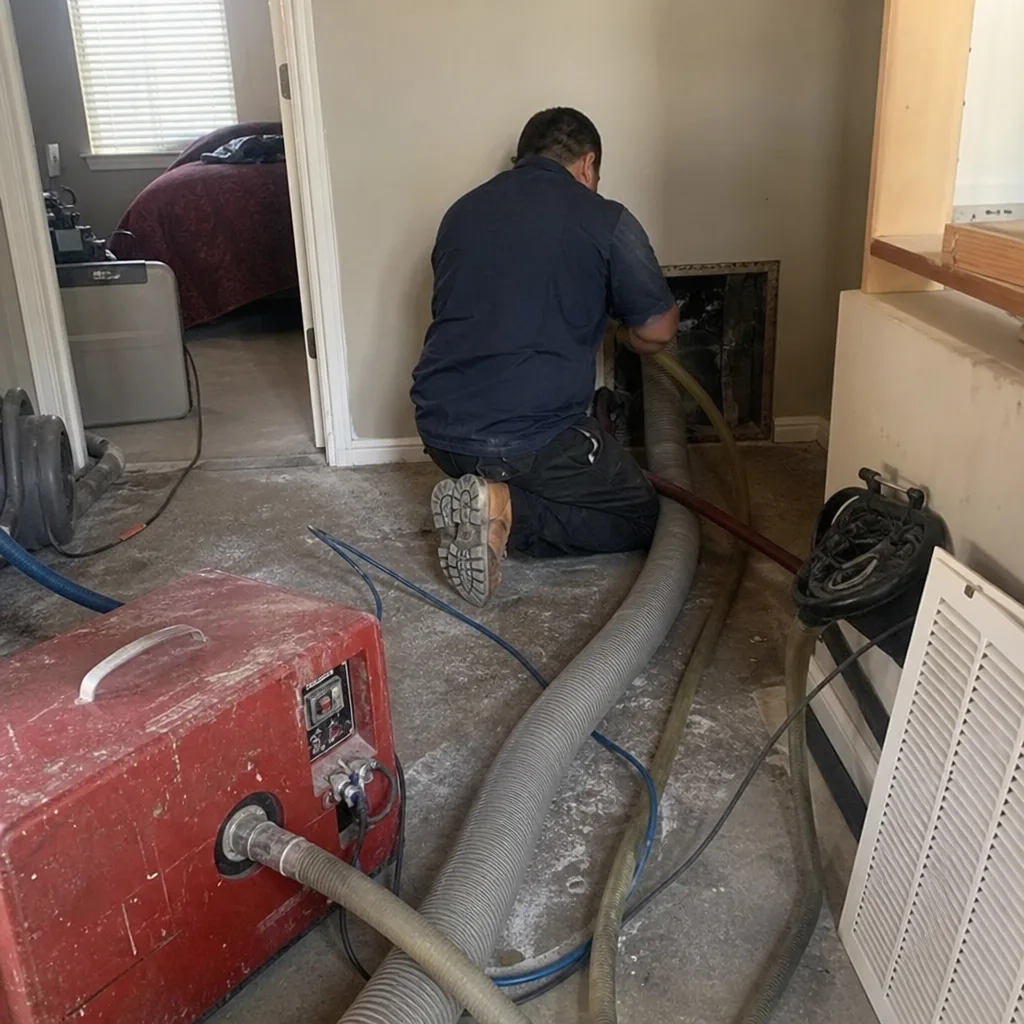
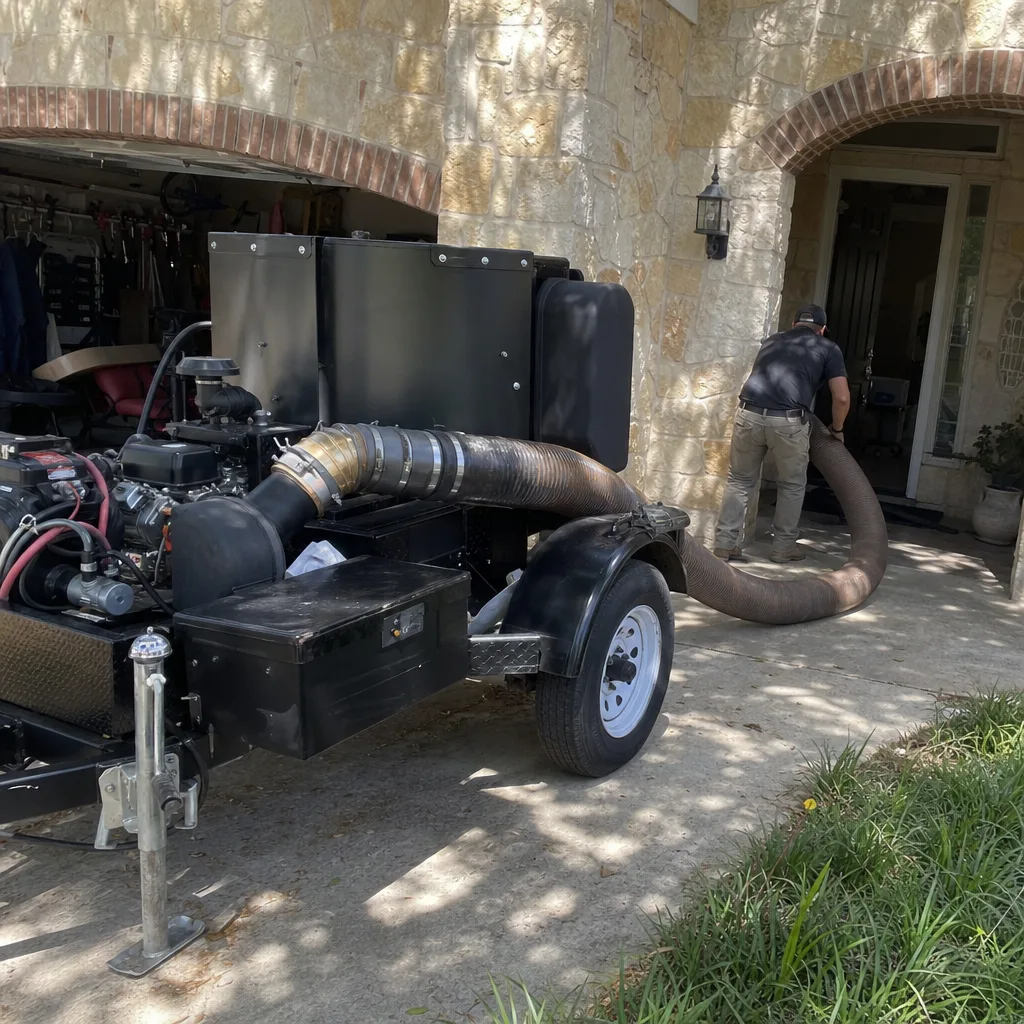
Negative-pressure containment means the entire duct system is placed under vacuum during cleaning, typically -1,500 to -2,500 Pascals. This prevents dislodged debris from escaping into living spaces through leaks or open registers. A portable HEPA filtration unit, such as those manufactured by Abatement Technologies or Nikro, connects to the ductwork via a sealed access panel. The system becomes a contained loop: agitation loosens debris, airflow transports it, filtration captures it.
Consumer vacuums operate in positive pressure relative to the room. They suck at the nozzle tip but exhaust filtered air back into the space. Any disturbance of duct debris that escapes the nozzle enters your breathing air. In a 2019 study of residential air quality during cleaning events, DIY attempts showed temporary particulate increases of 300 to 800 percent in living spaces; professional negative-pressure systems showed decreases or minimal change.
Airflow volume for deep extraction requires understanding CFM in context. A typical shop vac moves 80 to 150 CFM. A residential negative-pressure duct cleaning system, such as a Rotobrush HEPA machine or Nikro portable unit, generates 2,000 to 5,000 CFM. This volume is necessary because debris in a 25-foot flex run - standard in San Antonio attic installations - experiences friction against duct walls, settles in sagging sections, and compresses over time. Sufficient airflow overcomes these adhesion forces and transports material to the collection point.
The geometry matters. San Antonio’s climate creates specific conditions: summer attic temperatures exceed 140 degrees, accelerating flex duct deterioration and creating sag points where debris collects. Winter temperature swings cause expansion and contraction at connections. A 25-foot run with two sag points and one 90-degree elbow requires approximately 3,500 CFM at the agitation point to achieve effective debris transport. No consumer tool approaches this.
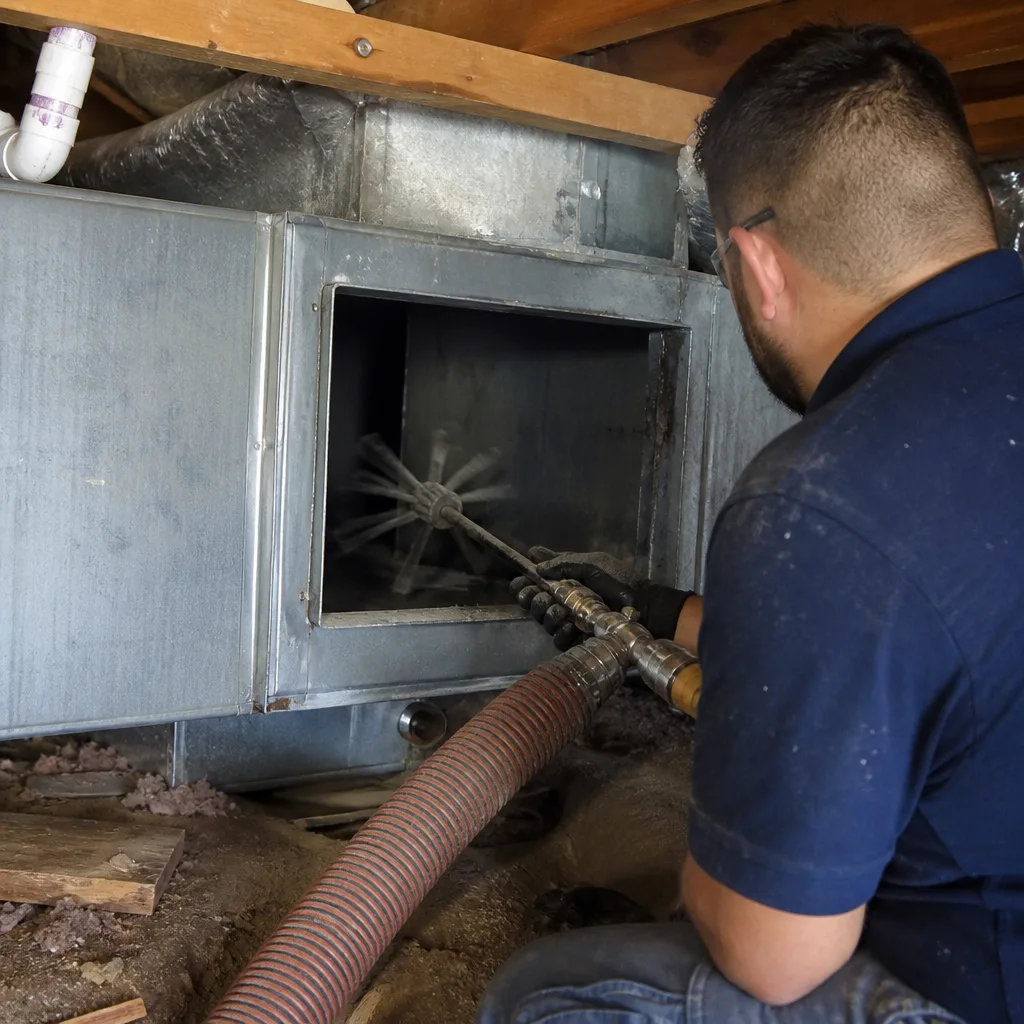
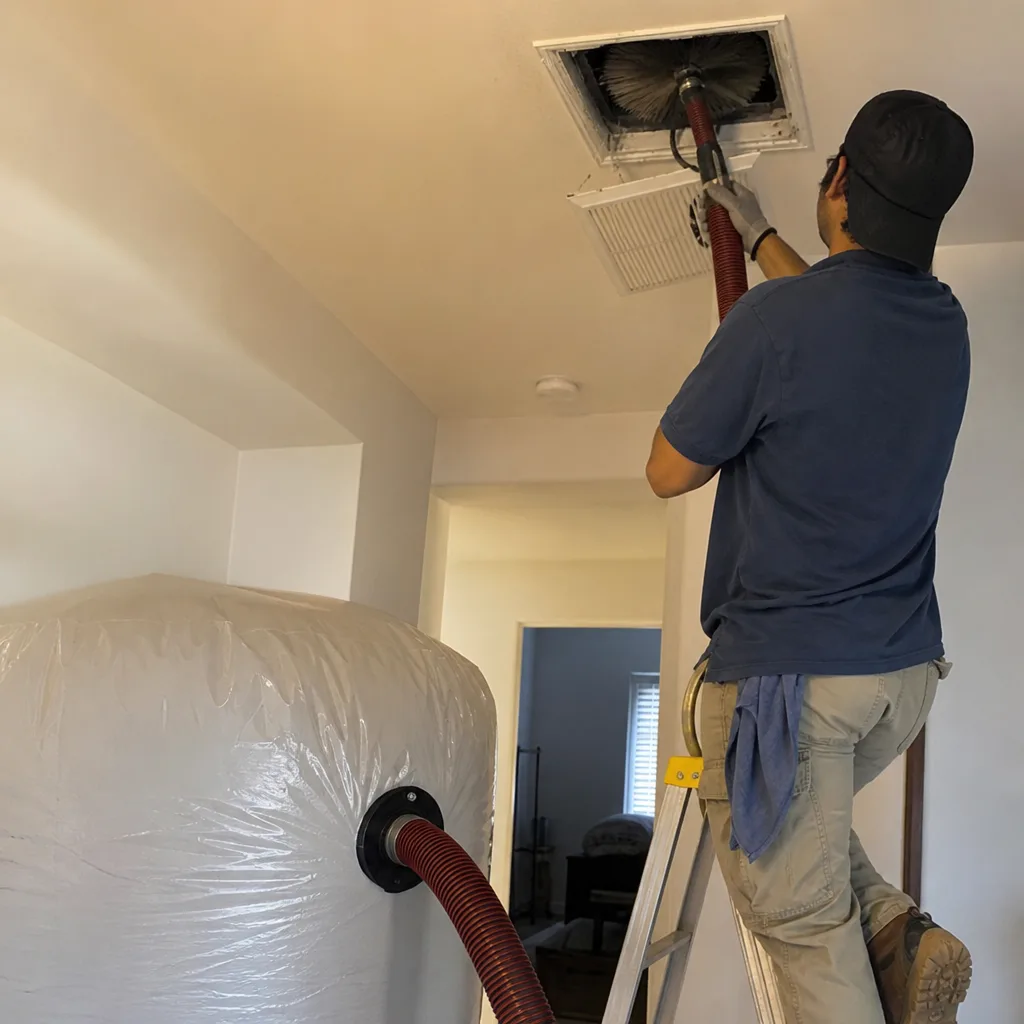
Integrated agitation with simultaneous removal describes professional tools like the Rotobrush system, which uses a rotating brush head with simultaneous vacuum extraction at the brush tip. The brush dislodges; the vacuum captures immediately. Compressed air whips or skipper balls used with negative-pressure systems perform similar integrated functions in metal ductwork. The critical element is that dislodgement and removal occur as a single event, not sequential steps where debris can resettle or escape.
Professional jobs also include components DIY cannot address: the plenum (the central distribution box where supply runs originate), the evaporator coil (where moisture and debris combine to form airflow-blocking biofilm), the blower assembly (which recirculates anything passing through it), and the return air pathway (typically the largest debris collector in the system). In San Antonio’s high-humidity months, the evaporator coil alone can reduce system efficiency 15 to 25 percent when fouled - a condition invisible to homeowners and unreachable without cabinet access.
Hidden Risks in Older San Antonio Homes
San Antonio’s housing stock includes significant pre-1980 construction, particularly in neighborhoods like Monte Vista, King William, and parts of the near West Side. These homes present risks that make DIY duct cleaning potentially counterproductive.
Deteriorating duct liner. Fiberglass duct liner installed before 1990 often degrades where exposed to humidity cycling. The liner surface becomes friable; the adhesive bond to metal fails. A rotating brush or compressed air blast that would safely clean modern ductwork can tear this material, releasing fiberglass particles into the system and living space. The camera shows this clearly: intact liner has a smooth, uniform surface; deteriorating liner shows pitting, discoloration, and loose fibers. We document this condition before recommending any agitation-based cleaning.
Poorly sealed connections. Older systems frequently used tape or mastic seals that have dried and failed. A DIY cleaning attempt that disturbs debris near these connections can push material into wall cavities, crawl spaces, or attic insulation rather than removing it. In one Laurel Heights job, a homeowner’s compressed air wand had blown a decade of accumulated debris through a failed return duct connection into the crawl space, creating a contamination source that recirculated through floor gaps for months afterward.
Asbestos-containing materials. Duct insulation and some register boot sealants in pre-1980 homes may contain asbestos. Disturbing these materials without proper containment and abatement procedures creates serious health and legal liability. Professional assessment includes visual identification of suspect materials and referral to licensed abatement contractors when indicated.
How to identify these risks before starting:
- Determine your home’s construction decade and any prior ductwork modifications
- Remove one register and photograph the visible duct lining with your phone’s flash; look for pitting, discoloration, or loose material
- Inspect the boot-to-duct connection for failed tape, gaps, or corrosion
- Check for musty odors, which indicate moisture intrusion that accelerates liner deterioration
- If any of these conditions exist, stop and request professional assessment before proceeding
In San Antonio’s climate, humidity intrusion through failed seals accelerates all these degradation processes. A system that appears functional in dry winter conditions may reveal hidden damage when spring humidity arrives.
Evaluating Professional Quotes Against DIY Costs
The honest comparison requires calculating what each approach actually delivers, not just the invoice amount versus the hardware store receipt.
DIY cost components:
- Shop-vac with HEPA filter upgrade: $150-$400
- Rotating brush kit with extension rods: $80-$250
- Register removal tools, replacement screws, cleaning supplies: $30-$75
- Time investment: 4 to 8 hours for a 2,000 square foot home, depending on system complexity
- Risk cost: potential damage to ductwork, disturbance of hazardous materials, or incomplete cleaning requiring subsequent professional service
Professional cost components in San Antonio:
Whole-system air duct cleaning for a typical 2,000 square foot home ranges from $450 to $850, depending on system configuration, accessibility, and condition. This includes:
- Labor: 3 to 5 hours for a two-technician crew
- Equipment: negative-pressure HEPA system, agitation tools, access panel installation and sealing
- Documentation: before-and-after photography of every duct run, written scope of work, written warranty
- Verification: airflow testing, register-level inspection, system operational check
The threshold question is not which costs less but which delivers value for your system’s condition. For a 3-year-old system in a Shavano Park home with no pets, no renovation history, and clean register faces, DIY maintenance every 18 months is economically rational. The $600 professional quote buys capability you don’t need.
For a 12-year-old system in a Monte Vista home with original flex duct, visible debris at registers, and a history of high summer utility bills, the DIY approach costs $260 in tools plus your time to reach 15 percent of the duct length, leaves deteriorating conditions unaddressed, and risks damage that increases eventual professional cost. If you’re considering hiring help, read How to Hire a Air Duct Cleaning Contractor in San Antonio: A Step-by-Step Guide. The professional service addresses the full system, identifies needed repairs, and documents condition for warranty or insurance purposes.
The documentation value deserves specific attention. CleanRun’s Documented Photo Record on Every Visit - inside every run, before and after - provides evidence of work performed that DIY cannot replicate. In a real estate transaction, insurance claim, or warranty dispute, this documentation has direct financial value. In our experience since 2013, approximately 15 percent of customers have used their photo record for one of these purposes within two years of service.
When evaluating quotes, request these specifics:
- Written scope defining which components are included (duct runs only, or also plenum, coil, blower, returns?)
- Equipment brand and model - verifiable names like Rotobrush, Nikro, or Abatement Technologies
- CFM rating of the extraction system and how it matches your duct configuration
- Documentation deliverables: photos, written report, warranty terms
- Whether the price is fixed or subject to per-vent add-ons (a common bait-and-switch structure)
CleanRun operates under Haven Standard Clause 1: Written Price Before Any Work Starts. The price quoted is the price charged, based on system configuration, not a teaser rate that expands once the crew arrives. This matters because the San Antonio market includes operators advertising $79 whole-house specials that average $600-$900 on the final invoice through per-vent surcharges, “required” sanitizing, and equipment upgrade fees.
What CleanRun Delivers on Every Job
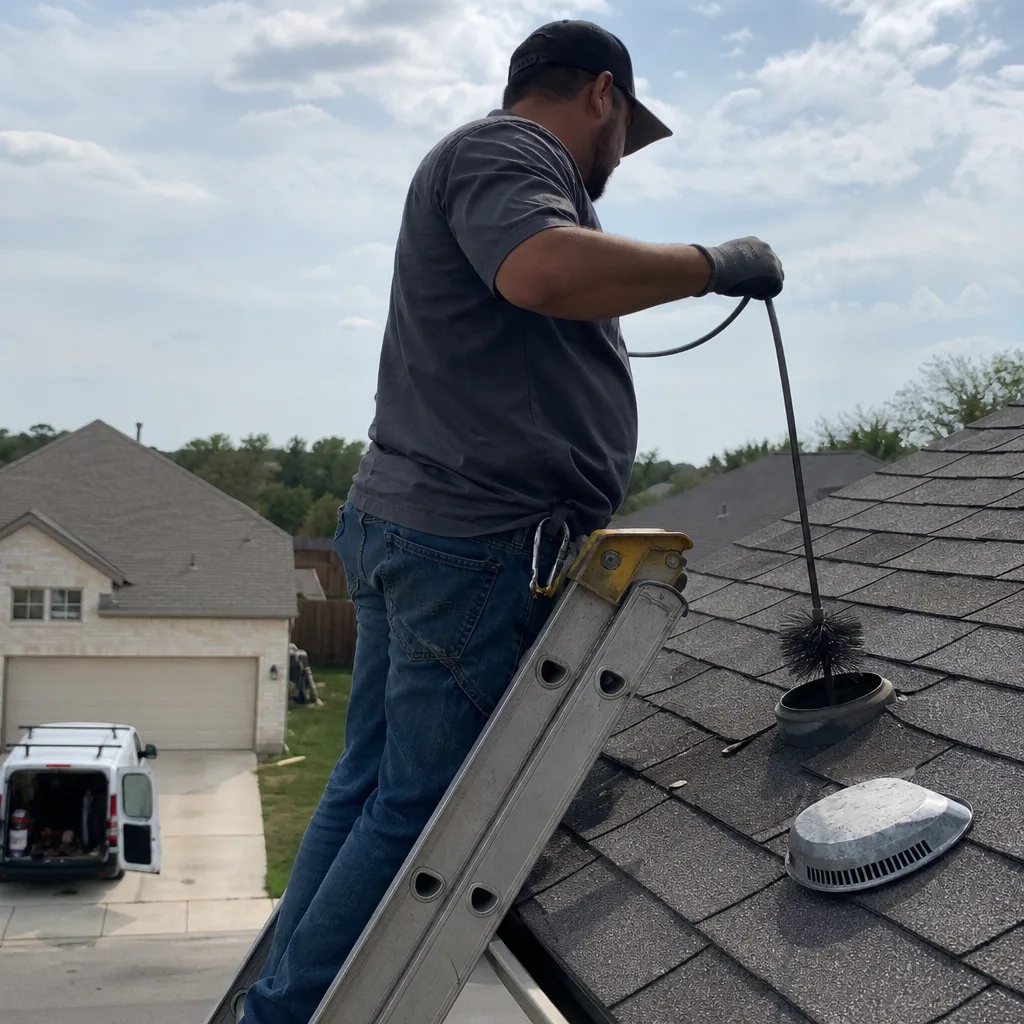
This section documents our standard deliverables so homeowners can compare specific service elements, not marketing claims.
Written price before work starts. Haven Standard Clause 1 requires a fixed, written price based on system configuration and condition observed during inspection. No per-vent pricing. No post-arrival upsells. The price is established before any panel is removed.
Documented Photo Record on Every Visit. Since our first job in 2013, we’ve photographed the inside of every duct run before and after cleaning. These images are delivered as part of the standard job record, not held for additional fee. Customers see what was in their system and what remains after service. In Alamo Heights, a customer used this record to document pre-existing conditions in a foundation dispute. In Stone Oak, an insurance claim for water damage was supported by dated photo documentation from a prior cleaning.
365-Day Done Right Promise. If the work is not right, we make it right. This is a written guarantee, not a policy subject to manager discretion. The terms are printed on every invoice. In 2023, we performed 23 callback visits under this promise, primarily for access panel seal verification and one instance of missed return duct cleaning due to attic access obstruction. Each was resolved at no charge within 48 hours.
Verified crew standards. Haven Standard Clause 3: Verified Crews. Technicians are background-checked, uniformed, and identified by name before arrival. License number is published and verifiable. Equipment roster includes Rotobrush, Nikro, Abatement Technologies, Honeywell, and Aprilaire - brands customers can research independently.
Free Second Opinion on Any Written Estimate. Bring a competitor’s written quote. CleanRun puts its own number next to it, itemized and fixed. This service exists because the San Antonio market contains significant pricing opacity, and informed comparison serves the customer.
Our Air Duct Cleaning in San Antonio service page details system-specific pricing for common configurations. Dryer Vent Cleaning in San Antonio addresses a related but distinct service with its own safety considerations. HVAC Cleaning in San Antonio covers coil, blower, and cabinet cleaning that extends beyond ductwork alone.
Common Mistakes to Avoid
- Assuming register cleanliness indicates duct cleanliness. The first 6 feet near registers often stay relatively clean due to continuous airflow; heavy accumulation forms at elbows, in sagging flex sections, and at the plenum where velocity drops. A clean register face reveals nothing about these hidden zones.
- Using compressed air without containment. Blasting debris with a compressor wand in an unsealed system redistributes contamination into living spaces. We’ve documented post-DIY particulate spikes in homes across Terrell Hills and Alamo Ranch where this approach was used.
- Ignoring flex duct damage in attics. San Antonio’s summer attic temperatures degrade flex duct connections. A brush or air tool that snags a loose connection can detach a run entirely, creating a conditioned-air leak into attic space that costs more in energy waste than any cleaning savings.
- Cleaning without addressing the source. If your system pulls return air through a garage, crawl space, or contaminated attic, duct cleaning is temporary. The debris source remains active. Professional assessment identifies these pathways; DIY cleaning misses them.
- Accepting per-vent pricing structures. This model incentivizes minimal work per opening and surprise charges. A 12-vent system quoted at $79 that becomes $79 per vent after arrival is a known industry pattern in San Antonio. Insist on whole-system pricing in writing.
- Skipping post-cleaning verification. Without documentation, you cannot confirm what was accomplished. The photo record, airflow measurement, or at minimum a written completion checklist provides accountability. CleanRun’s standard deliverable includes all three.
- Delaying professional service after failed DIY. Partial cleaning that disturbs debris without removing it often worsens air quality temporarily. If DIY results in visible dust release, musty odors, or system performance decline, schedule professional assessment promptly rather than waiting for conditions to “settle.”
When to Call a Professional
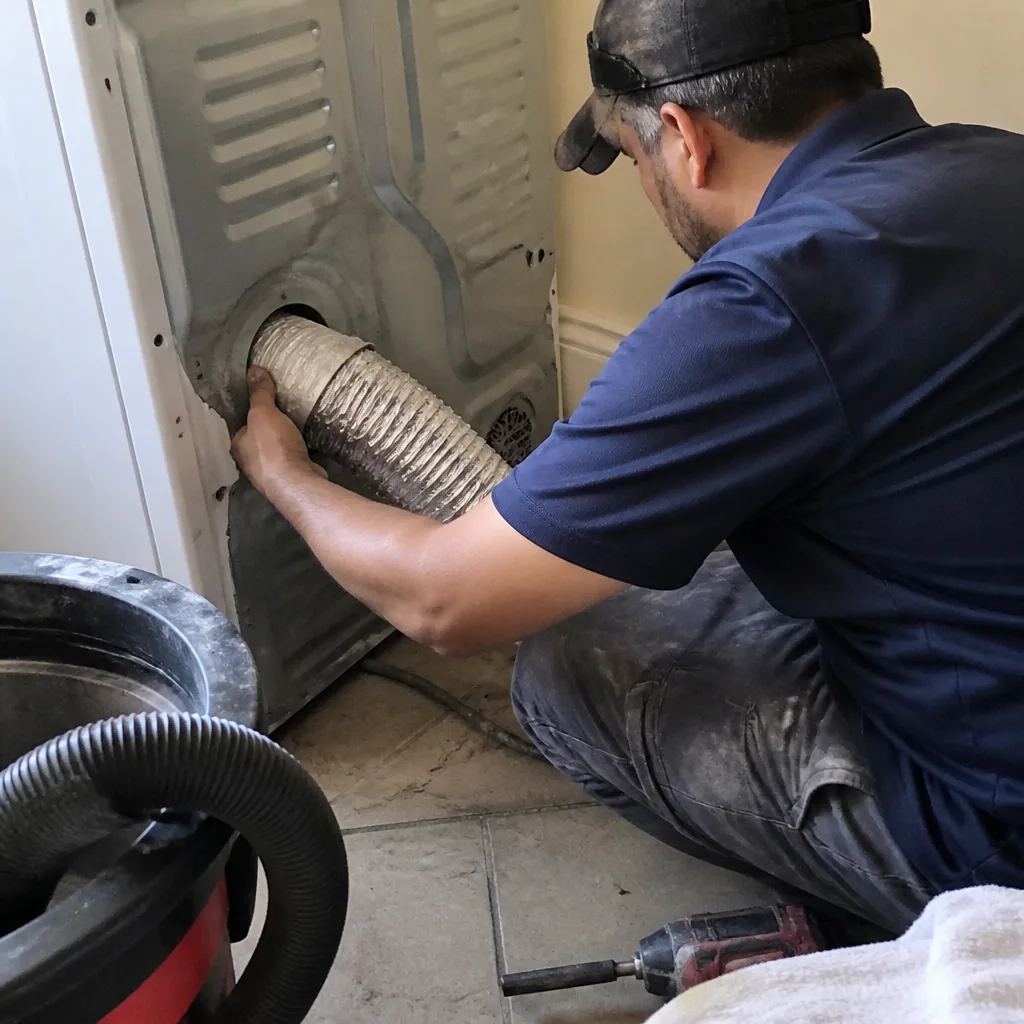
Call a professional when your system meets any of these thresholds: age over five years with no prior cleaning, visible debris beyond the register face, musty or chemical odors from vents, recent water intrusion or pest activity, known duct damage or deteriorating liner, or utility bills increasing without usage change. In San Antonio’s climate, these conditions develop faster than in drier regions due to humidity cycling and extended cooling seasons.
CleanRun Air Duct Cleaning San Antonio offers free estimates with written, fixed pricing before any work begins. Call (726) 600-7155 to schedule inspection. We’ll show you what your system contains, explain what it needs mechanically, and provide a price that doesn’t change when the truck arrives. For additional maintenance tips, explore our more guides & resources.
Frequently Asked Questions
Whole-system cleaning for a typical 2,000 square foot home ranges from $450 to $850, depending on duct configuration, accessibility, and condition. Systems with extensive flex duct in attics, multiple return pathways, or requiring coil and blower cleaning fall at the higher end. CleanRun provides a written, fixed price before work starts under Haven Standard Clause 1 - call (726) 600-7155 for an exact quote on your system.
Low advertised prices typically use a per-vent or per-room structure that expands dramatically at the job site, or they describe “cleaning” that consists of register vacuuming without system access. A legitimate whole-system cleaning requires 3 to 5 hours, negative-pressure HEPA equipment, and access to the plenum, coil, and blower. If a quote seems inconsistent with these requirements, request written scope detail before comparing prices.
Request before-and-after photography of every duct run, delivered as part of the standard job record. CleanRun has included this Documented Photo Record on every visit since 2013. Without visual documentation, you’re relying on the company’s assertion alone. The photo record also serves as dated evidence for real estate transactions, insurance claims, and warranty disputes.
Every 5 to 7 years for typical residential systems with regular filter changes and no special contamination sources. Homes with pets, smokers, recent renovation, or located near San Antonio’s construction zones or agricultural areas may need service every 3 to 4 years. Newer homes with sealed ductwork and high-efficiency filtration can extend to 8 to 10 years. The correct interval depends on system condition, not calendar dogma.
A shop vacuum cleans the first 6 to 10 feet of straight duct from the register face inward, which is adequate for surface maintenance on newer systems but cannot reach debris past the first elbow or address the plenum, coil, or blower. For systems over five years old, with visible deep debris, or in homes with flex duct runs exceeding 15 feet, professional equipment is necessary for effective extraction.
Yes. Pre-1980 homes in neighborhoods like Monte Vista and King William may have deteriorating fiberglass duct liner that tears under brush agitation, poorly sealed connections that allow debris escape into wall cavities, or asbestos-containing insulation that requires licensed abatement. Disturbing these conditions without professional assessment can increase contamination, create health hazards, and raise eventual remediation costs. Inspect visible duct lining with a flashlight before any DIY attempt; if you see pitting, discoloration, or loose fibers, stop and request professional assessment.
The Bottom Line
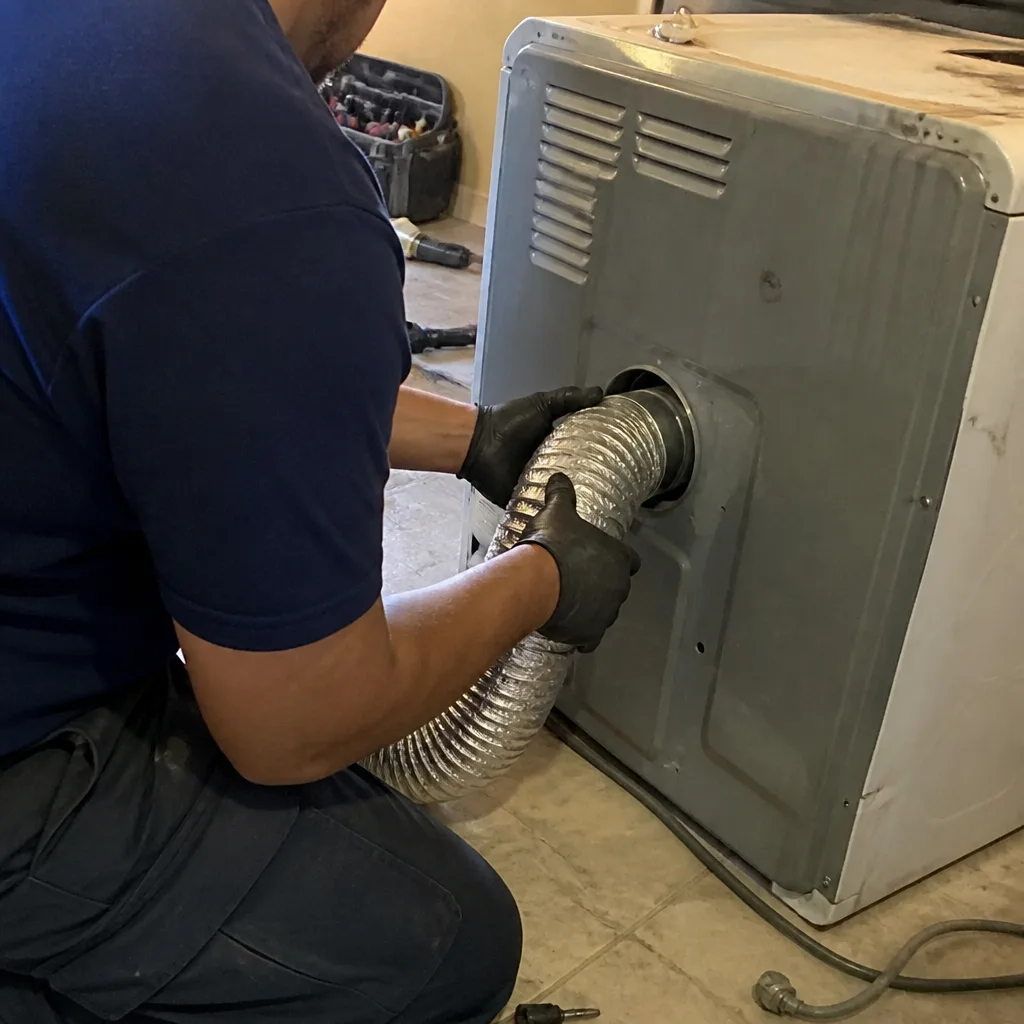
The DIY versus professional decision is not about price or preference. It is about mechanical match: what your duct system contains, where that material is located, and what tools can actually reach and remove it. DIY maintenance makes sense for surface cleaning on newer systems under the right conditions. Professional service becomes necessary when debris has accumulated past reachable zones, when duct condition creates damage risk, or when documentation and accountability matter. In San Antonio’s climate and housing stock, many systems cross this threshold between years five and eight. The honest evaluation requires looking past the register face to what the camera reveals at the first elbow and beyond.
Written by Tomas Reyes, Owner at CleanRun Air Duct Cleaning San Antonio, serving San Antonio since 2013.