
Whole-system duct and dryer vent check with before-and-after photos - you see exactly what came out of your vents
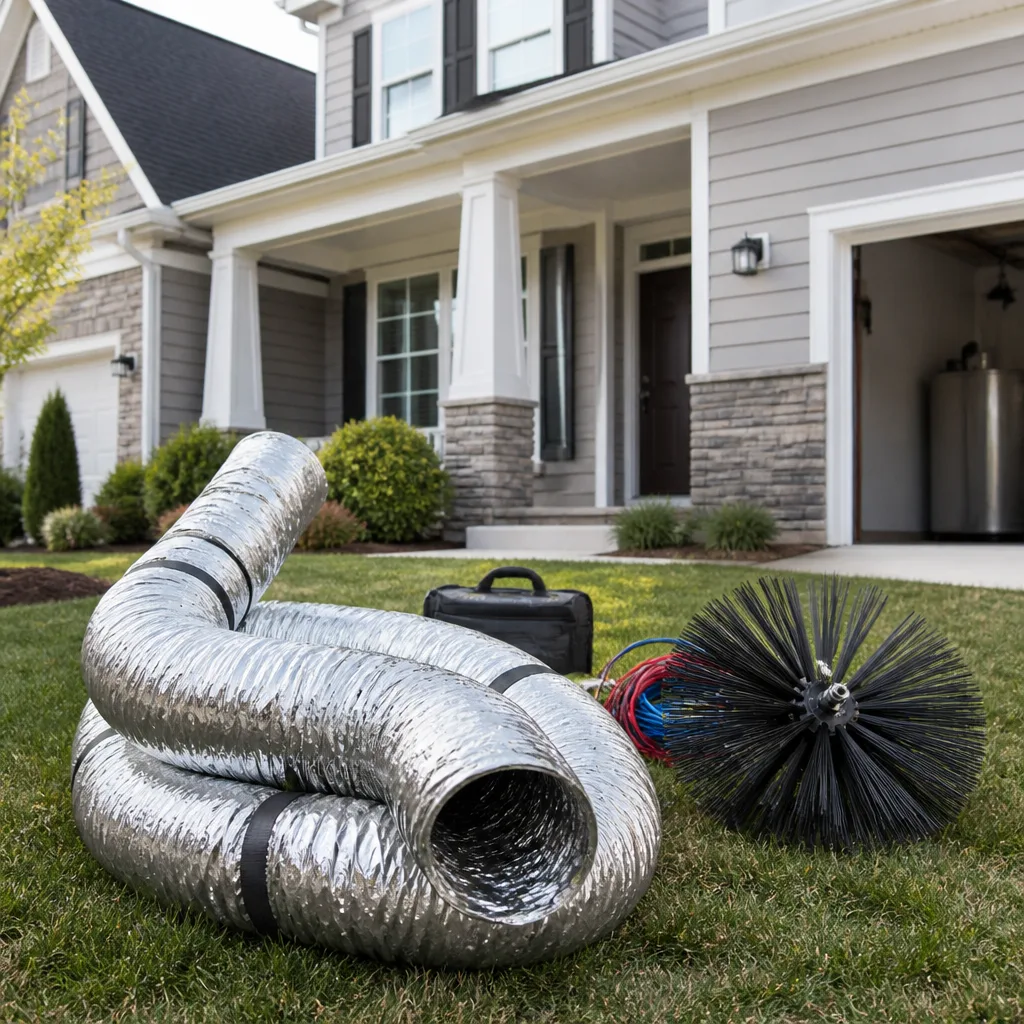
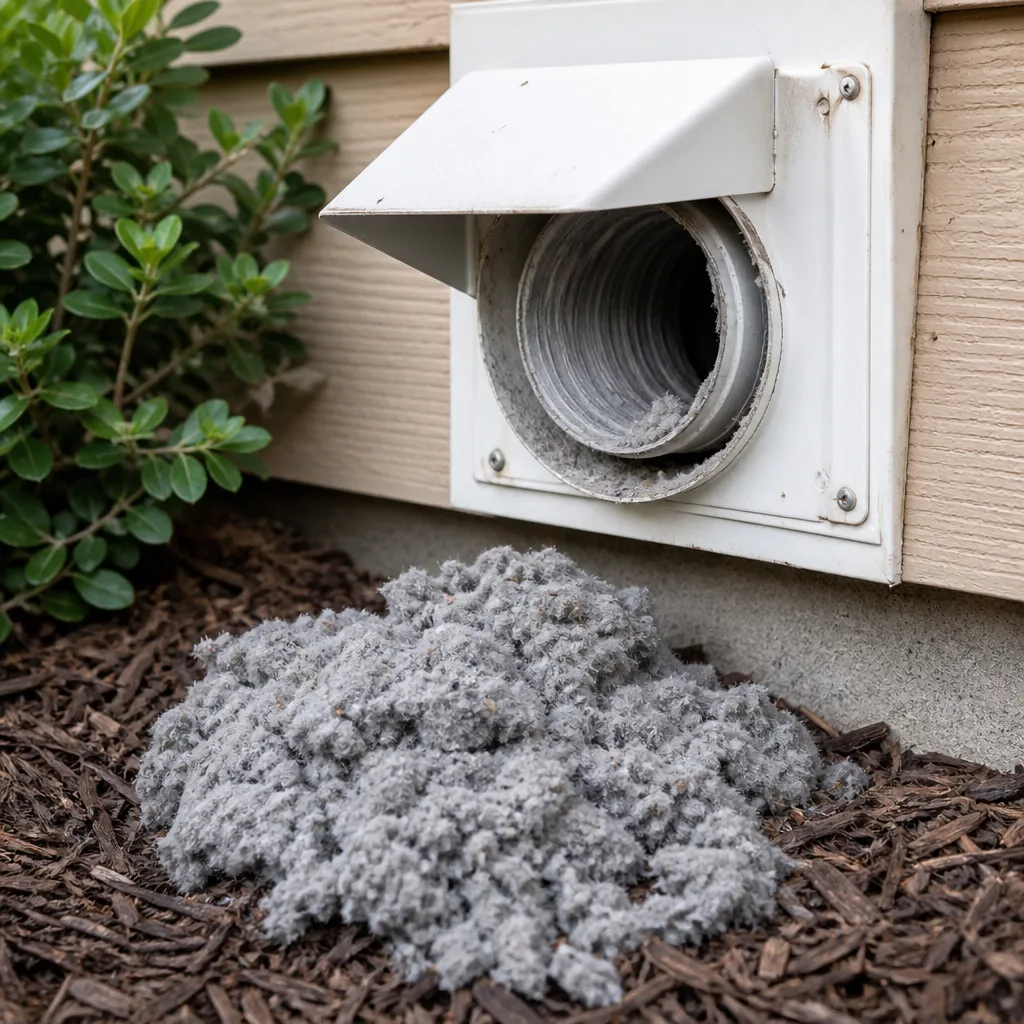
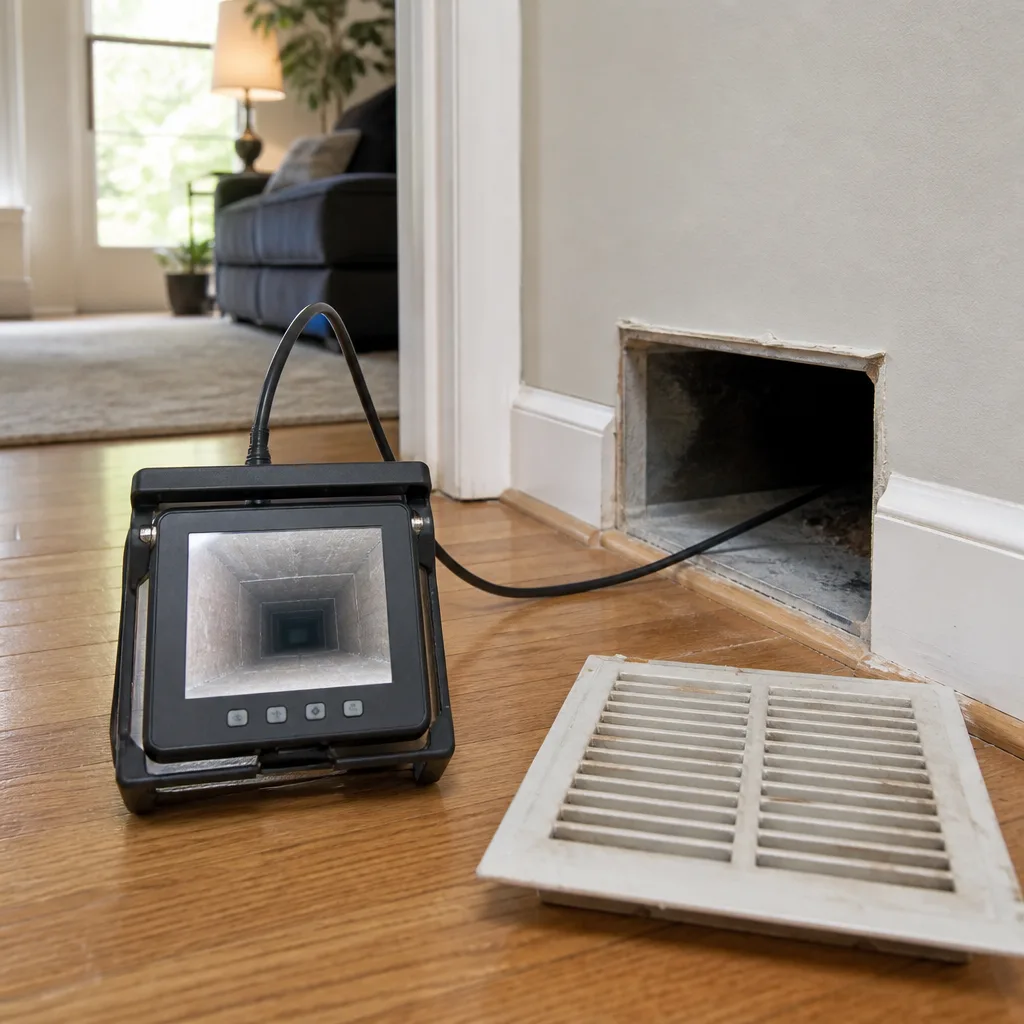
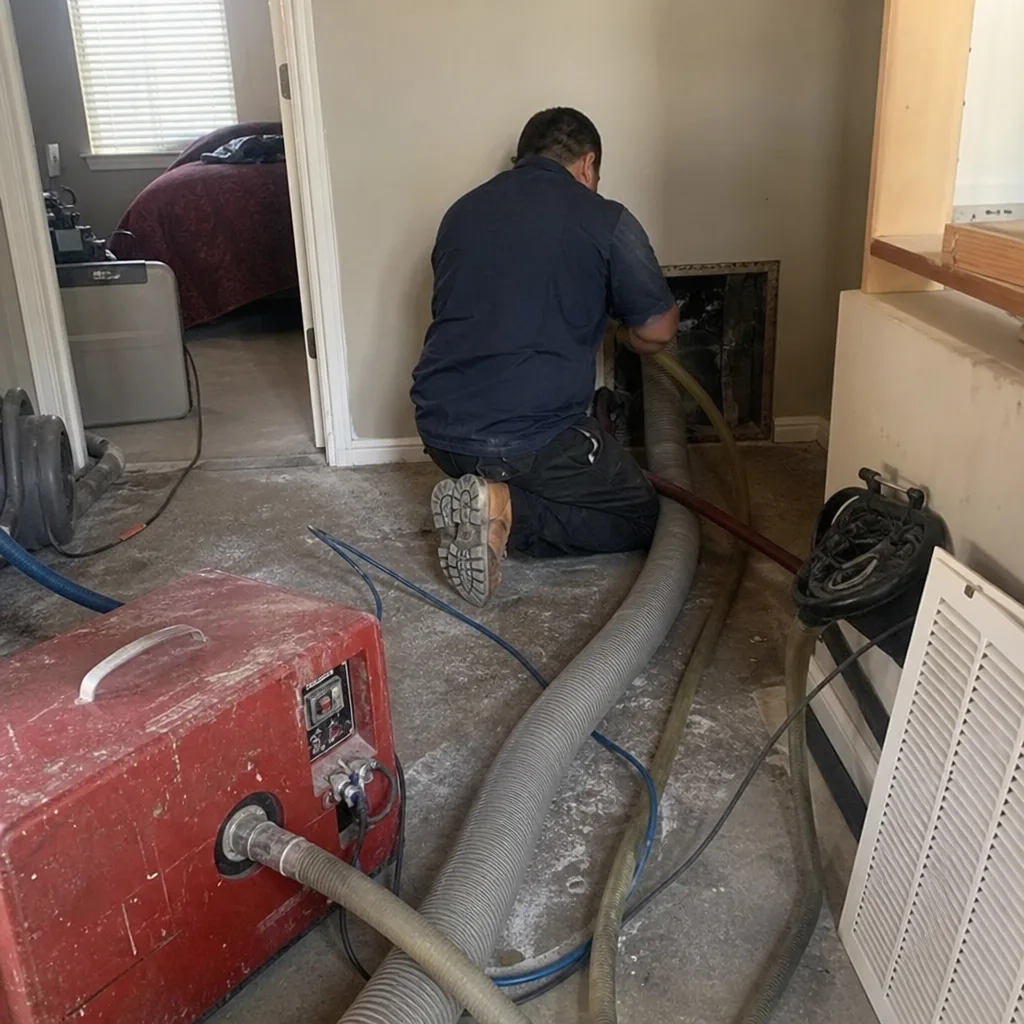
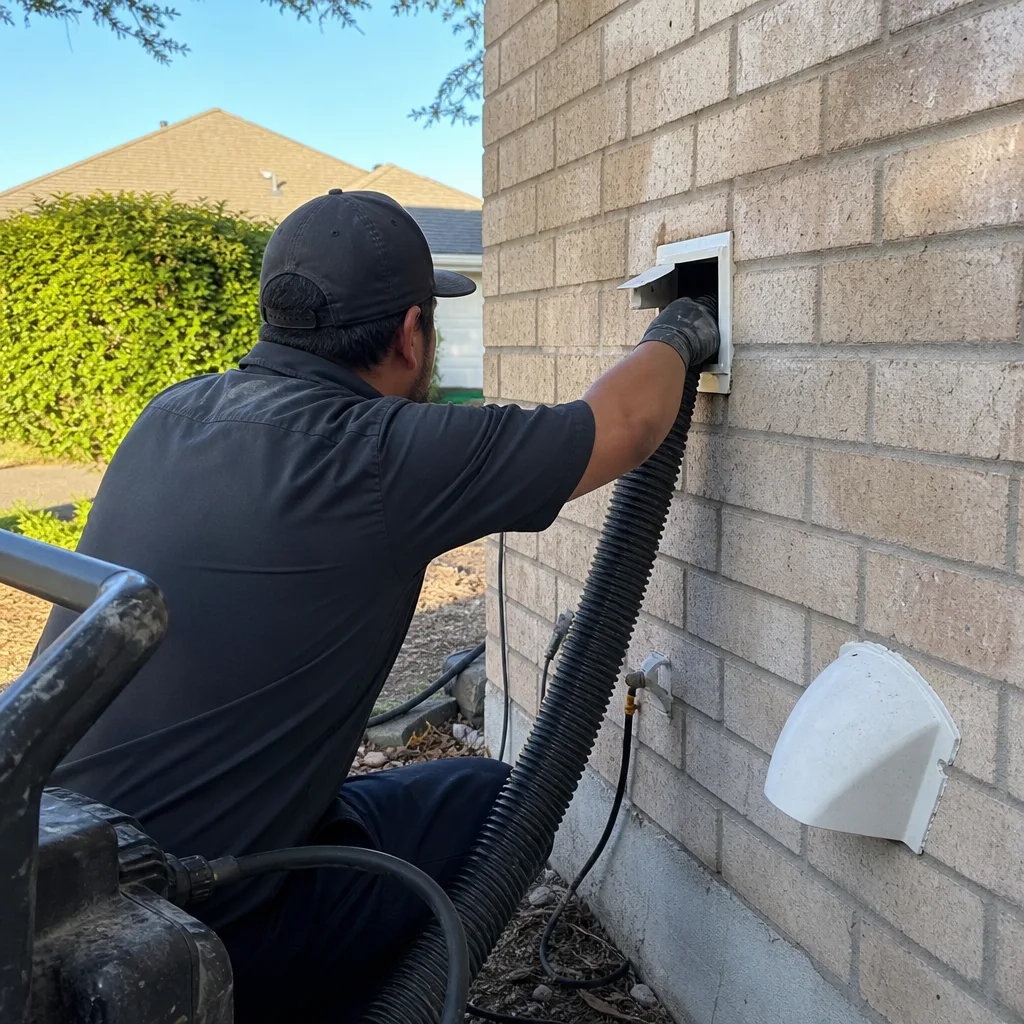
That "$99 whole-house special" is a bait ad - the real number appears once they are in your hallway, or the "clean" is a shop-vac at the register. We photograph the inside of your ducts before and after instead.

 Before
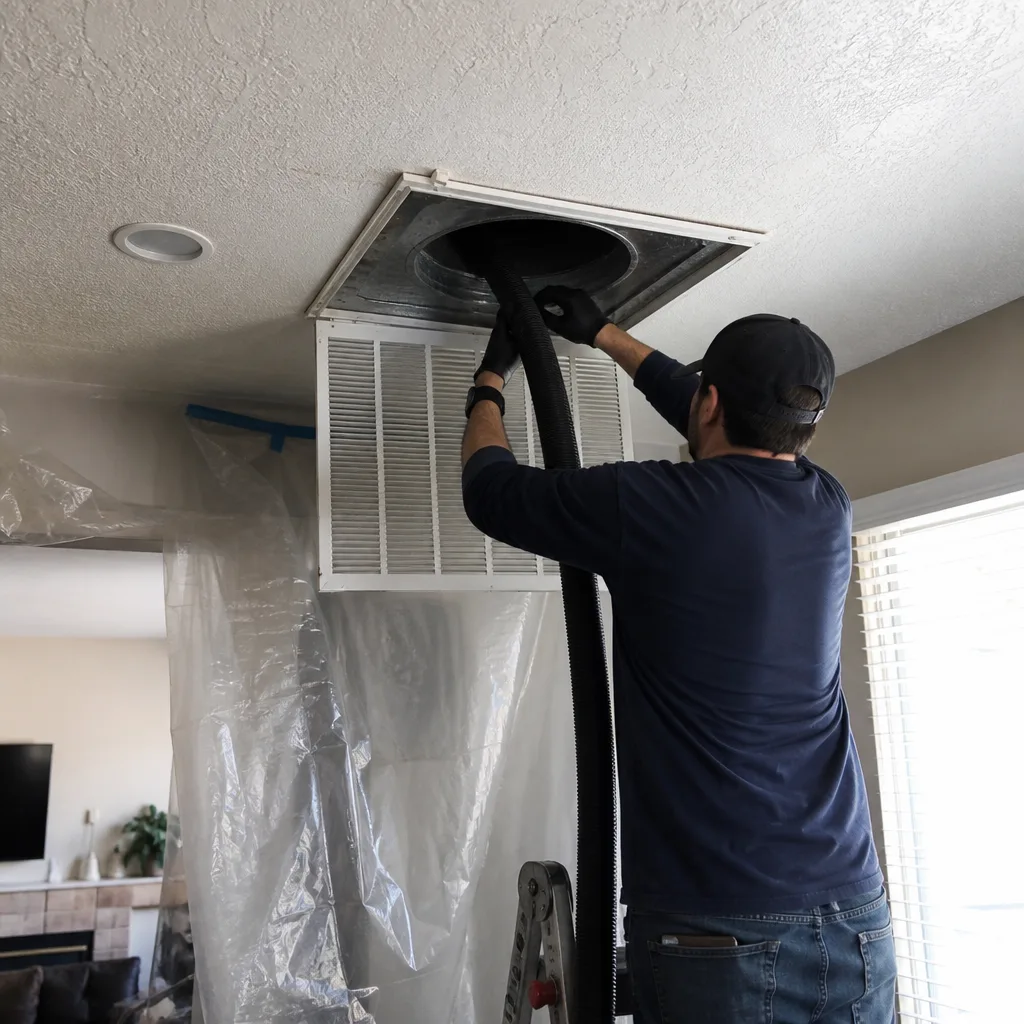 After
After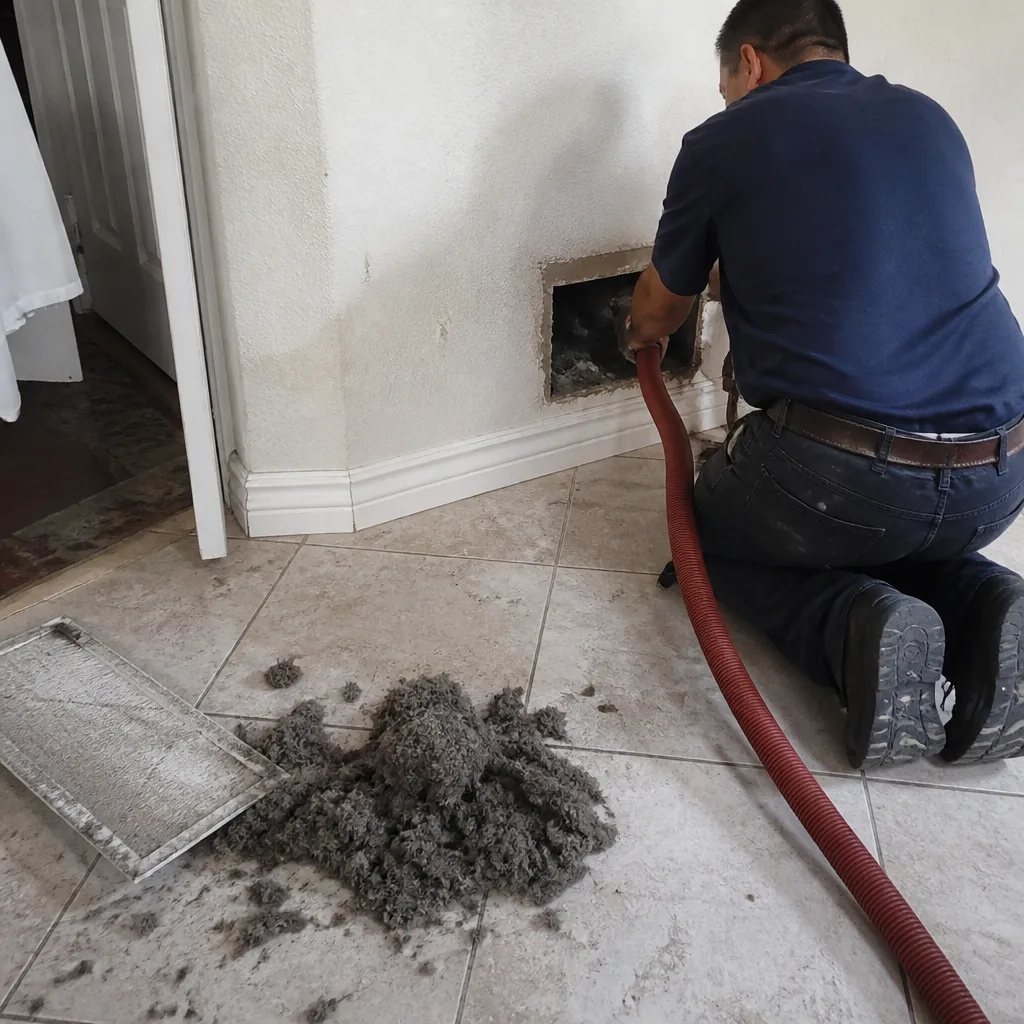 Before
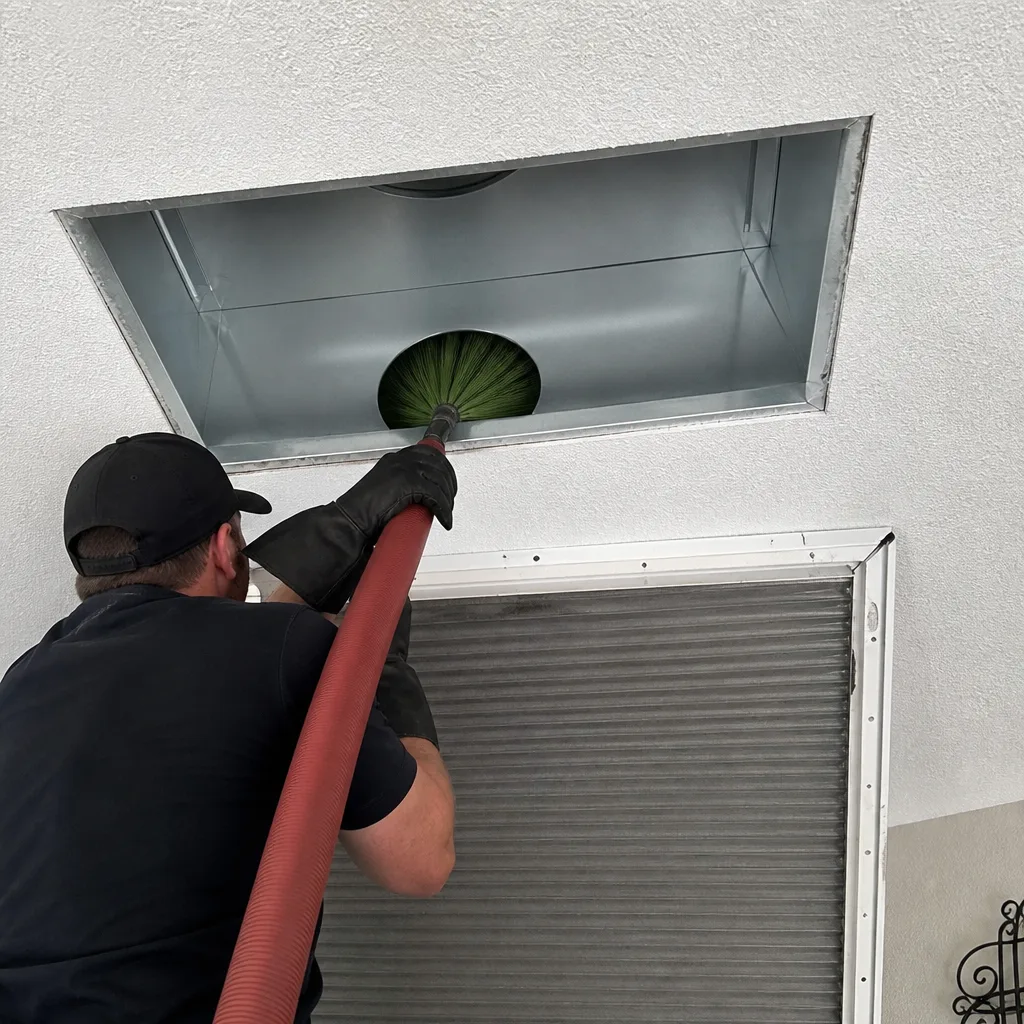 After
After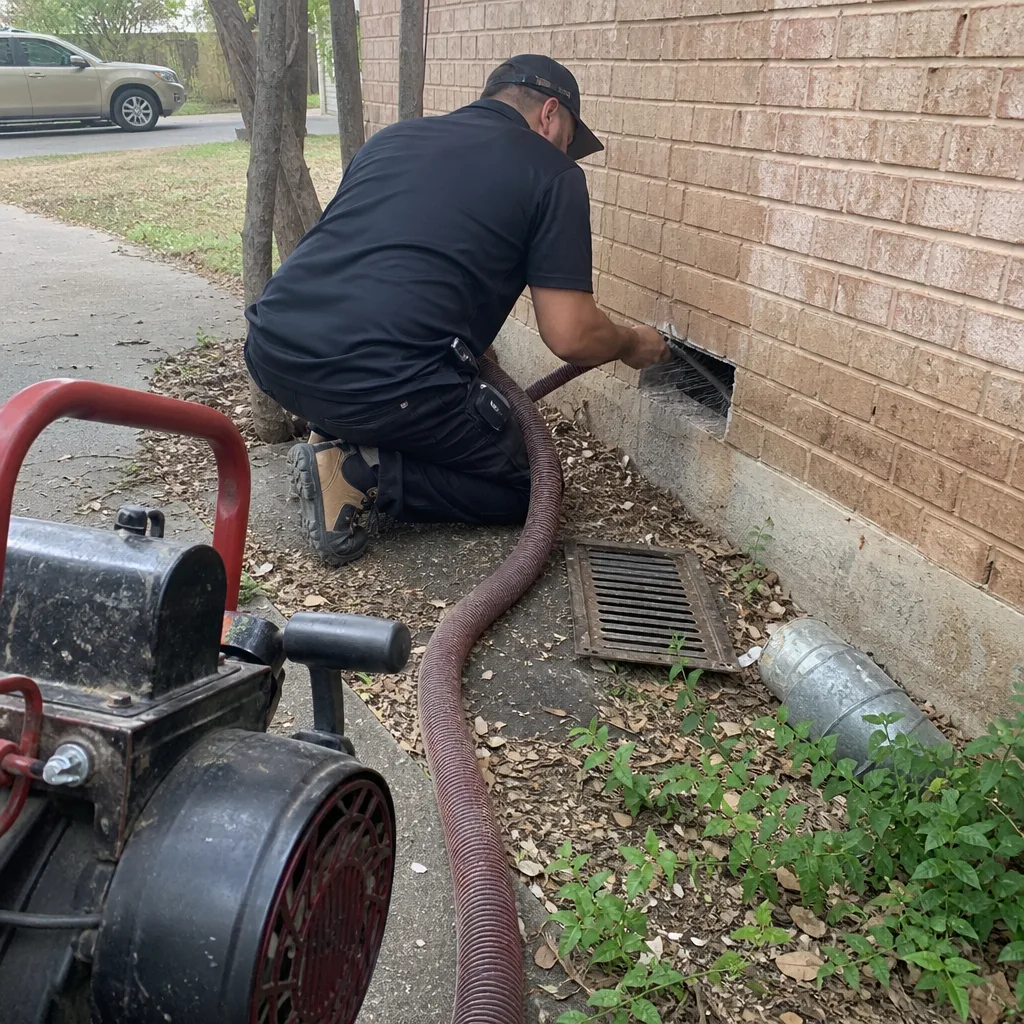 Before
 After
AfterNikro Vent Sanitizing: The San Antonio Owner’s Guide
We stock and install Nikro-compatible vent sanitizing equipment for San Antonio homeowners, with typical installed pricing between $340 and $620 depending on system size and existing duct configuration. Most Nikro sanitizing jobs we schedule in Stone Oak, Alamo Heights, or the Medical Center corridor are completed in a single visit. The camera goes in first. Then we talk.
Homeowners usually discover their Nikro vent sanitizing system needs attention when the musty smell returns within days of a standard cleaning, or when a post-cleaning camera inspection shows microbial staining still clinging to the duct walls despite the vacuum pass. In San Antonio’s humidity, that’s often the first signal that the sanitizing component, not the extraction, is the weak point.
Which Nikro Models This Applies To
CleanRun Air Duct Cleaning San Antonio is an independent service provider, not affiliated with Nikro. We service and stock parts for Nikro’s vent sanitizing line, including the SL4000 series fogging units, the PG5000 portable generation systems, and the older HG3000 homeowner-grade units still common in tract homes built between 2015 and 2019 near Stone Oak and Cibolo Canyons.
To identify your unit, check the metal data plate on the compressor housing for the model prefix. SL-series units use a 1.5-gallon reservoir with a 12-volt DC pump; PG-series units run on 120V AC with a 2.5-gallon tank and interchangeable nozzle tree. The HG3000 uses a fixed brass nozzle that cannot be retrofitted to newer standards. We carry OEM Nikro reservoirs and pumps, plus quality aftermarket equivalents from Guardsman that match OEM pressure specs at a lower parts cost. For HG3000 owners, we typically recommend upgrading to the SL4000 rather than chasing discontinued parts, a trade-off we document in writing before any work starts.
Signs Your Nikro Vent Sanitizing Is Failing
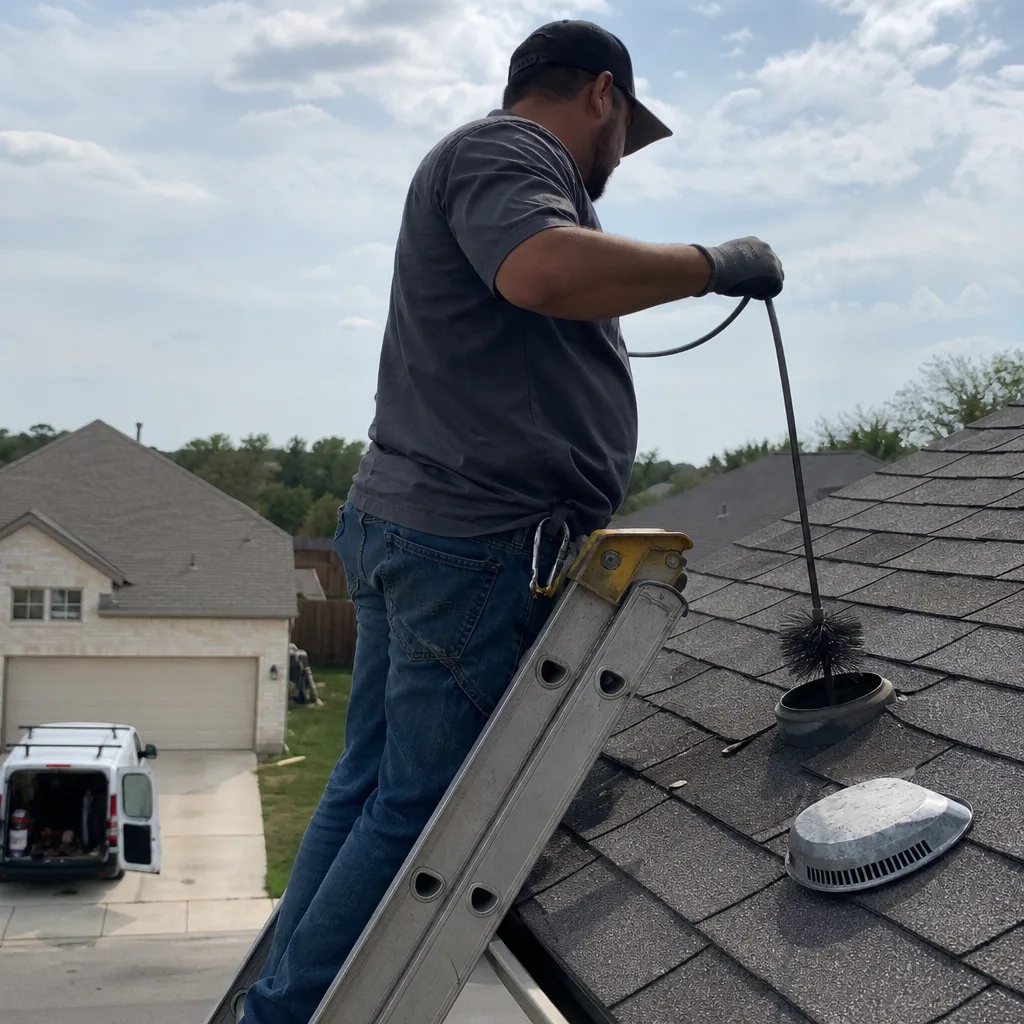
- Odor returns within 48-72 hours of cleaning. This points to insufficient sanitizer dwell time or a clogged nozzle producing droplets too large to adhere to duct walls. In San Antonio’s 70%+ summer humidity, large droplets run off before they can neutralize microbial growth.
- Visible wet spots on registers but dry duct interiors beyond the first elbow. The pump is generating pressure, but the nozzle orifice is worn or the check valve is leaking back into the reservoir. We see this most often on PG5000 units that have run sanitizer with suspended particulate, which scores the nozzle bore.
- Unit runs but output smells like plain water, not the registered sanitizer solution. The metering tip inside the reservoir cap may be cracked, or the pickup tube has detached from the pump inlet. Both are common after the unit tips during transport in a service van, or after a homeowner moves the unit between rooms.
- Compressor cycles on and off rapidly without building steady pressure. The pressure switch diaphragm has fatigued, or the head gasket is weeping. On SL4000 units, this often follows winter storage in an unconditioned garage, where freeze-thaw cycles harden the rubber components.
- Sanitizer residue crystallizes in the tank between uses. This is user error, not equipment failure, but it destroys the pump if run dry. We show customers the correct dilution ratio, document it on the job sheet, and stock replacement pumps for units that have already been damaged.
BeforeAfterReplacement Cost & What’s Included
| Component | Parts Range | Installed Total |
|---|---|---|
| Nozzle / orifice kit (OEM) | $45 - $78 | $180 - $240 |
| Pump assembly (aftermarket Guardsman) | $85 - $120 | $240 - $340 |
| Reservoir + pump + nozzle (full refresh) | $160 - $220 | $340 - $480 |
| Pressure switch / electrical component | $55 - $95 | $200 - $290 |
| Full unit replacement (SL4000 or PG5000) | $280 - $420 | $480 - $620 |
Pricing varies with duct system complexity. A single-zone home in Terrell Hills with accessible registers takes less labor than a multi-story install in The Dominion with hard-to-reach plenum access. Every quote is written and delivered before work starts, per Haven Standard Clause 1. The 365-Day Done Right Promise covers all installed components. We also stock parts for Lennox, Trane, and Carrier sanitizing systems, though this page focuses on Nikro compatibility.
DIY or Call Us?
What you can safely check: verify the unit is plugged into a grounded outlet, confirm the reservoir has fresh solution mixed to the manufacturer’s dilution, and inspect the pickup tube for kinks or detachment. These three checks resolve about 30% of the calls we receive.
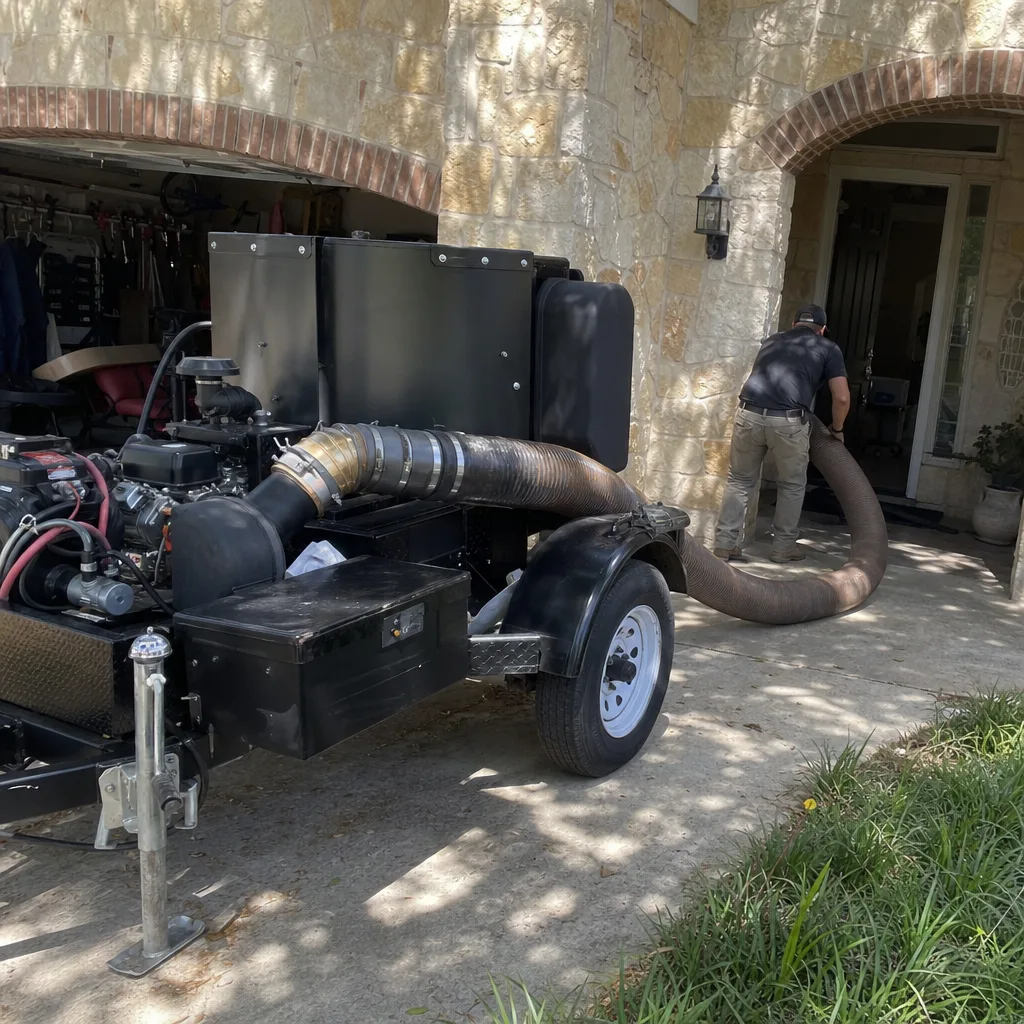
Where DIY goes wrong: the pump head and pressure switch involve electrical components and chemical exposure risk. Opening the compressor housing without relieving pressure can spray concentrated sanitizer into eyes or lungs. We do not recommend disassembling the pump or electrical enclosure. If the basic checks don’t restore output, the unit needs bench testing with a pressure gauge and calibrated orifice, tools we carry on every San Antonio service truck.
Call (726) 600-7155 and we’ll bring the test equipment to you, document the findings with photos, and put the repair or replacement price in writing before any work begins.
FAQs
In San Antonio’s climate, a properly maintained Nikro unit typically lasts 5 to 8 years. The humidity accelerates corrosion on electrical contacts, and hard water mineral content in areas fed by the Edwards Aquifer can scale the reservoir and pump head. Annual flushing with distilled water extends service life by 2 to 3 years. Call (726) 600-7155 for an exact assessment of your unit’s condition.
Most failures are component-level: nozzle, pump, or pressure switch. We repair these in the field and document the work with before-and-after photos. Full replacement is only necessary when the compressor housing is cracked, the electrical enclosure is corroded, or the unit is an HG3000 with discontinued parts. We put both options in writing so you can compare.
A single component replacement takes 45 to 90 minutes, including system testing and photo documentation. A full unit replacement runs 2 to 3 hours, depending on how the existing unit is mounted and whether the duct configuration requires re-balancing after installation. We schedule these as half-day appointments, never rushed.
Yes. We carry SL4000 and PG5000 nozzles, pump assemblies, pressure switches, and reservoir caps on every service vehicle. For HG3000 units, we stock the limited aftermarket parts still available and can order OEM components with a 3 to 5 day lead time if preferred. Every part is verified against your unit’s data plate before installation.
Written by Tomas Reyes, Owner, CleanRun Air Duct Cleaning San Antonio at CleanRun Air Duct Cleaning San Antonio, serving San Antonio and nearby areas.