
Whole-system duct and dryer vent check with before-and-after photos - you see exactly what came out of your vents
That "$99 whole-house special" is a bait ad - the real number appears once they are in your hallway, or the "clean" is a shop-vac at the register. We photograph the inside of your ducts before and after instead.
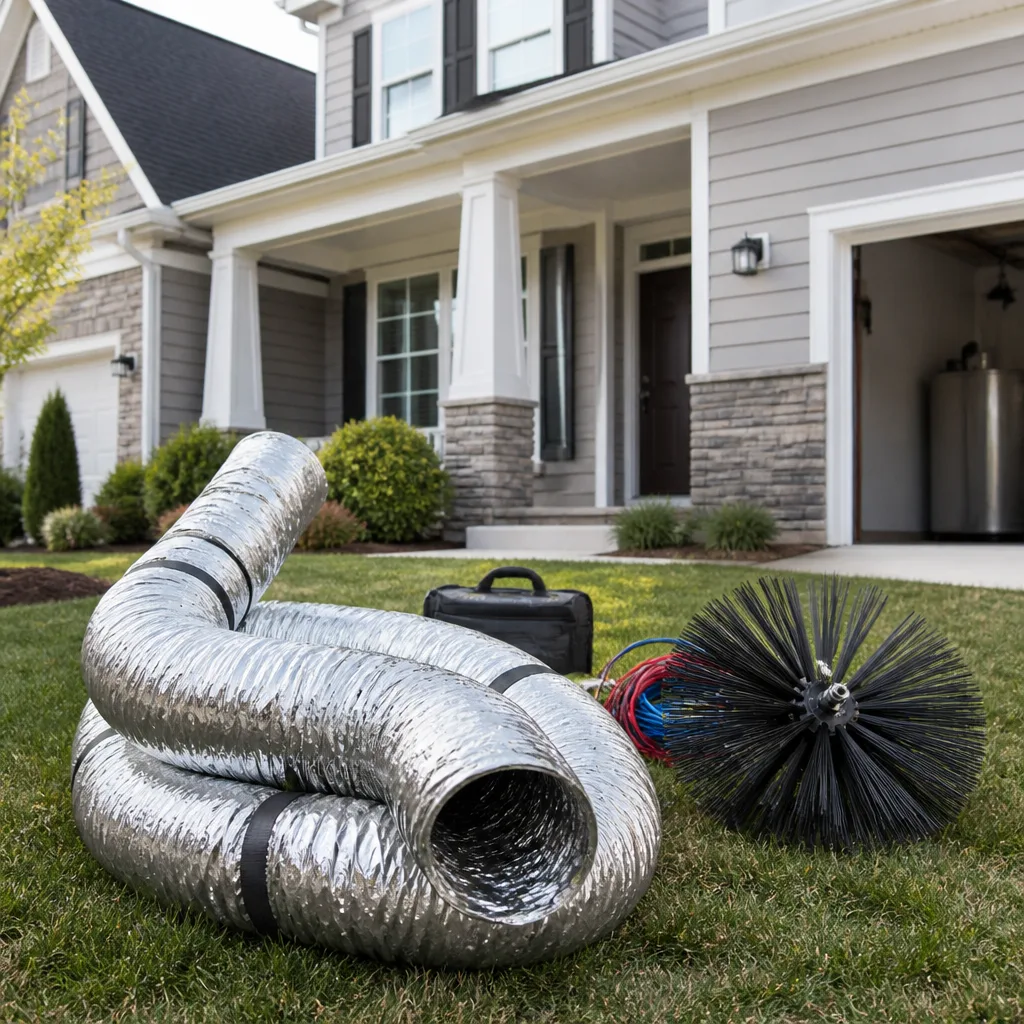
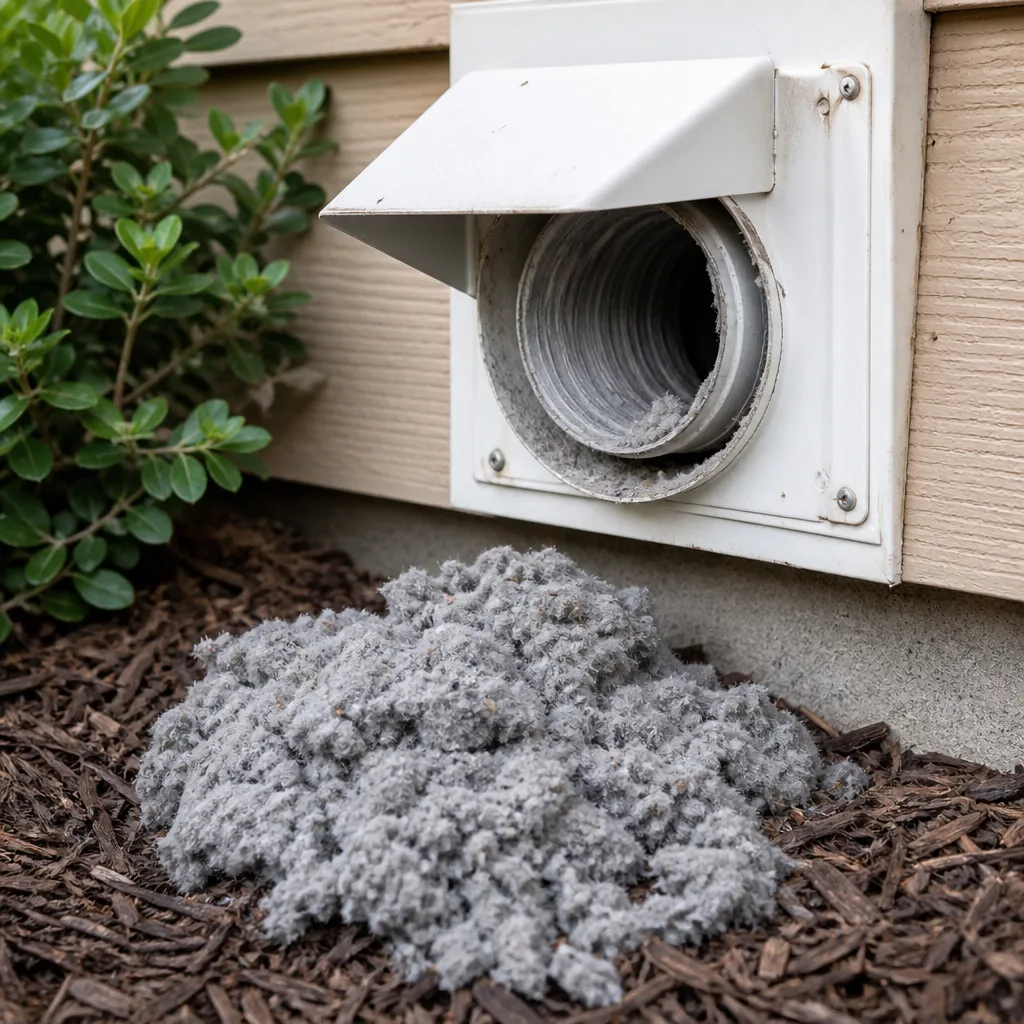
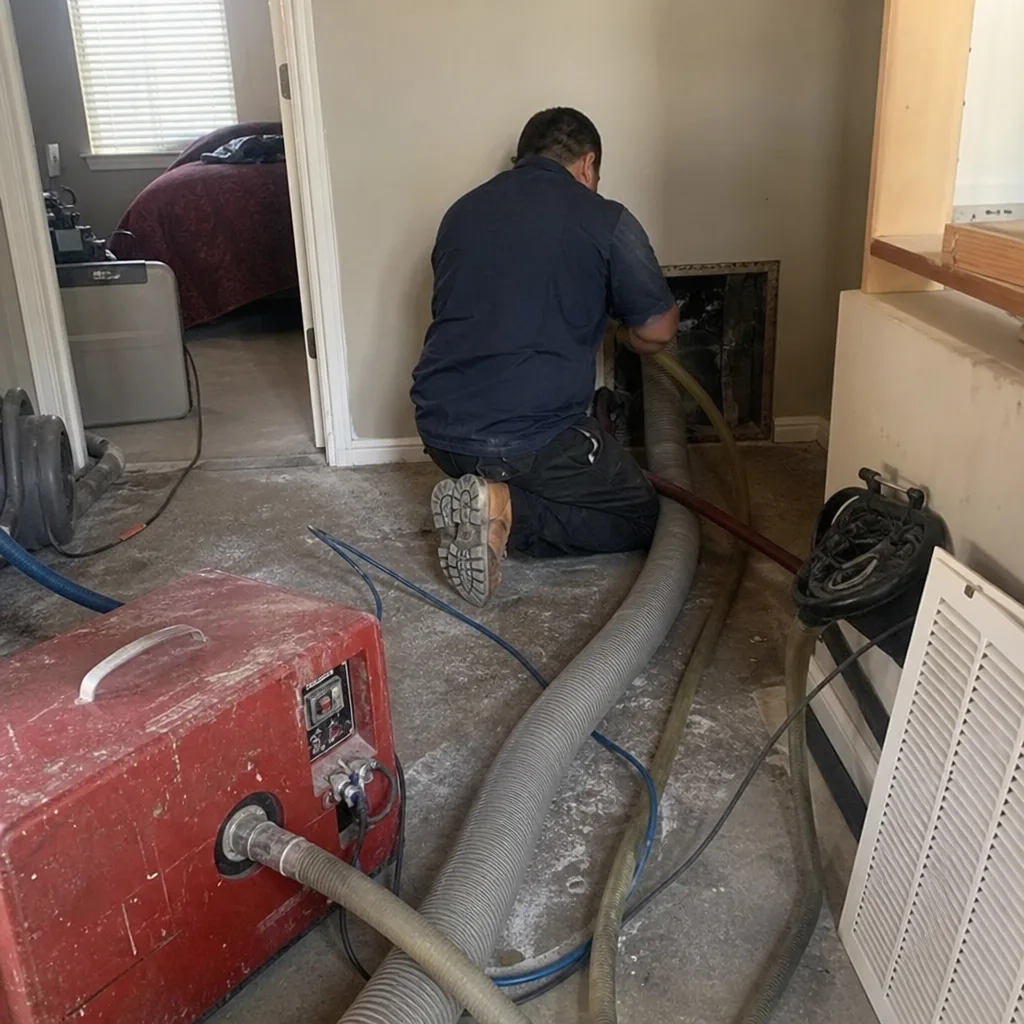 Before
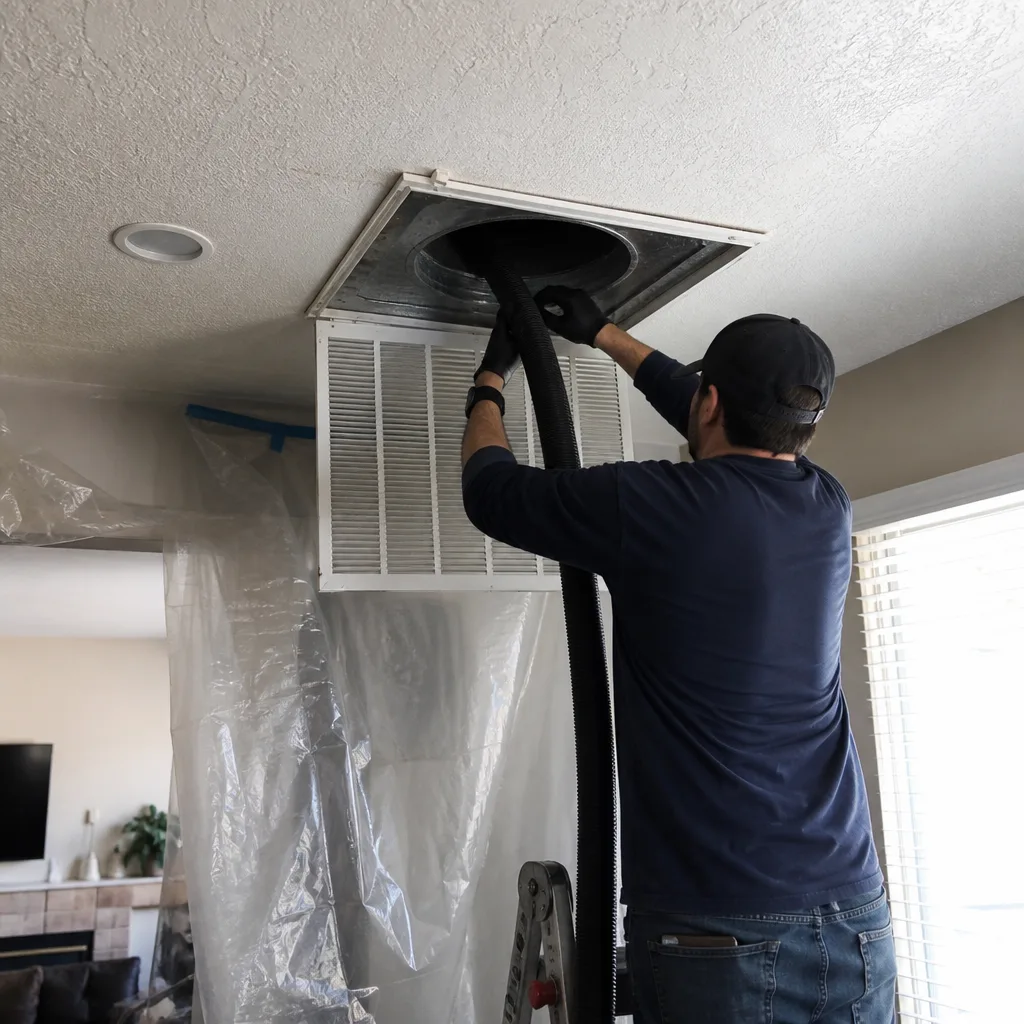 After
After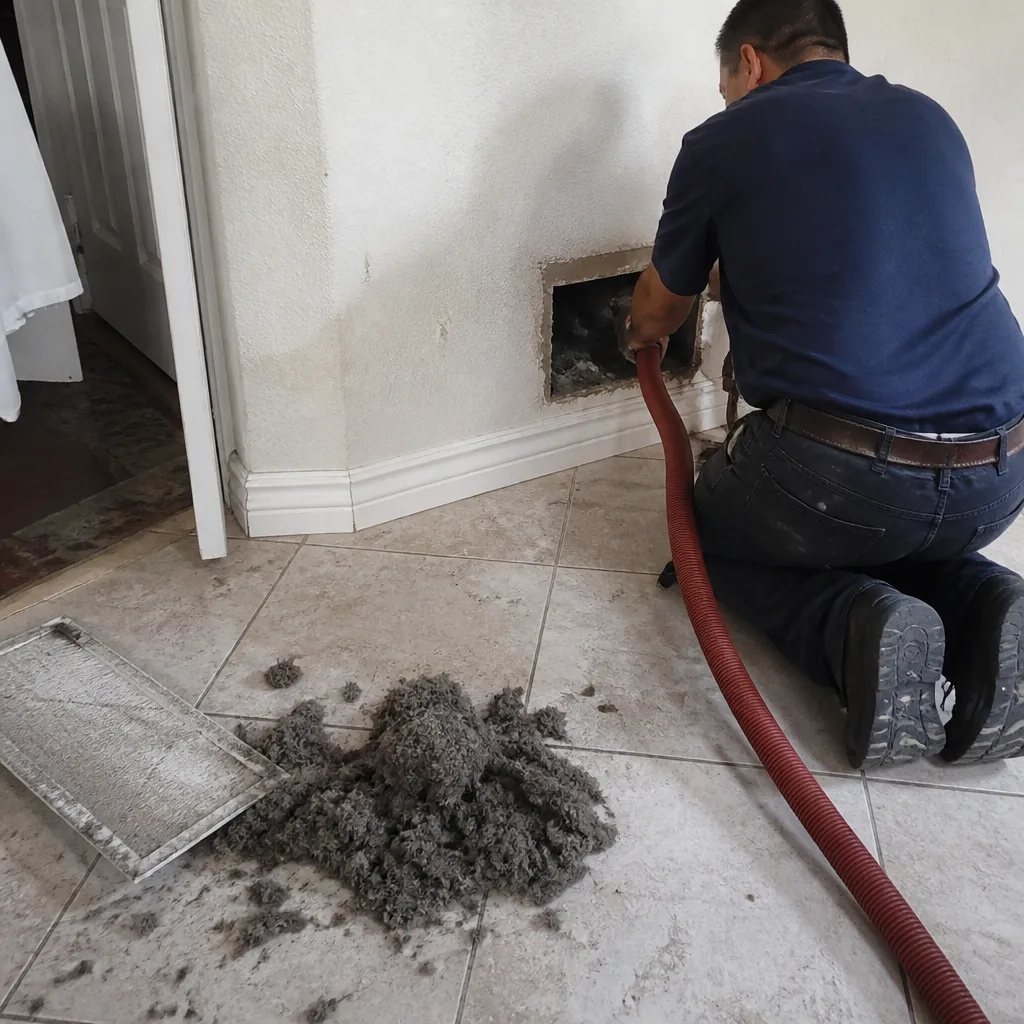 Before
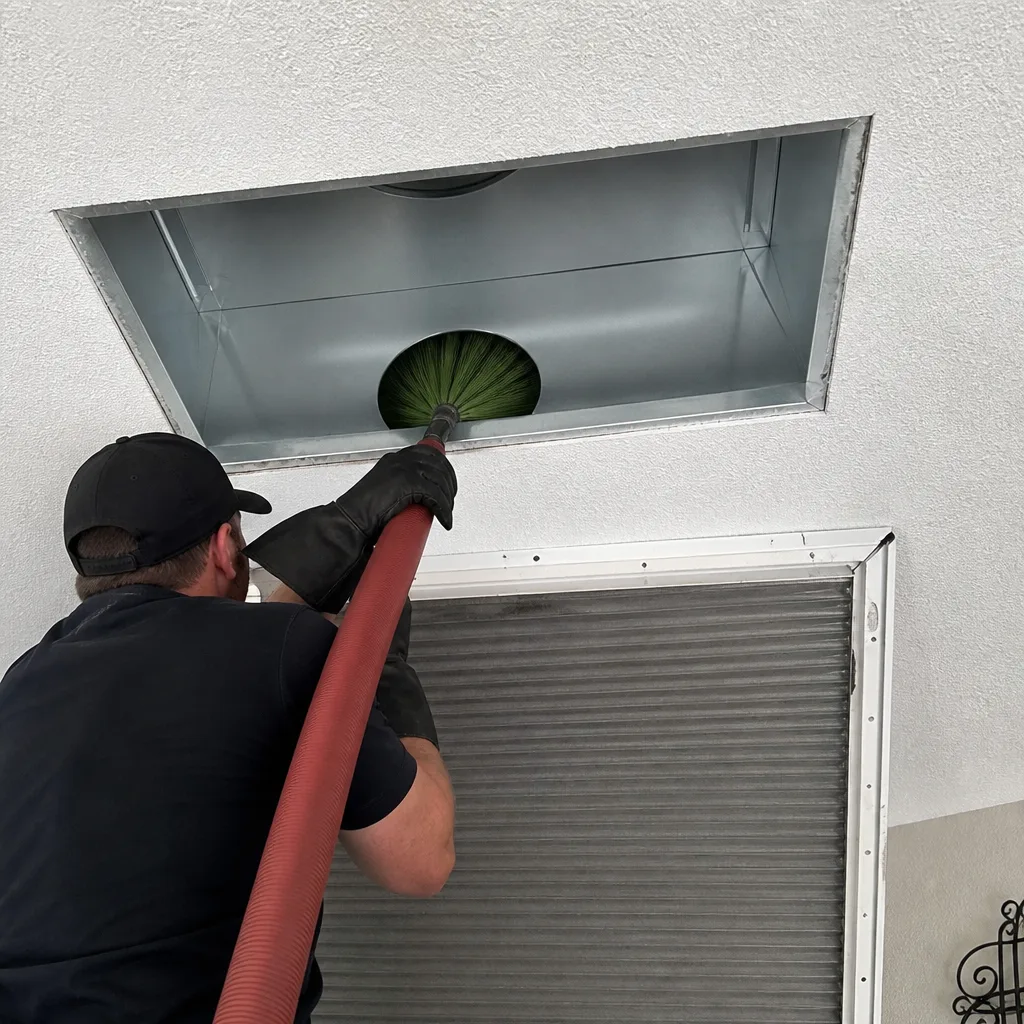 After
After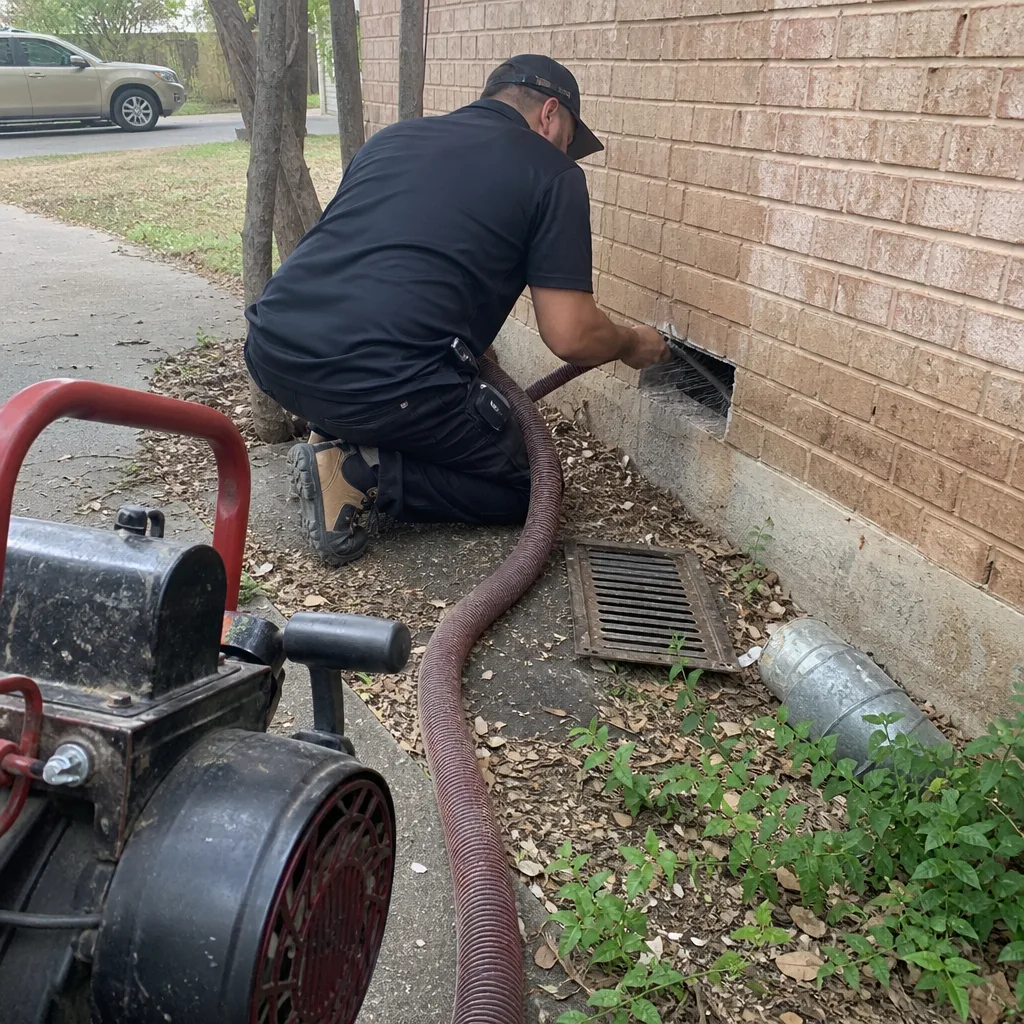 Before
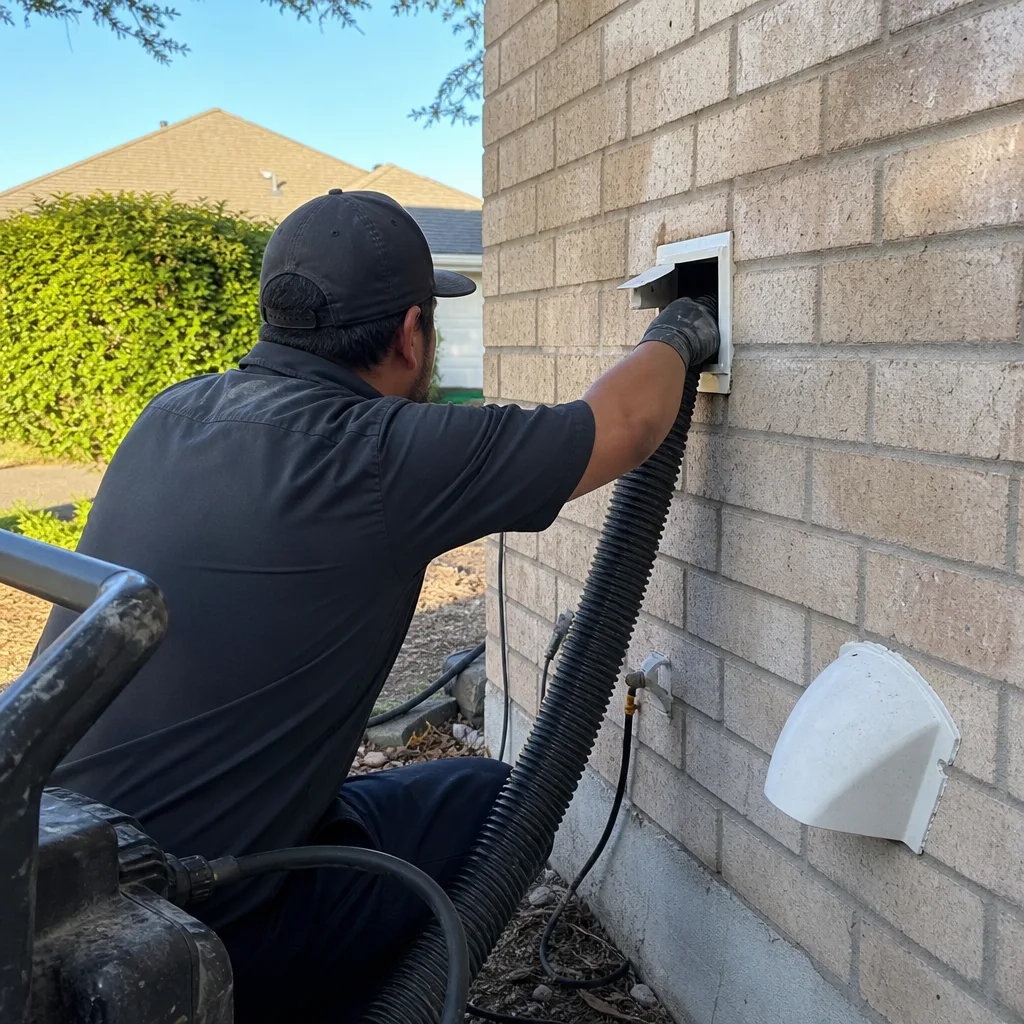 After
AfterVideo Inspection in San Antonio, TX
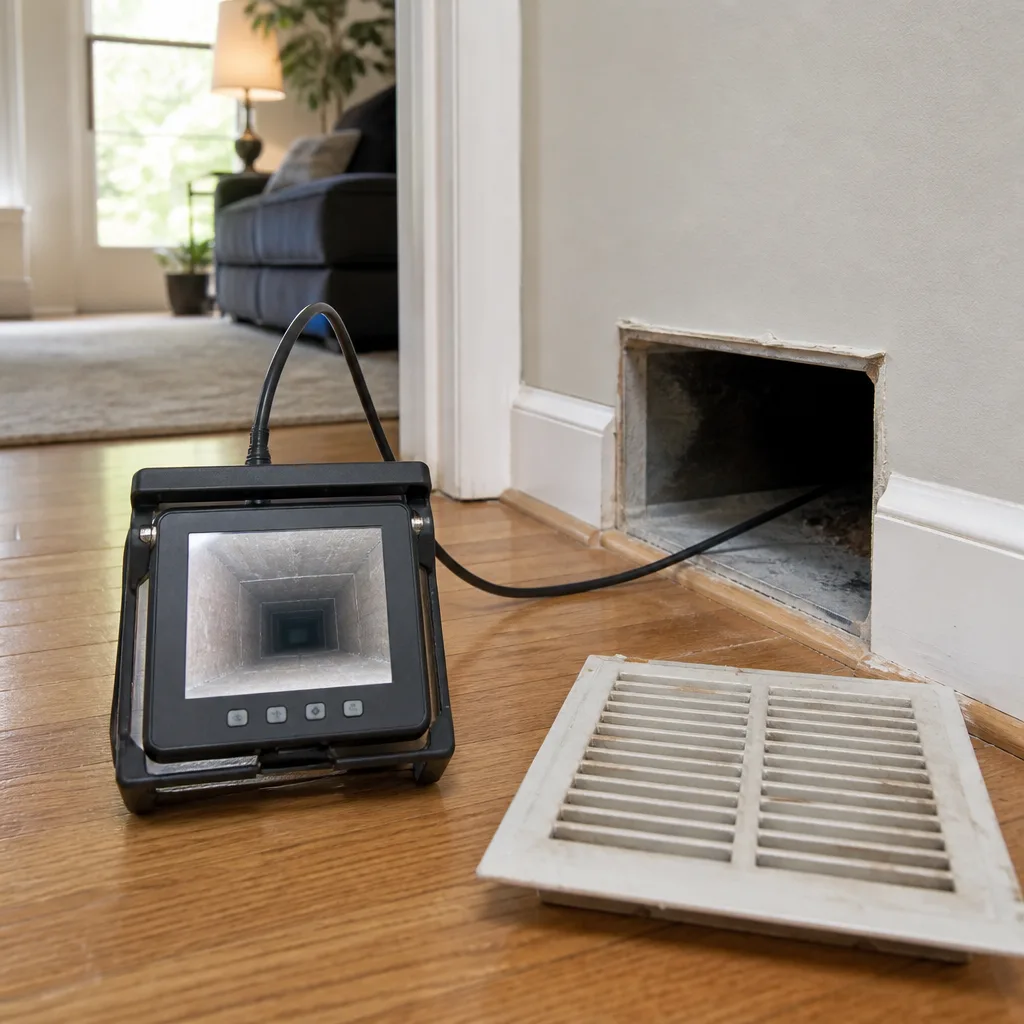
Duct video inspection means running a small camera through your supply and return duct runs so you can see, on a screen, exactly what is inside them before anyone proposes cleaning, repair, or anything else. In San Antonio, where homes built between the 1970s and early 2000s routinely hide collapsed flex duct, pest intrusion, and decade-old debris behind sealed registers, a camera is the only honest starting point. CleanRun Duct Repair & Cleaning has photographed and recorded the interior of duct systems across San Antonio since 2013, and every inspection produces a documented photo record you keep – not a verbal description of what we think we saw. If you need Air Duct Cleaning services, the inspection comes first.
If you want to know what is actually inside your ducts before you spend a dollar on cleaning or repairs, call (726) 600-7155. A live person answers every call. Our written price is delivered before any work starts – that is Haven Standard Clause 1, and it applies without exception.
Video inspection is a sub-service of our full Air Duct Cleaning in San Antonio offering. Some customers request it as a standalone diagnostic; others get it bundled into a full cleaning job so the before and after footage lives in the same job record. Either way, the camera goes in, the footage is captured, and you receive the record.
When You Need Video Inspection
Not every duct system broadcasts its problems through the registers. A camera is the right call when the evidence is ambiguous or when the stakes of guessing wrong are high. These are the situations we see most often in San Antonio homes:
- You received a $79 coupon cleaning and something still smells off. Shop-vac-style cleanings frequently miss debris packed into elbows and plenums. A camera confirms whether the runs were actually cleared or just agitated.
- Your home was built before 1990. Older San Antonio construction – particularly in neighborhoods like Alamo Heights, Monte Vista, and Terrell Hills – often contains original galvanized steel duct that has corroded, separated at joints, or accumulated 30-plus years of particulate that no one has ever photographed.
- You are seeing unexplained dust return shortly after cleaning. When registers re-coat with dust within weeks of a cleaning, the camera typically finds a breach in the duct wall – a gap drawing unconditioned attic air and the debris it carries directly into the system.
- A pest control company has confirmed or suspected rodent activity. In San Antonio’s older stock and homes near the Olmos Basin and Government Canyon area, rodents regularly enter duct systems through exterior termination points. The camera shows the extent of nesting material and damage before remediation is scoped.
- You are buying or selling a home and the inspection report flagged HVAC concerns. A real estate inspector cannot see inside duct runs. A video inspection produces a dated, documented record that either confirms the system is clean or quantifies what needs to happen – useful for both buyers negotiating credits and sellers wanting to demonstrate due diligence.
- A family member with asthma or allergies has had unexplained symptom increases indoors. San Antonio’s cedar pollen season runs November through March and our humidity accelerates mold growth inside duct systems. The camera identifies visible mold growth or moisture accumulation at the point of origin, so treatment targets the actual source rather than a general suspicion.
Our Video Inspection Process
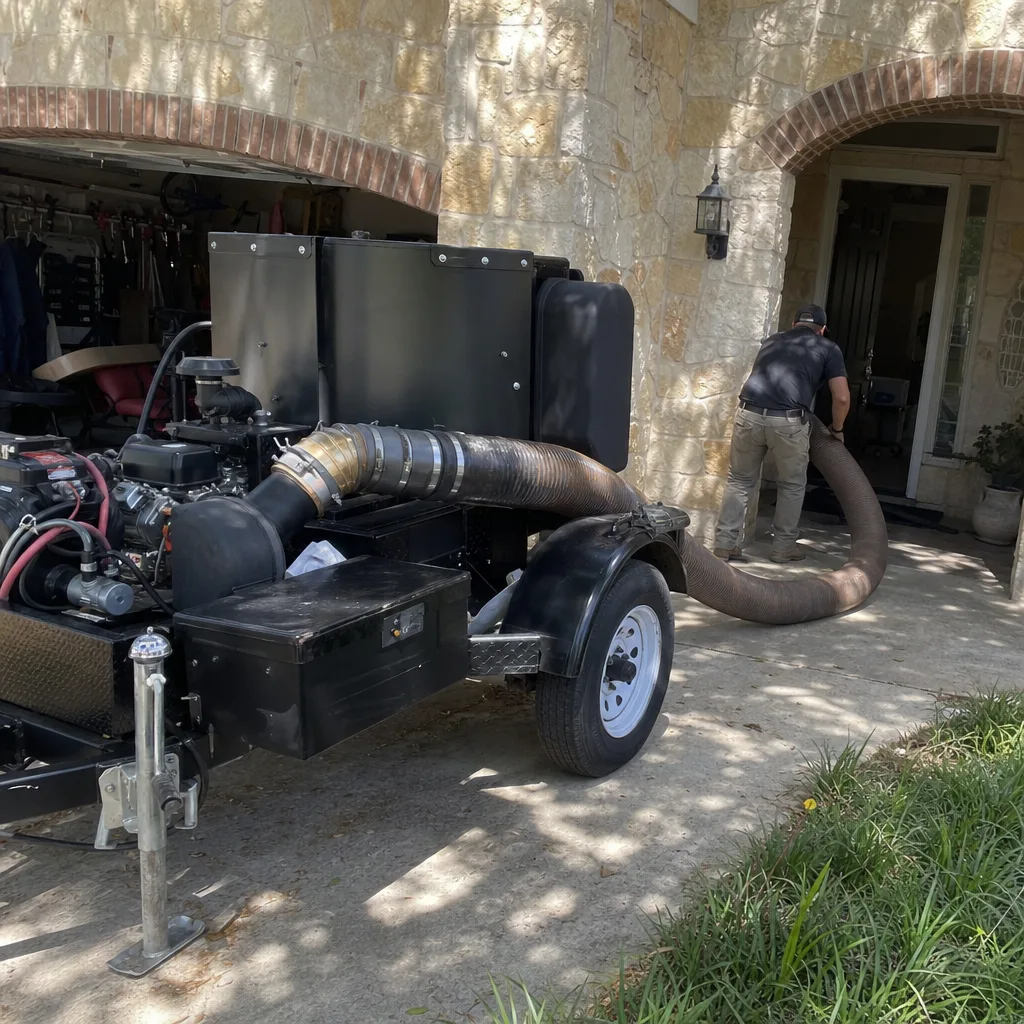
Every CleanRun inspection follows the same documented sequence. There is no abbreviated version for smaller homes or lower-priced jobs. The camera goes in every run, the footage is recorded, and the written scope comes out of what the footage shows – not out of what a technician estimated from the hallway.
- Pre-inspection system map. Before the camera enters anything, our technician walks the home and draws a rough schematic of the supply and return layout – how many runs, where each register terminates, and where the air handler and plenum are located. This map becomes the index for the footage so every segment is traceable to a specific run in a specific area of the home. In San Antonio two-story homes, where attic ductwork often serves both floors through a single plenum, this step prevents footage from becoming unattributed clips that no one can interpret later.
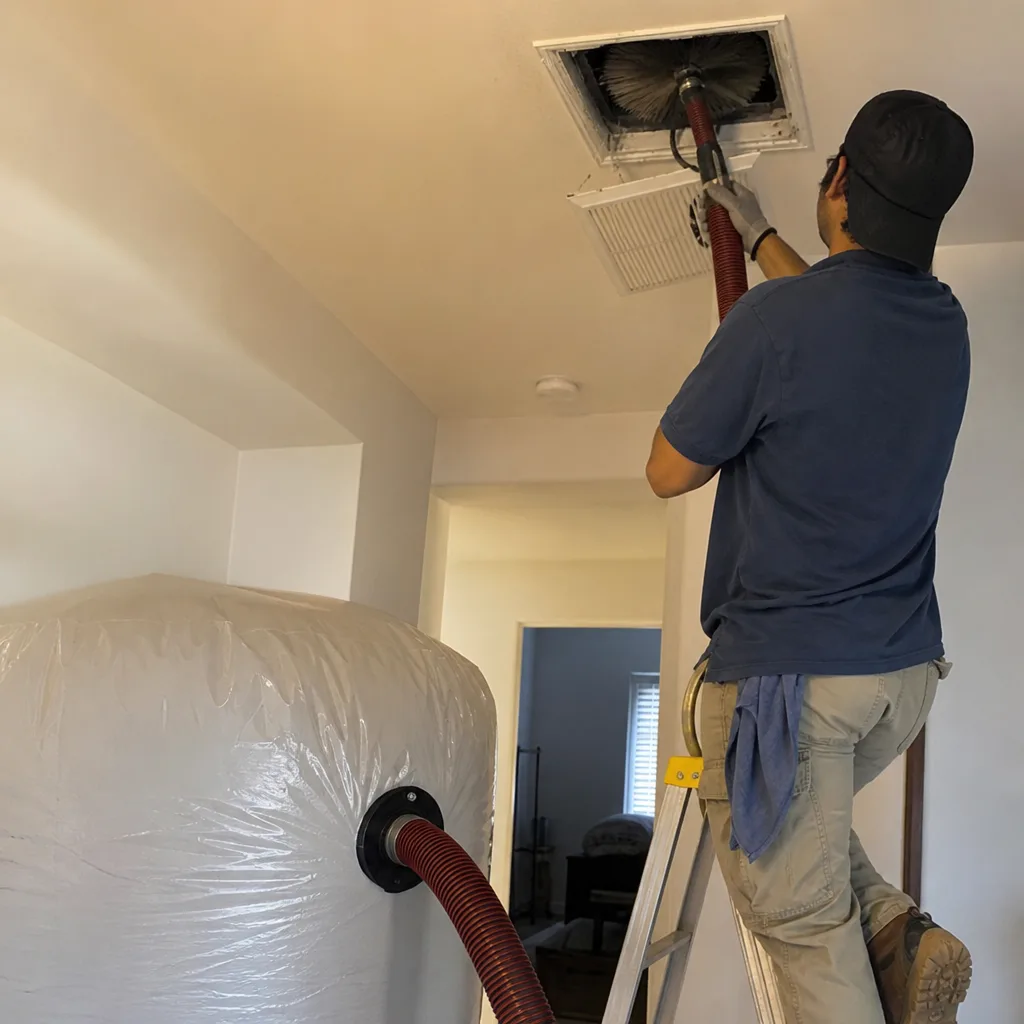
- Camera insertion at each register and return grille. We use a flexible rod-mounted inspection camera with onboard lighting sized to move through standard residential duct diameters – typically 4-inch to 14-inch flex and rigid runs. Rotobrush camera systems are among the equipment we deploy for this work. The camera travels from the register toward the main trunk or plenum, recording continuously. If a run is too collapsed or blocked to pass the camera safely, that fact is documented as a finding rather than skipped.
- Real-time footage review with the homeowner. The feed runs to a monitor the customer can see. We stop and annotate when the camera shows a notable condition: debris accumulation depth at an elbow, a visible breach in the duct wall, biological growth, or a disconnected joint. You are not hearing a summary – you are watching the footage as it happens. In San Antonio homes with original flex duct from the 1980s and 1990s, we regularly find full collapses within the first 6 feet of a run that were entirely invisible from the register opening.
- Still-image capture and footage segmentation. At each notable finding, a still image is captured and tagged to the corresponding run on the system map. The footage is segmented by run so the job record is navigable. This is the before documentation that has been standard on every CleanRun job since 2013 – part of the same Documented Photo Record that follows every cleaning and repair job out the door.
- Written findings summary and written price for next steps. After the camera work is complete, the technician produces a written summary of findings organized by duct run. If cleaning, repair, or sanitizing is warranted, the written price for each service is delivered at that moment – before any additional work is discussed or scheduled. Haven Standard Clause 1 does not have an asterisk for inspection follow-up work. You see the number in writing before you decide anything.
- Post-work verification footage (when applicable). If the inspection leads directly to a cleaning or repair on the same visit, the camera goes back in after the work is complete. The after footage sits alongside the before footage in the same job record. The difference is visible, documented, and yours to keep.
BeforeAfterVideo Inspection Pricing in San Antonio
Duct video inspection in San Antonio typically runs $89 to $199 for a standalone diagnostic inspection of a standard single-family home, depending on the number of duct runs, system complexity, and whether the inspection is bundled with a cleaning job already scheduled. For full pricing details, see How Much Does Air Duct Cleaning Cost in San Antonio, TX? (2026 Price Guide).
| Scenario | Typical Price Range |
|---|---|
| Standalone inspection, home under 2,000 sq ft, up to 10 runs | $89 – $129 |
| Standalone inspection, home 2,000 – 3,500 sq ft, 10-20 runs | $129 – $179 |
| Larger home or complex system (two air handlers, zoned system) | $179 – $199+ |
| Inspection bundled with full duct cleaning (same visit) | Included in cleaning price or reduced add-on rate |
| Second-opinion inspection on a competitor’s written estimate | Free |
What moves the price up: extra duct runs beyond the standard count for the home’s square footage, attic-only systems that require the technician to work in San Antonio’s summer attic conditions (130°F-plus in June through August), two-story homes where runs serve both floors from separate air handlers, and systems where previous pest activity or collapse requires slower camera progress to document conditions accurately.
What does not change the price: your ZIP code within San Antonio, whether you found us through a search or a referral, or how much work the camera ends up finding. The written price is based on the scope of the inspection, full stop.
The Free Second Opinion applies directly here: if another company gave you a written estimate for duct cleaning or repair following their inspection, bring that estimate and we will run our own camera, produce our own findings summary, and put our written number next to theirs. See How Much Does Air Duct Cleaning Cost? (2026 Price Guide) - San Antonio, TX to compare. No charge for the comparison. Call (726) 600-7155 to schedule.
What the Camera Actually Finds in San Antonio Homes
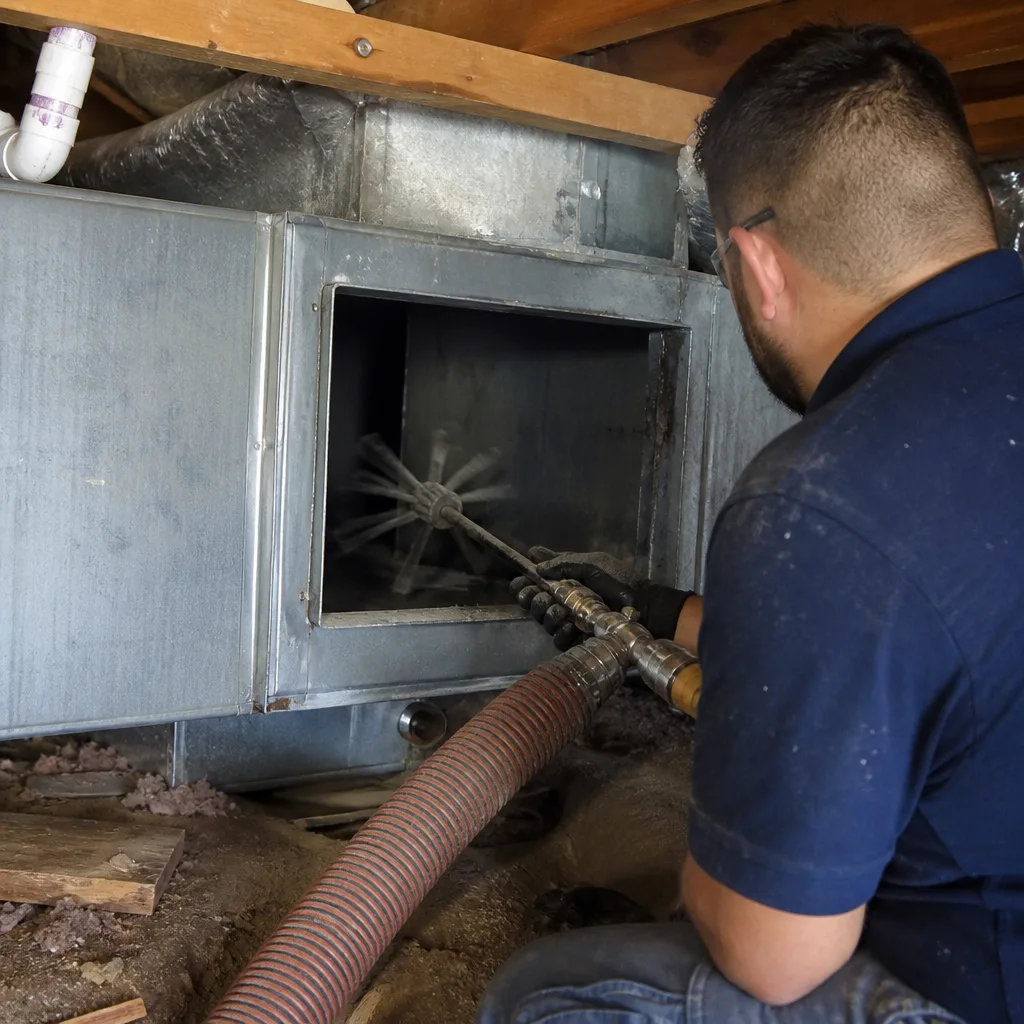
San Antonio’s climate creates a specific set of duct interior conditions that differ from what you would find in a drier market like Phoenix or a colder one like Chicago. The combination of high summer humidity, mild winters that rarely kill mold spores, and a large stock of homes with original flex duct from the 1970s through 1990s means our technicians see certain findings repeatedly.
In Helotes and the far northwest side, where homes built in the late 1990s and early 2000s used budget flex duct installations, the camera regularly shows inner liner collapse within 4 to 8 feet of the register – sometimes to the point where airflow is reduced by more than half before reaching the living space. The homeowner typically reports one room that “never gets cool enough,” and the cause is visible on the monitor within 90 seconds of camera insertion.
In Stone Oak and the 78258 corridor, homes built between 2000 and 2015 with sealed attic spaces sometimes show condensation-related debris on the interior of supply runs near poorly insulated duct connections. The debris is not from normal use – it is from unconditioned air infiltrating the system through gaps at fittings, then depositing airborne particulate as the moisture condenses.
In older central San Antonio neighborhoods – Dignowity Hill, Beacon Hill, King William – the camera sometimes enters galvanized steel runs that have never been cleaned and shows debris accumulation of 1 to 3 inches sitting at every horizontal elbow. That is not an estimate. The camera shows depth because it shows the cross-section of the run, and the technician notes the measurement in the findings summary.
None of that is written to alarm you. It is written because the camera either finds it or it does not, and knowing what to expect in your neighborhood and your home’s era of construction is useful before we arrive.
The Documentation You Receive
Every CleanRun video inspection produces a job record that includes: the system map with run index, still images tagged to each run with findings noted, a written findings summary in plain language, and – when follow-up work is done on the same visit – before and after footage for each run that was cleaned or repaired. This has been the standard deliverable since CleanRun’s first job in 2013, across more than 52,000 homes served.
The record is delivered to you digitally at job close. You do not need to request it. It is part of the job, not an upgrade.
The 365-Day Done Right Promise covers the work that follows from the inspection findings. If a duct run was found to be collapsed and we repaired it, and that repair fails within 365 days, we come back and make it right. That is a written commitment on every job, not a verbal assurance subject to a manager’s interpretation later.
Our technicians are background-checked, uniformed, and identified by name before arrival – Haven Standard Clause 3. The technician running your camera has been vetted. Their name is not a surprise when they knock on the door.
For more on how video inspection fits into a full system cleaning, visit our home or read through the full scope of what we cover under Air Duct Cleaning in San Antonio.
FAQs – Video Inspection
How long does a duct video inspection take in a typical San Antonio home?
A standard video inspection in a San Antonio home between 1,500 and 2,500 square feet with one air handler typically takes 60 to 90 minutes. That time covers camera insertion in every supply and return run, real-time footage review with the homeowner, still-image capture at each notable finding, and the written findings summary at the end. Larger homes, two-story layouts with separate air handlers, or systems where the camera finds significant debris or damage that needs careful documentation will run closer to 2 hours. We do not compress the inspection to fit a tighter schedule – every run gets camera time, or the job record reflects why it did not. Call (726) 600-7155 to discuss your home’s layout before booking so we can give you an accurate time estimate.
Can a video inspection tell me whether my ducts actually need cleaning?
Yes, and that is the main reason to get one before committing to Air Duct Cleaning Near Me in San Antonio, TX. The camera shows actual interior conditions – debris depth at elbows, biological growth on duct walls, collapsed liner sections, breach points where unconditioned air enters. If the footage shows clean, intact runs with minimal accumulation, we document that and tell you cleaning is not warranted right now. We do not manufacture findings to justify a cleaning scope. The written findings summary reflects what the camera showed, and the written price for any follow-up work is separate from the inspection charge. If a competitor ran a “free inspection” and immediately quoted you a full cleaning without showing you footage, bring their written estimate and we will run our camera for a free second opinion.
Does CleanRun use a camera on every cleaning job, or only when I request it?
The camera is standard on every job. The Documented Photo Record – which includes interior footage of every duct run before and after cleaning – has been a standard deliverable on every CleanRun job since 2013. You do not need to request it or pay extra for it as part of a cleaning job. For customers who want an inspection before committing to cleaning, a standalone inspection is available at the pricing listed above. Either way, the before footage exists and is part of your job record. The difference between CleanRun and a company that only photographs the registers is that the camera goes into every run, not just the opening.
Is it safe to run a camera through old galvanized steel duct without damaging it?
In most cases, yes. The flexible rod-mounted cameras we use are designed to navigate through residential duct systems, including older galvanized steel, without abrading the duct walls. The camera does not apply force to move through the system – it follows the interior geometry of the run. Where a run is too corroded, too compressed, or too blocked to pass the camera without risk of making the problem worse, that condition is noted as a finding and the technician documents the point of obstruction with still images rather than forcing the camera further. That is the honest answer – some runs cannot be fully inspected without first addressing the obstruction, and we say so in writing rather than skipping it and hoping you do not notice.
Key Takeaways
- Duct video inspection in San Antonio costs $89 to $199 for a standalone diagnostic, depending on home size and system complexity.
- The camera enters every run – not just the register opening – and the footage is documented in a written job record you keep.
- CleanRun’s written price is delivered before any follow-up work is discussed. Haven Standard Clause 1 applies to inspection follow-up scopes the same as it does to any other service.
- San Antonio homes built before 2000, especially those with original flex duct, frequently show collapsed liner, debris accumulation at elbows, and breach points that are invisible from the register.
- The 365-Day Done Right Promise covers work that follows from inspection findings.
- A Free Second Opinion is available at no charge: bring a competitor’s written estimate and we run our own camera.
- All calls are answered by a live person. Call (726) 600-7155 to schedule or to ask a question before booking.
If you want to know what is inside your duct system before you decide anything, call CleanRun at (726) 600-7155. We will schedule an inspection, show up on time, run the camera through every run, and hand you a written findings summary and written price before we talk about next steps. No verbal estimates, no pressure, and no guessing.
Written by Tomas Reyes, Owner at CleanRun Air Duct Cleaning San Antonio, serving San Antonio since 2013.