
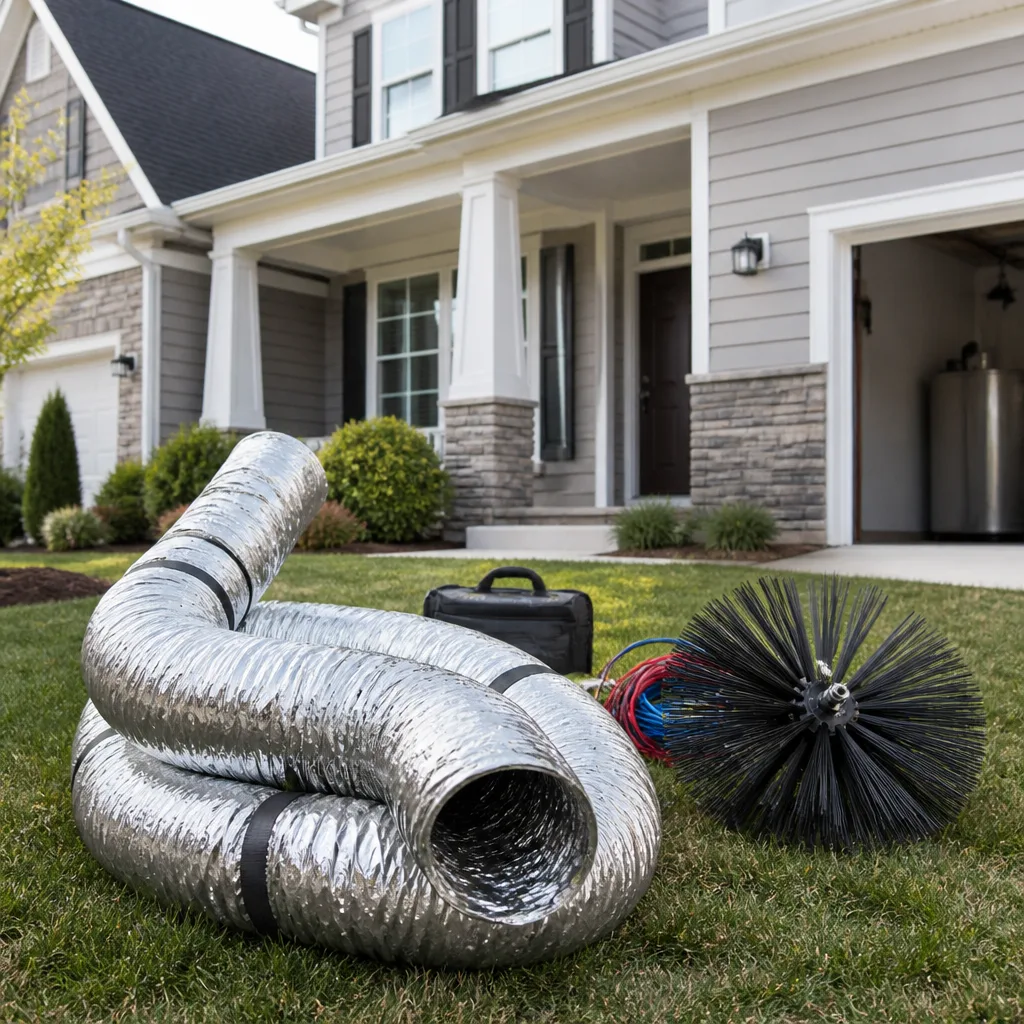
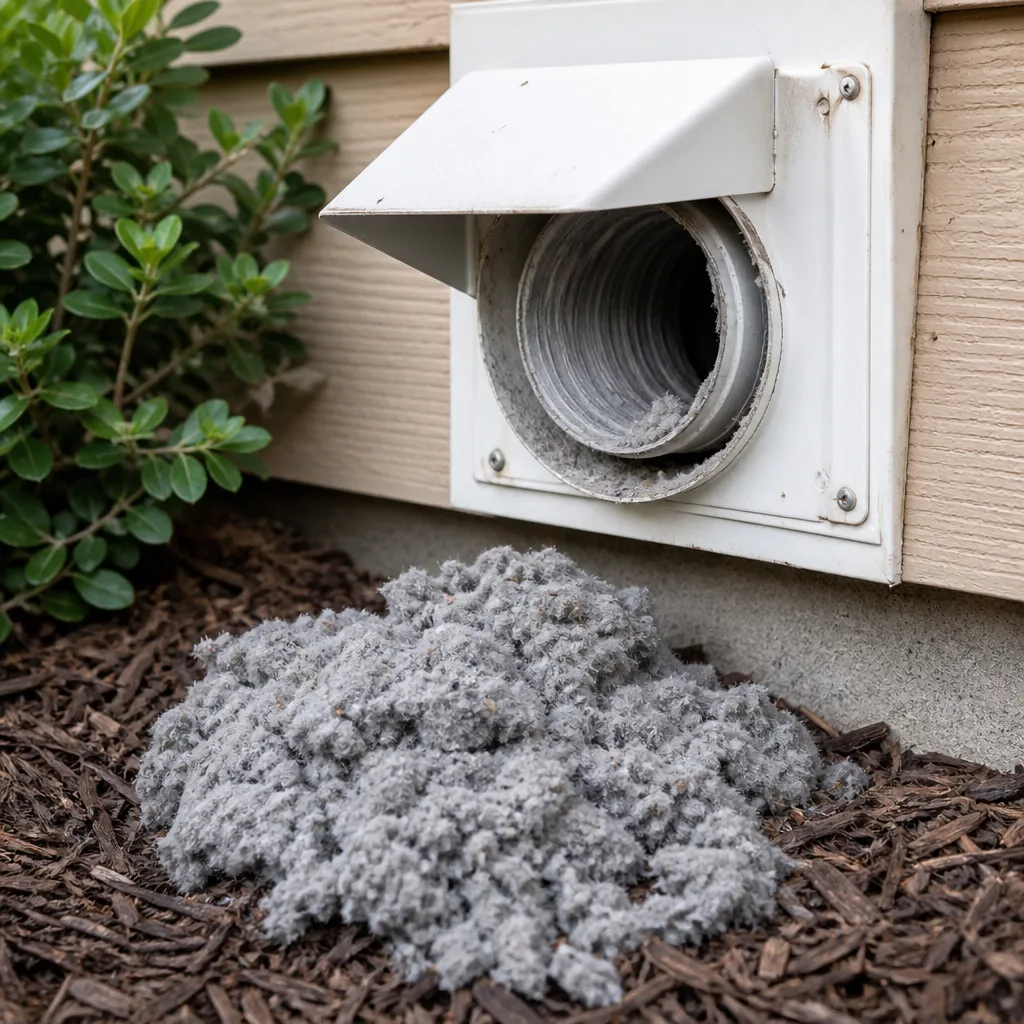
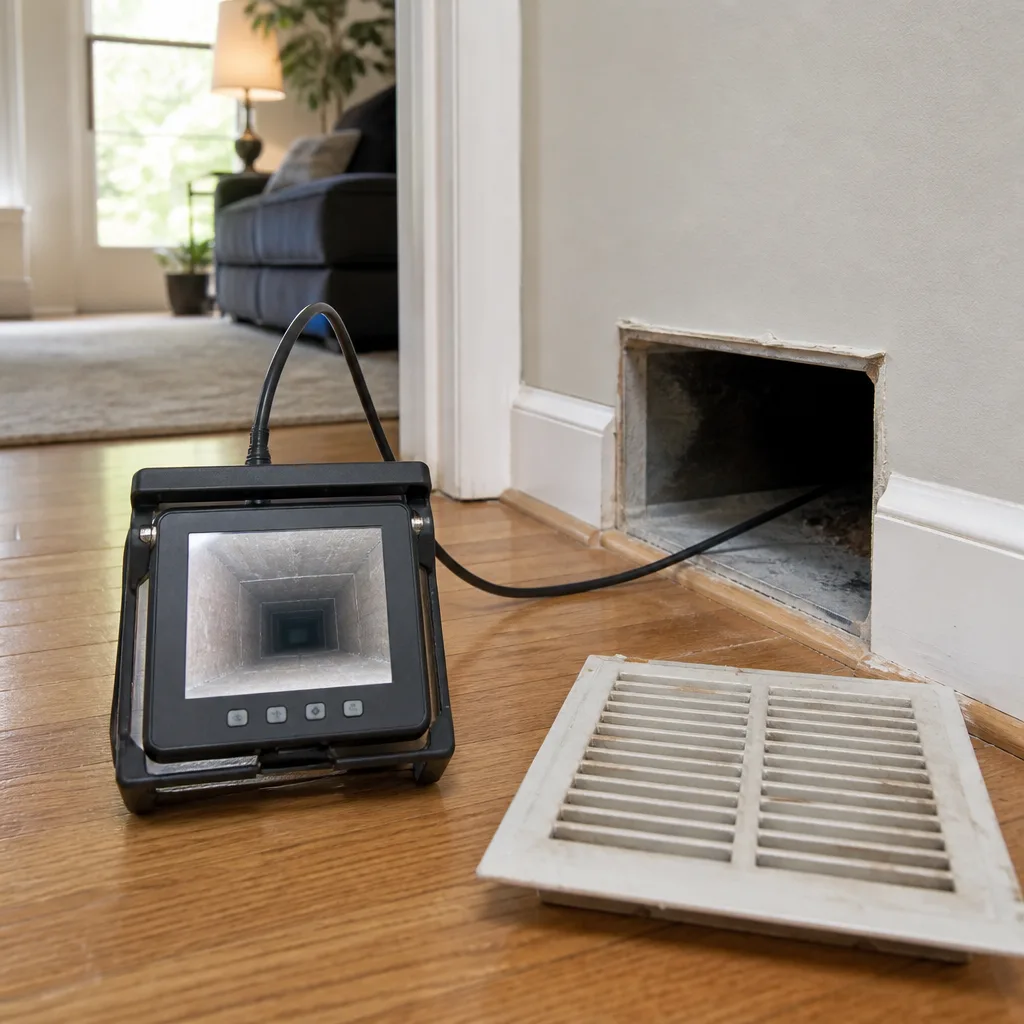
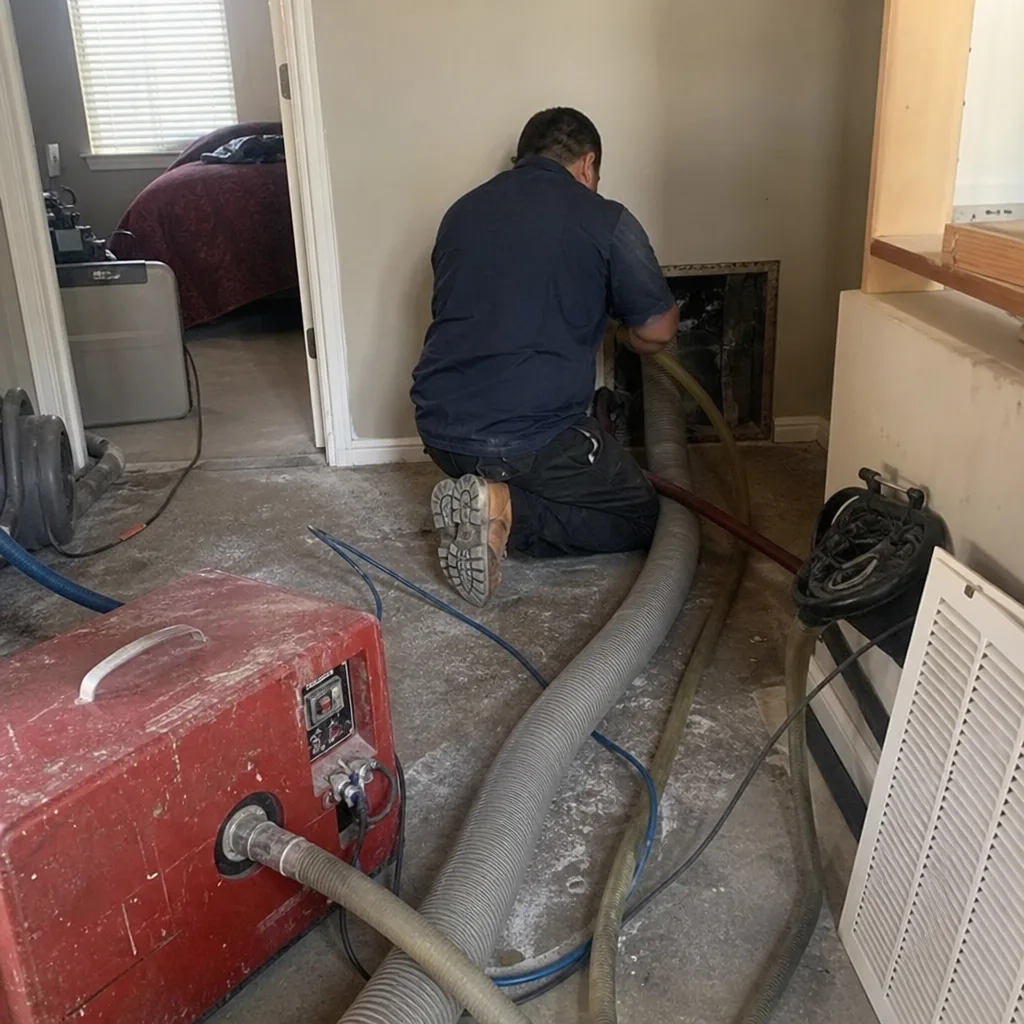
Whole-system duct and dryer vent check with before-and-after photos - you see exactly what came out of your vents
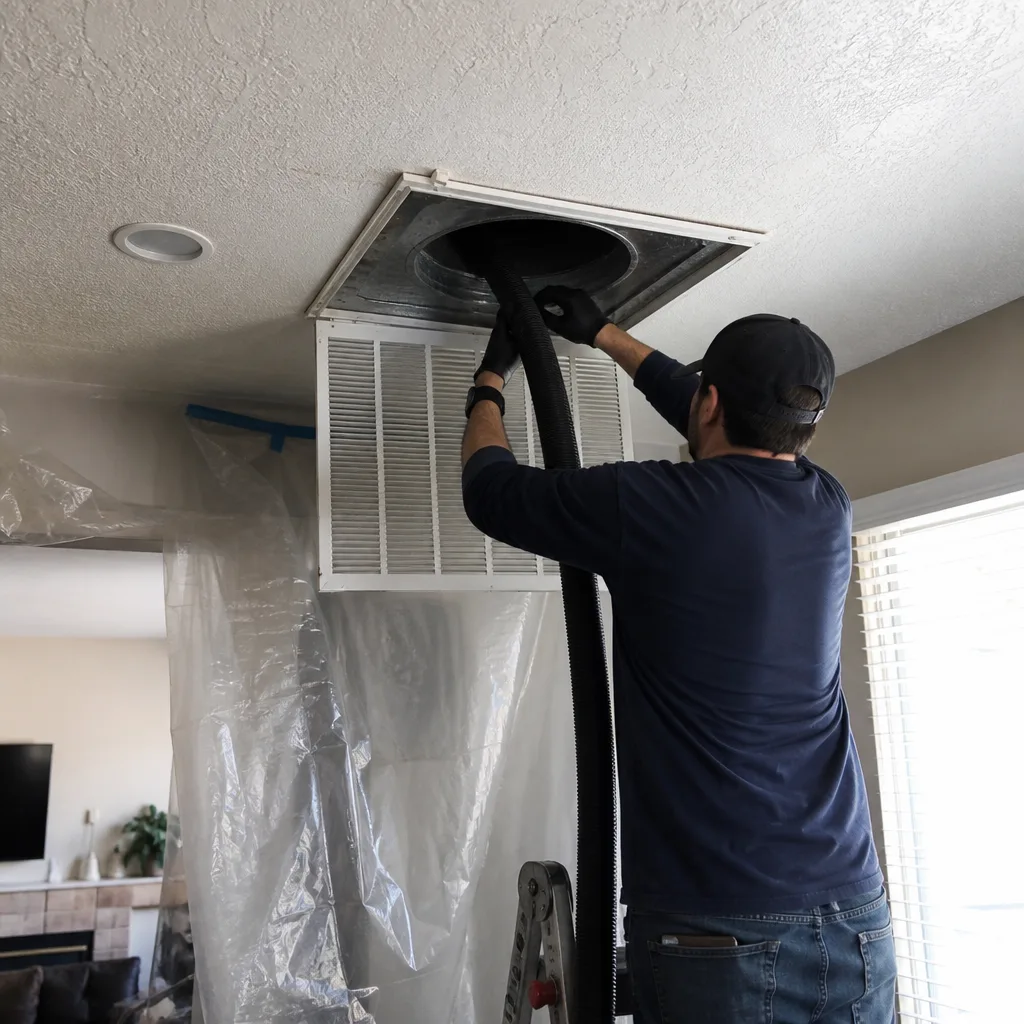
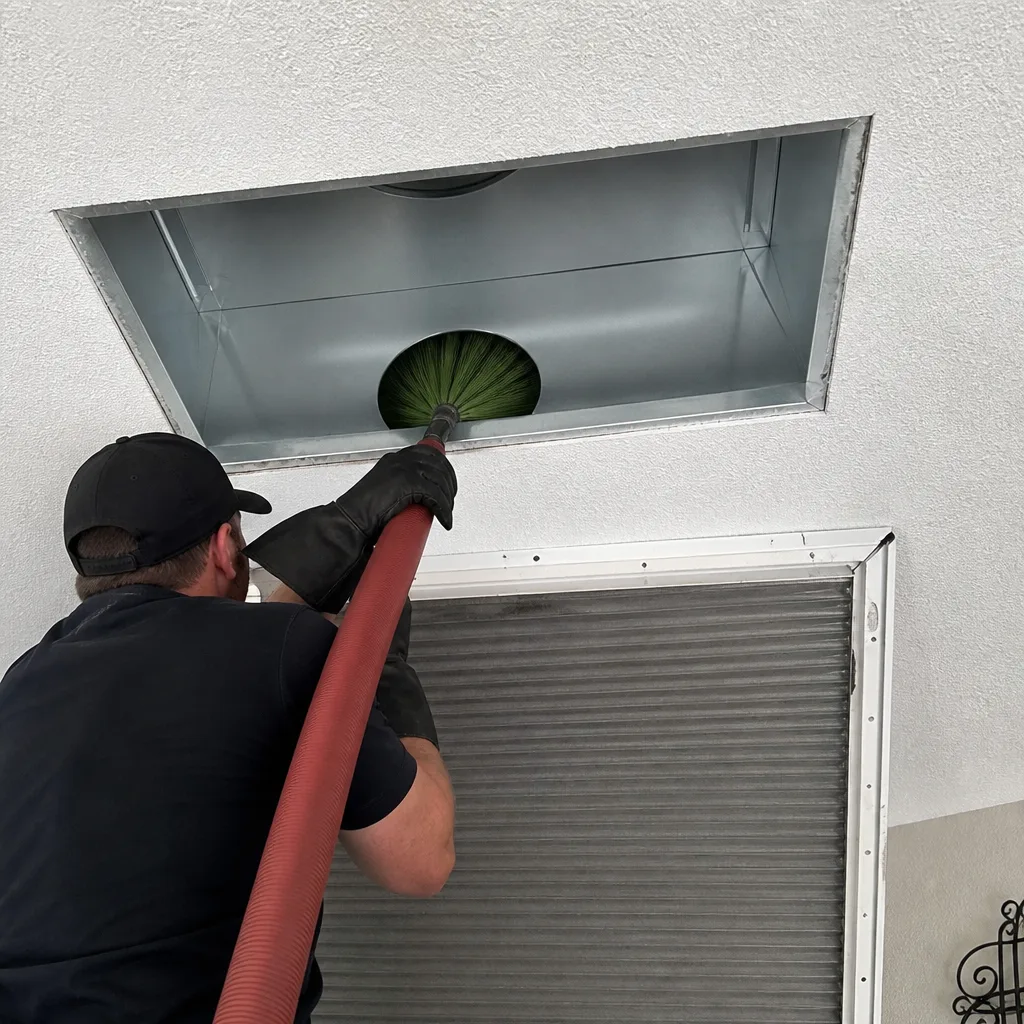
That "$99 whole-house special" is a bait ad - the real number appears once they are in your hallway, or the "clean" is a shop-vac at the register. We photograph the inside of your ducts before and after instead.

 Before
 After
After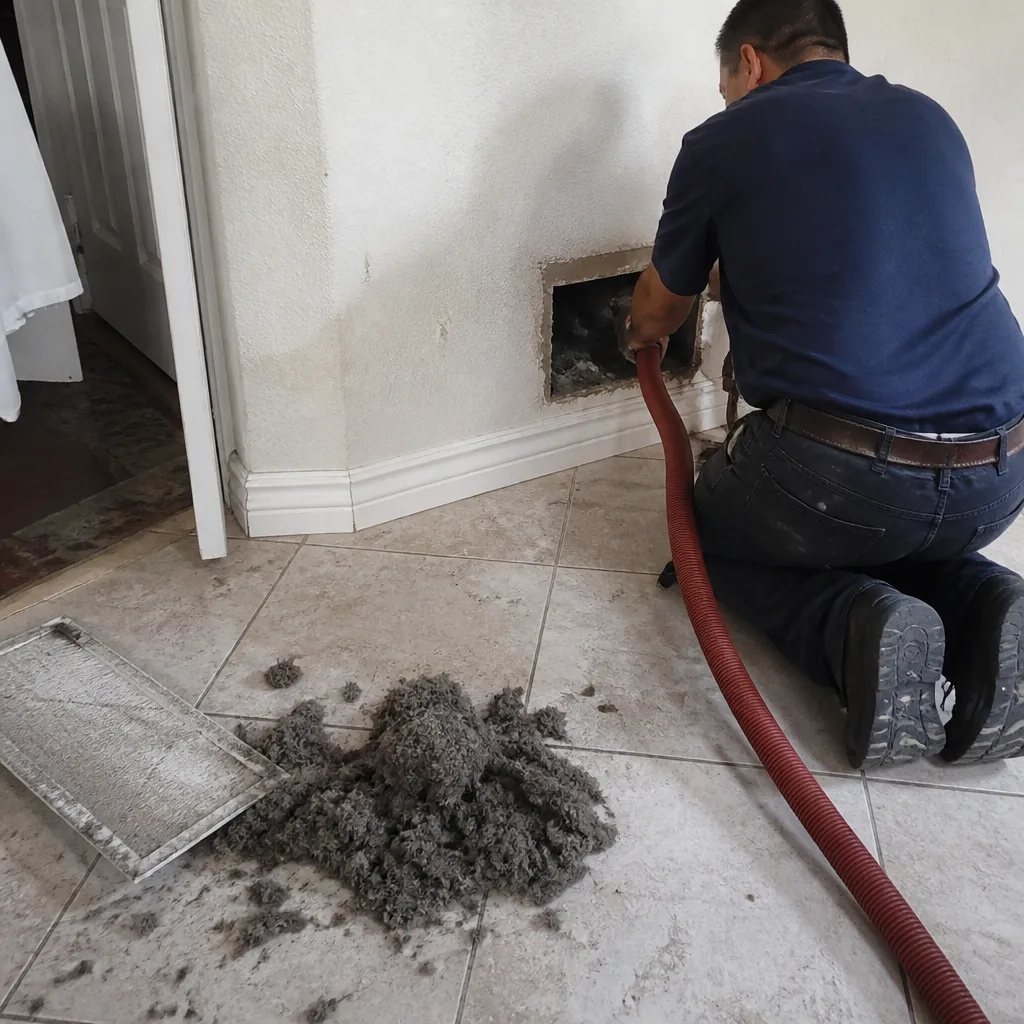 Before
 After
After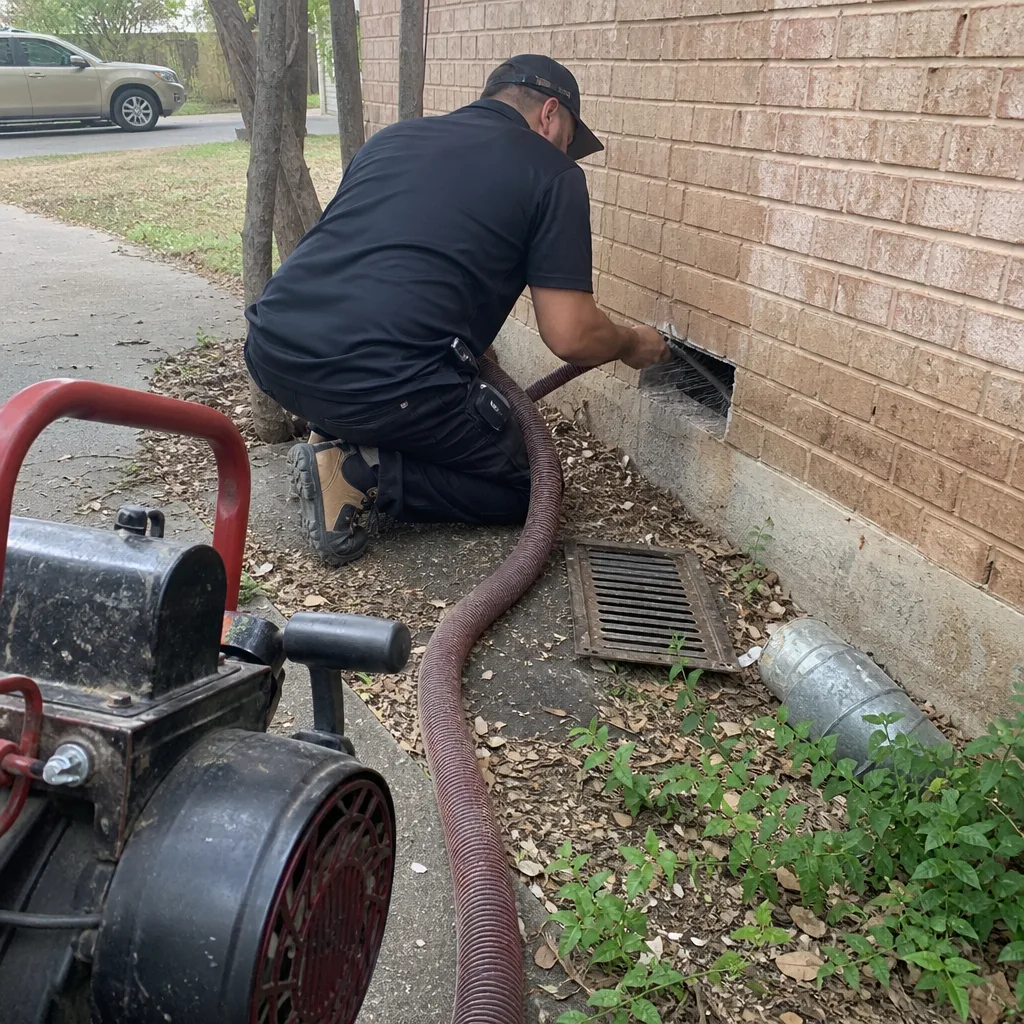 Before
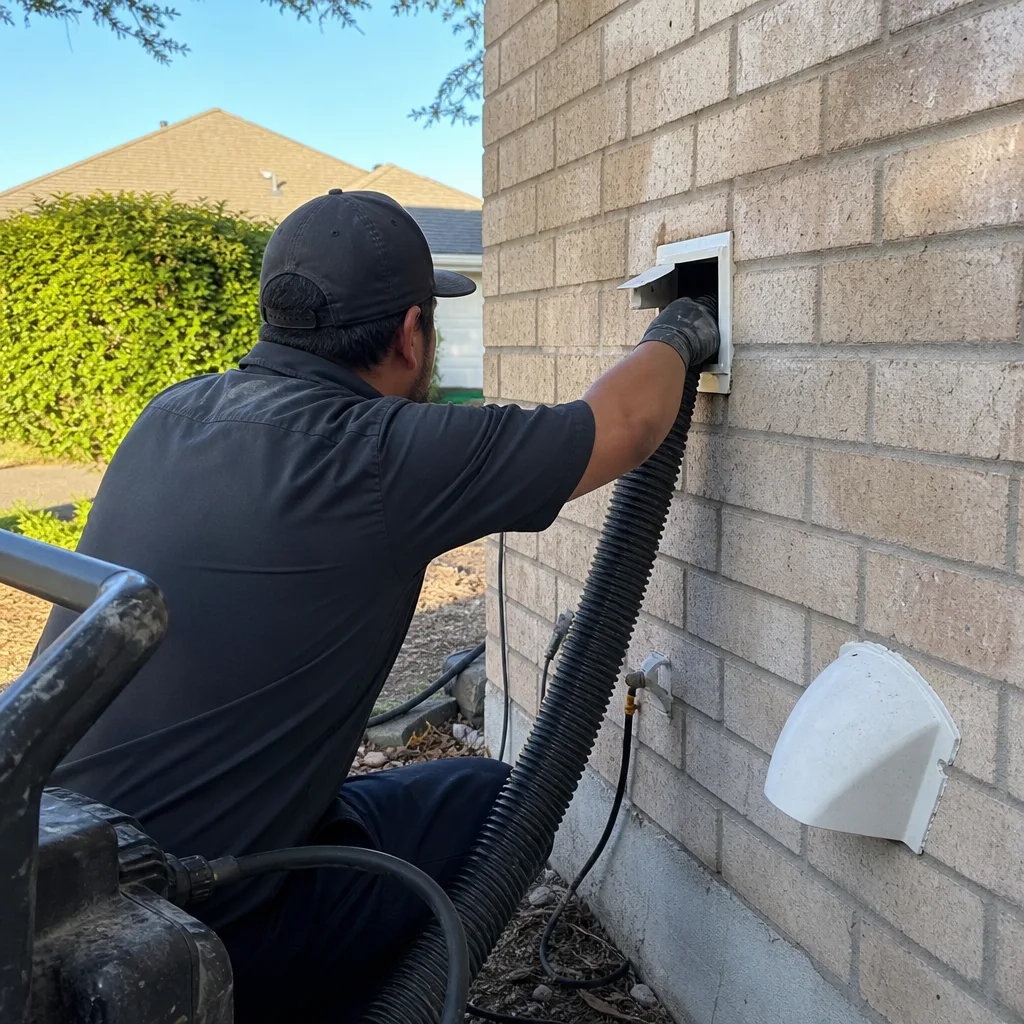 After
AfterHoneywell Coil Cleaning: The San Antonio Owner’s Guide
CleanRun stocks and installs Honeywell-compatible coil cleaning services for residential HVAC systems in San Antonio, with typical whole-system pricing running $340-$620 depending on access difficulty and coil condition. Most Honeywell-equipped systems we see in Stone Oak and Alamo Heights can be scheduled within 48 hours, and we carry Rotobrush and Nikro equipment rated for Honeywell’s fin spacing on every truck. Homeowners usually figure out something’s wrong when their Honeywell thermostat shows the system running constantly but the supply air stays lukewarm, or they notice a sweet, musty smell that gets worse when the compressor kicks on.
Which Honeywell Models This Applies To
Honeywell coils aren’t a single part number. They’re sized to the air handler or furnace they’re paired with, and the critical match points are fin density (measured in fins per inch), cabinet width, and refrigerant type. The labels that matter are on the coil cabinet itself, not the thermostat: look for a metal tag near the refrigerant lines showing model prefix “C” or “CH” for cased coils, or “T” for uncased slab coils common in attic installations around San Antonio.
We’ve cleaned Honeywell coils paired with T6 and T10 thermostats in 2018-2024 builds near Dominion and Helotes, but the coil series that actually crosses our bench most often is the CHPF (cased horizontal flow) line, particularly the CHPF3642C6 and CHPF4860D6, both rated for R-410A. The OEM Honeywell coil is built by International Comfort Products and carries their part numbering, but quality aftermarket equivalents from Nordyne and Rheem manufacturing lines fit the same cabinet dimensions with matching fin counts. We stock both paths because some San Antonio homeowners want the original label for resale documentation, and others want the honest aftermarket equivalent that performs identically under the same pressure test. If your system was installed between 2015 and 2020 in the San Antonio metro, there’s a strong chance it’s running a CHPF-series coil with 3/8-inch tubing and 14 fins per inch.
Signs Your Honeywell Coil Cleaning Is Failing
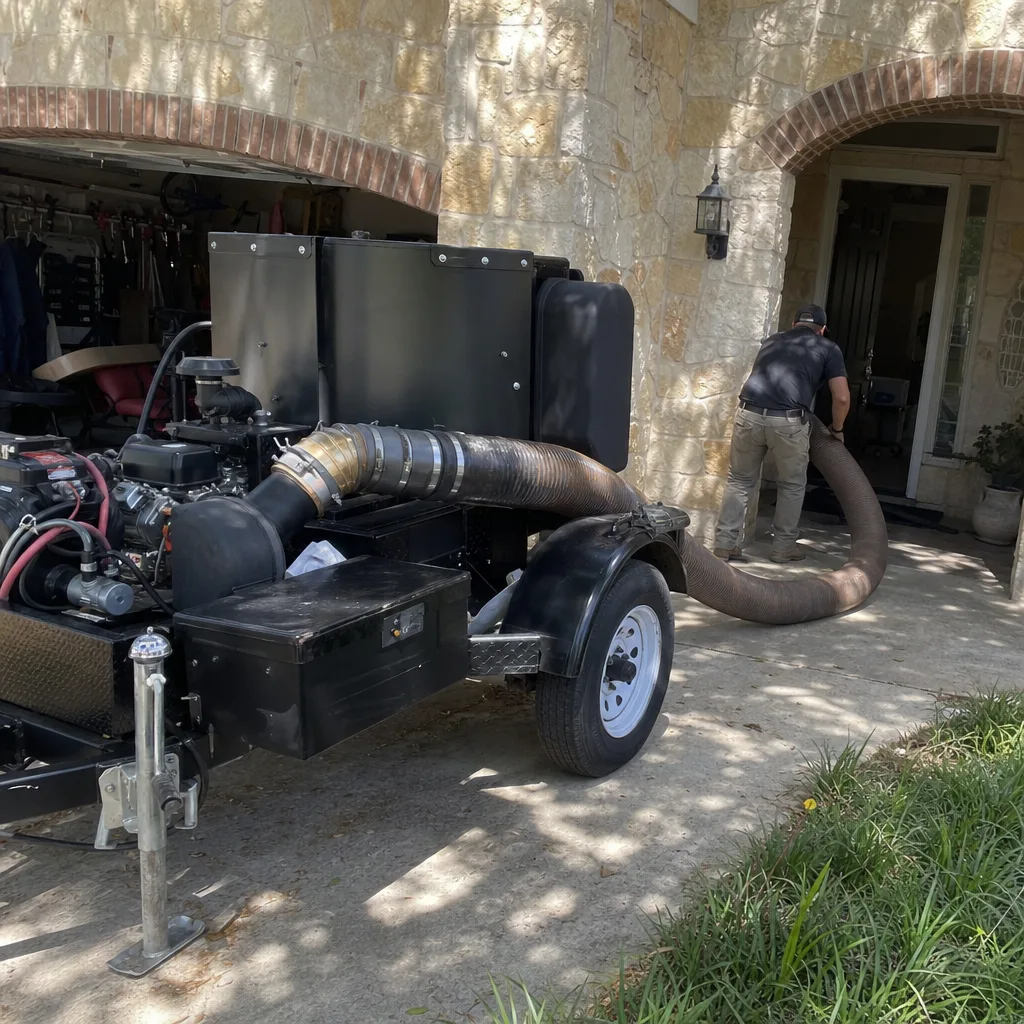
- Ice formation on the refrigerant lines or coil cabinet. This means airflow across the coil has dropped below what Honeywell designed for, usually because a mat of dust and pollen has packed between the fins. In San Antonio, that buildup often includes cottonwood seed in May and oak pollen in March, which wets down and dries into a dense layer regular filter changes won’t reach.
- Water staining on the ceiling below the air handler. A dirty coil runs colder than designed, causing condensation to freeze, then thaw and overflow the drain pan. We’ve pulled ceiling panels in Terrell Hills homes where the drywall damage cost more than the coil cleaning would have.
- Compressor short-cycling or hard starting. The compressor is laboring against abnormal head pressure because the coil can’t exchange heat efficiently. Honeywell’s own service literature flags this as a leading cause of premature compressor failure in their matched systems.
- Musty or sour odor from registers when the AC runs. Biological growth on the coil surface produces this smell. San Antonio’s humidity, especially in July and August, keeps the coil wet enough for mold colonies to establish if the surface isn’t kept clean.
- Energy bills climbing without thermostat changes. A coil with 20% airflow restriction can raise cooling costs 15-25% according to DOE field studies. We’ve documented this specifically in 2019-2021 builds near Stone Oak where the original builder-grade filters were never upgraded.
BeforeAfterReplacement Cost & What’s Included
Whole-system Honeywell coil cleaning in San Antonio runs $340-$620 through CleanRun. The lower end covers single-position coils in accessible closets or garages with light debris. The upper end applies to attic installations in two-story homes, heavily impacted coils requiring extended contact time with foaming cleaner, or systems where the drain pan and lines also need clearing.
Every job includes: negative-pressure extraction of the full duct run (the plenum, which is the main distribution box connected to your air handler, gets scoured with a Rotobrush contact head); application of foaming cleaner matched to Honeywell’s aluminum fin specifications; rinse and dry cycle with portable HEPA vacuums; pressure test of the refrigerant circuit if we touched any connections; and the Documented Photo Record of every duct run, before and after, delivered to you as a standard job record. Haven Standard Clause 1 applies: the written price is agreed before any panel comes off. The 365-Day Done Right Promise covers the workmanship, and we publish our license number on every quote for verification.
DIY or Call Us?
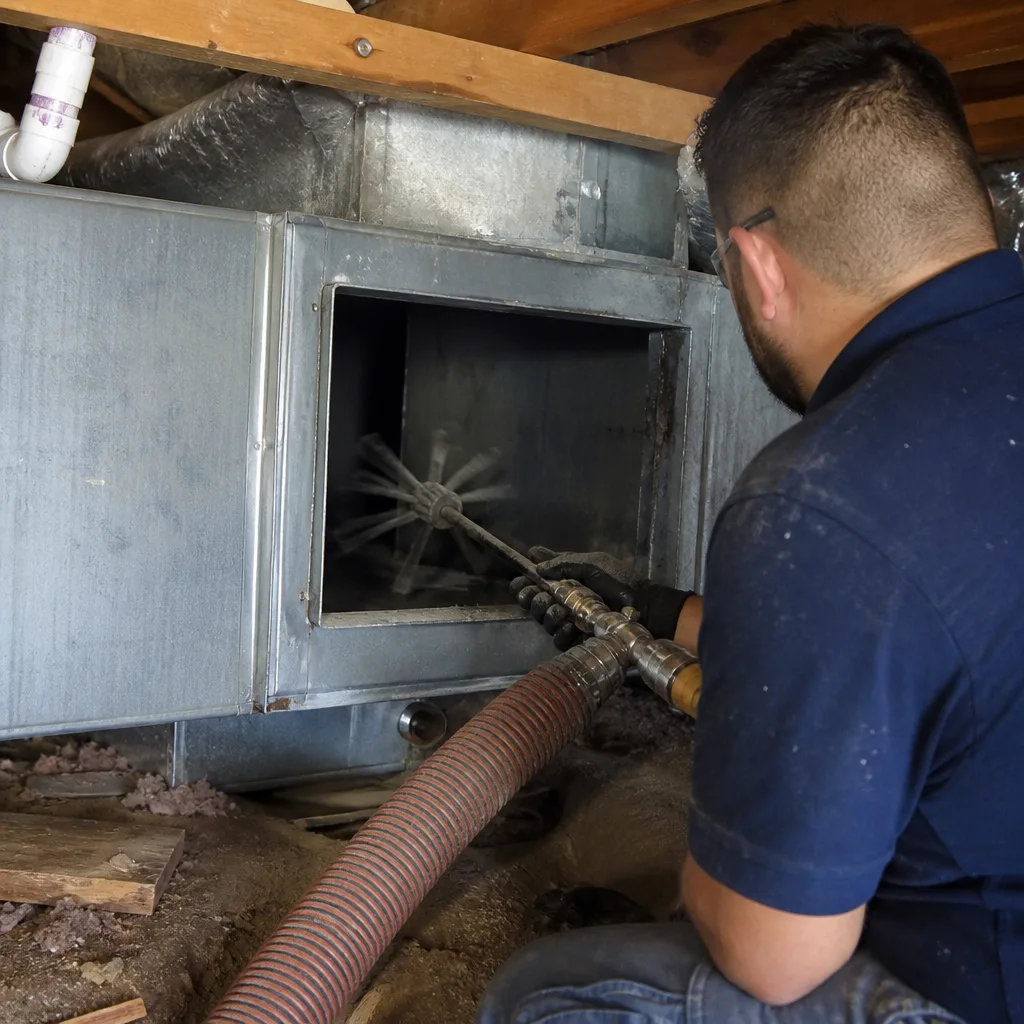
There’s a safe middle ground and a hard stop. What you can do: check your filter monthly, keep the condensate drain line clear with a cup of white vinegar quarterly, and visually inspect the coil through the access panel for obvious debris matting. What you should not do: spray foaming cleaner into a coil without protecting the blower motor and control board, or attempt to brush fins with anything stiffer than a dedicated coil brush. Honeywell coils use louvered fin geometry that crushes easily under pressure from a wire brush or screwdriver tip.
The real risk isn’t the cleaning itself. It’s the refrigerant lines. If you disturb a flare fitting or puncture the tubing, you’re looking at a full refrigerant recovery and recharge, which EPA Section 608 certification requires. We carry that certification on every truck, along with digital scales and recovery cylinders. The camera goes in first. Then we talk. Call (726) 600-7155 and we’ll put a written number next to whatever you’ve been quoted.
FAQs
A typical residential cleaning takes 2.5 to 4 hours from truck arrival to final photo documentation, depending on attic access and how many duct runs feed off the plenum. Most San Antonio homeowners schedule a morning slot and have the system running clean by early afternoon. Call (726) 600-7155 to check availability - estimates are free.
No. Once fin corrosion or biological growth has taken hold, cleaning is the only restoration path; “repair” in this context means replacement of the entire coil assembly, which runs $1,800-$3,400 installed in San Antonio. We recommend cleaning at the first symptom to avoid that escalation. Call (726) 600-7155 for a written assessment.
Every 3 to 5 years under normal residential use, but every 2 to 3 years if you have pets, run the fan continuously, or live near construction or undeveloped land where dust load is higher. The 2019-2021 builds we’ve serviced near Stone Oak often need earlier attention because builder-grade filters were underspecified for our pollen seasons. Call (726) 600-7155 and we’ll show you what your coil actually looks like.
Yes. Every CleanRun truck carries Rotobrush contact heads sized for Honeywell fin spacing, Nikro HEPA vacuums, foaming cleaner rated for aluminum microchannel coils, and digital cameras for the before-and-after photo record. We also stock Lennox, Trane, and Carrier-compatible tooling for mixed-brand systems common in San Antonio. Call (726) 600-7155 to confirm same-week scheduling.
Written by Tomas Reyes, Owner, CleanRun Air Duct Cleaning San Antonio at CleanRun Air Duct Cleaning San Antonio, serving San Antonio and nearby areas.