
Whole-system duct and dryer vent check with before-and-after photos - you see exactly what came out of your vents
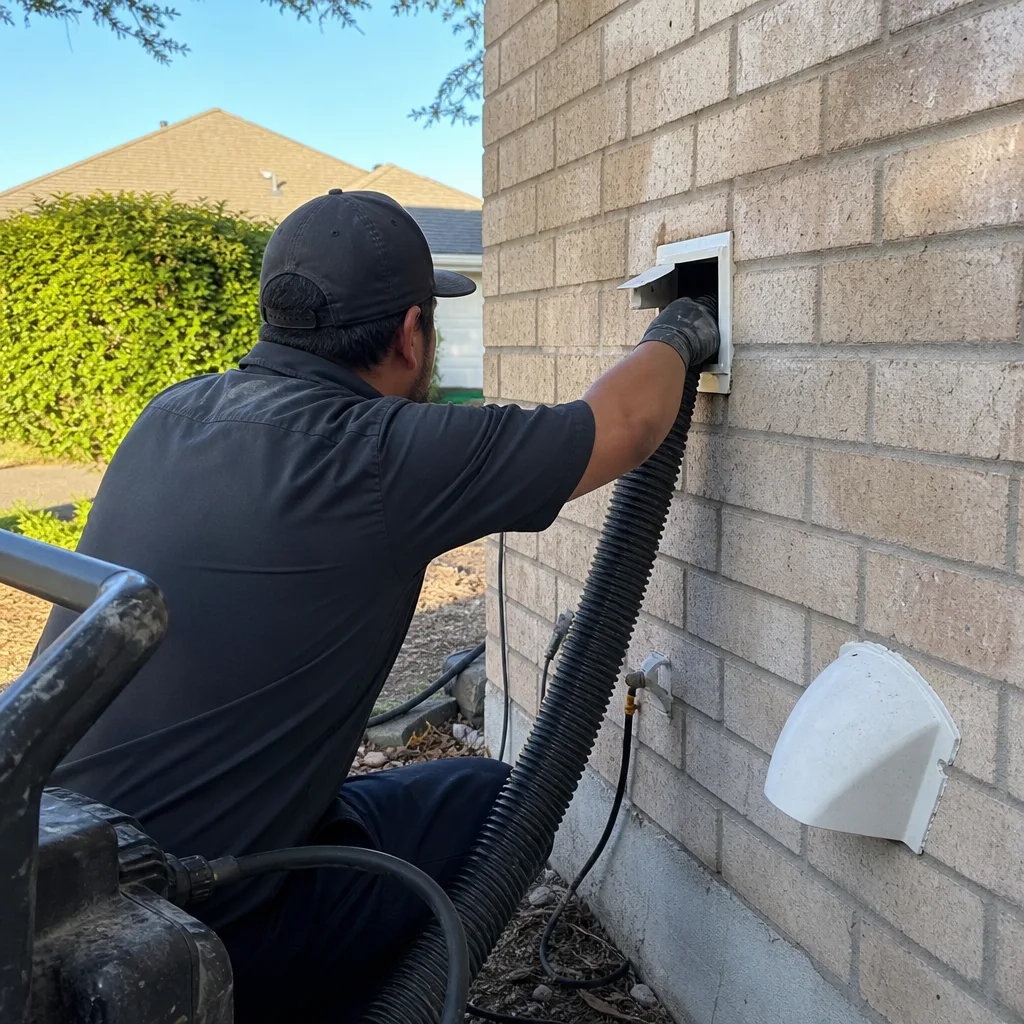
That "$99 whole-house special" is a bait ad - the real number appears once they are in your hallway, or the "clean" is a shop-vac at the register. We photograph the inside of your ducts before and after instead.
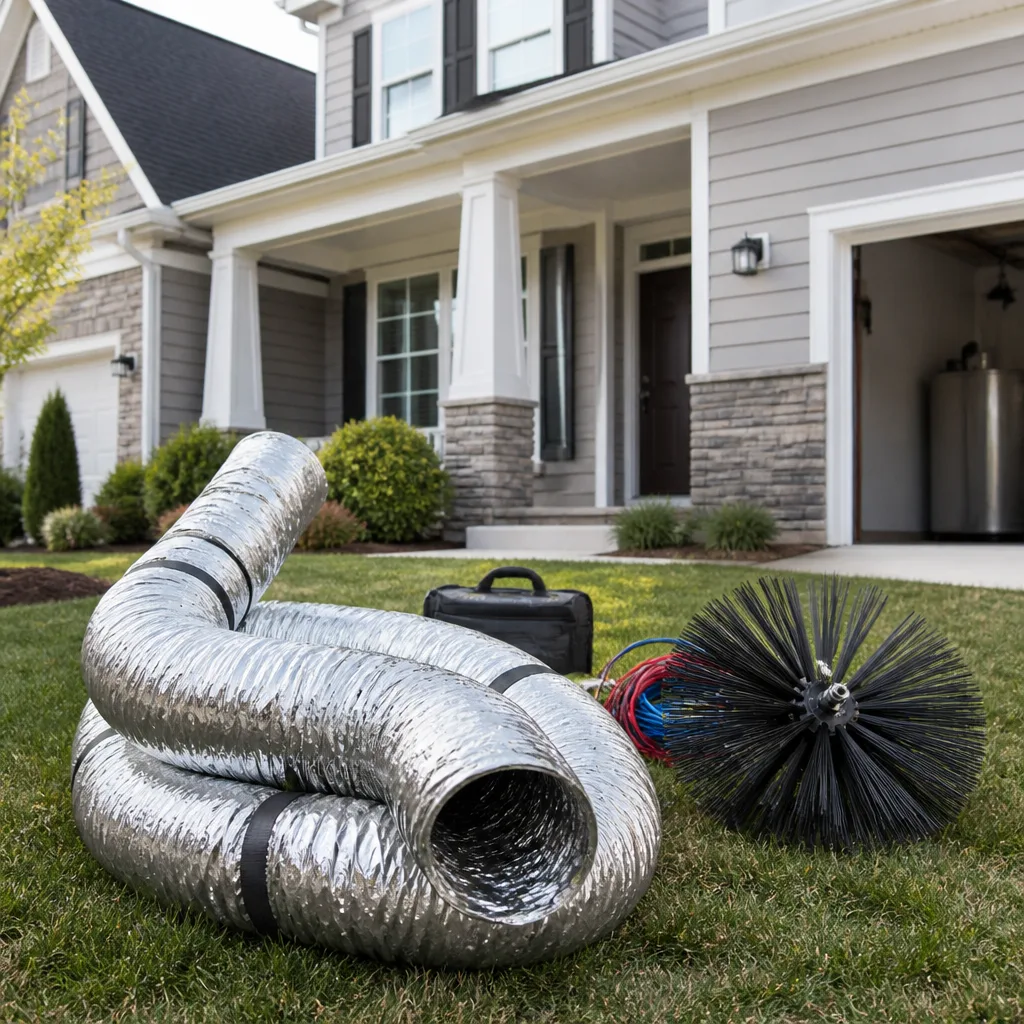
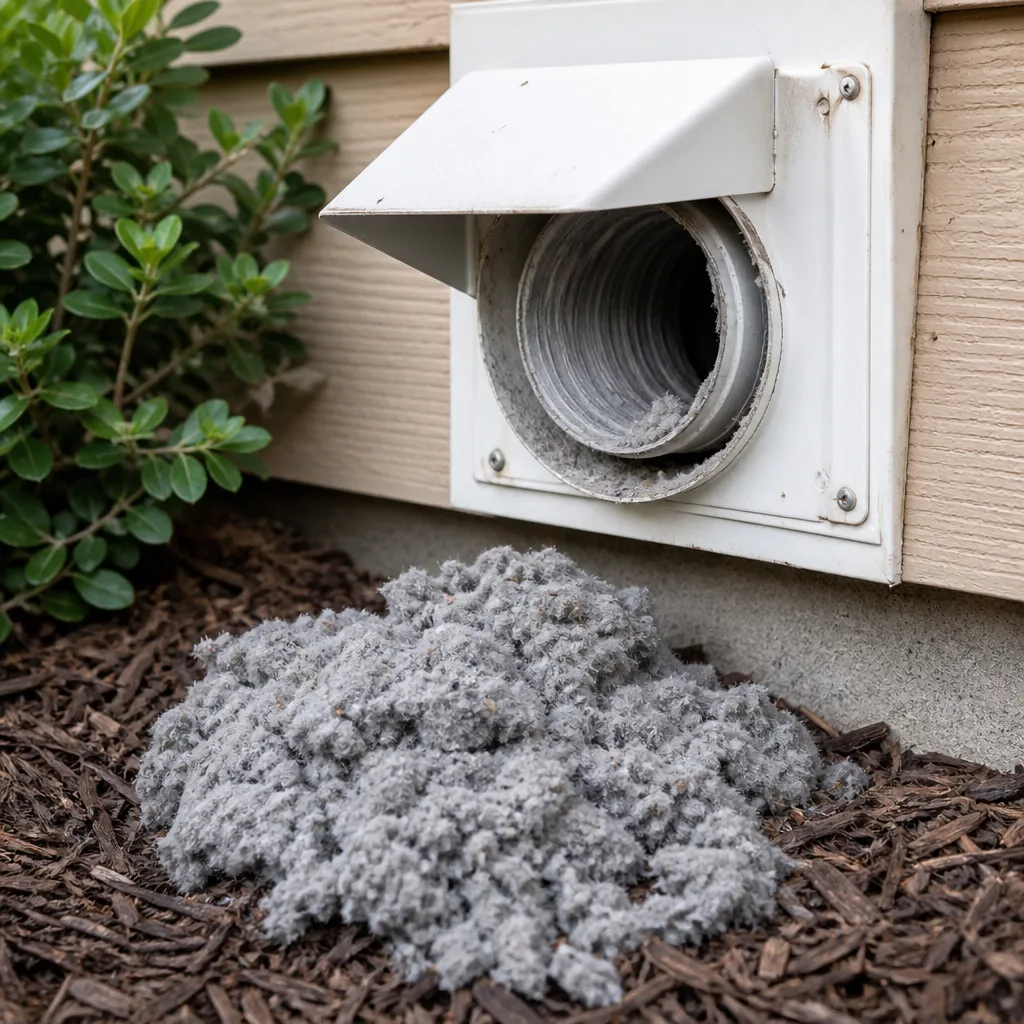
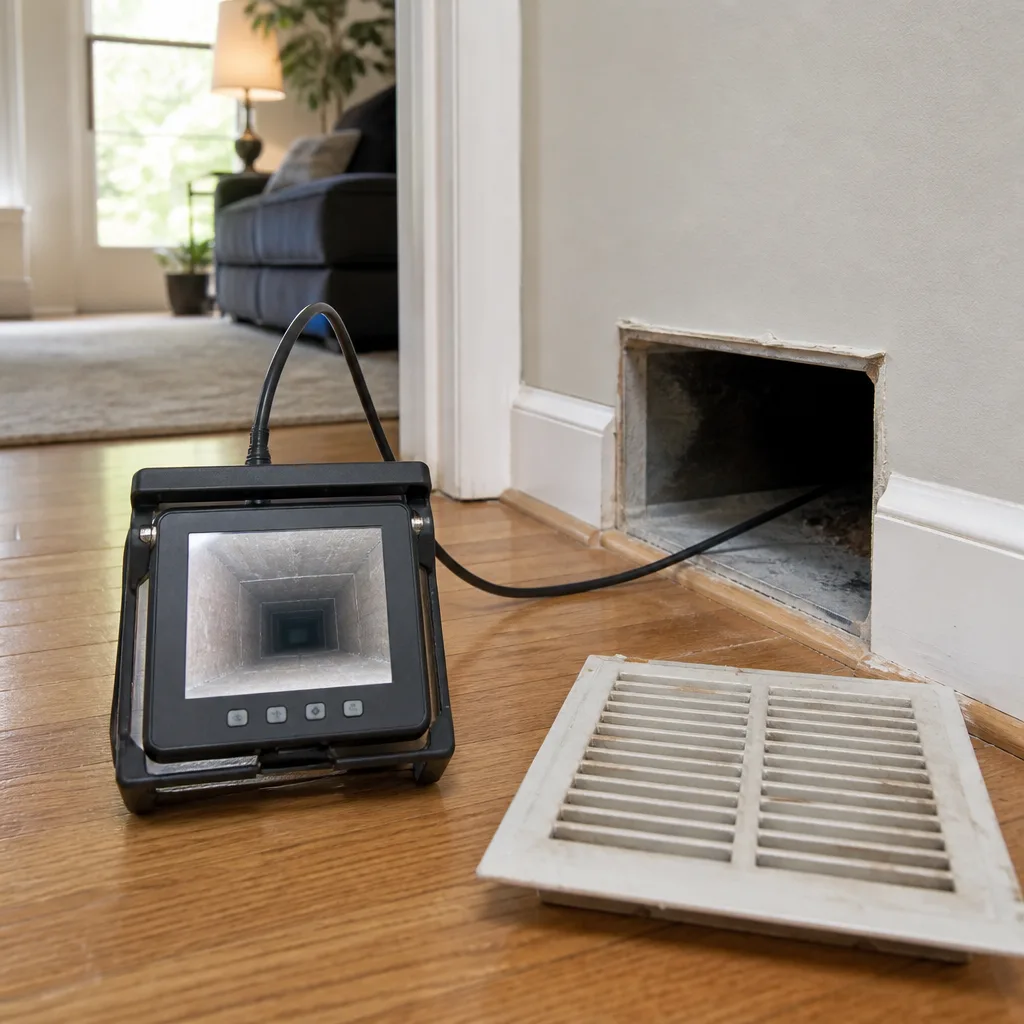

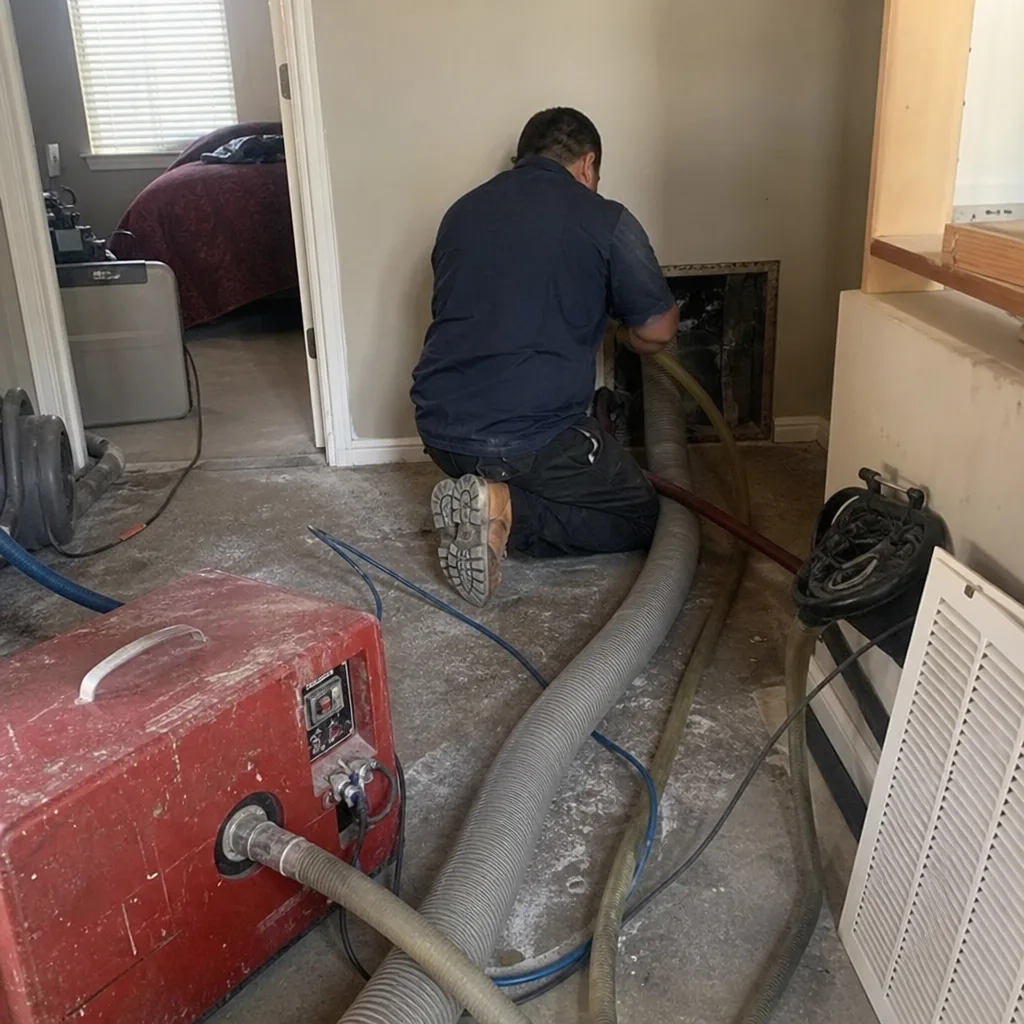 Before
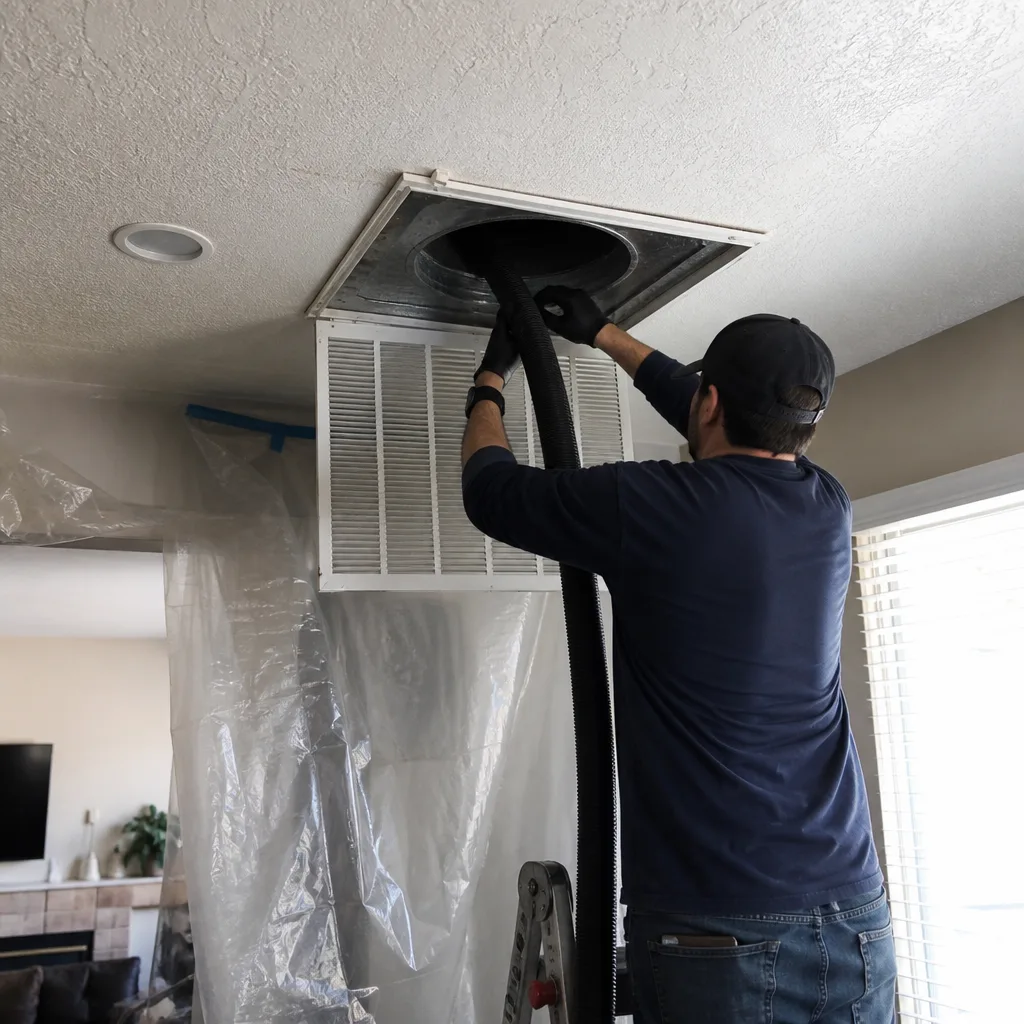 After
After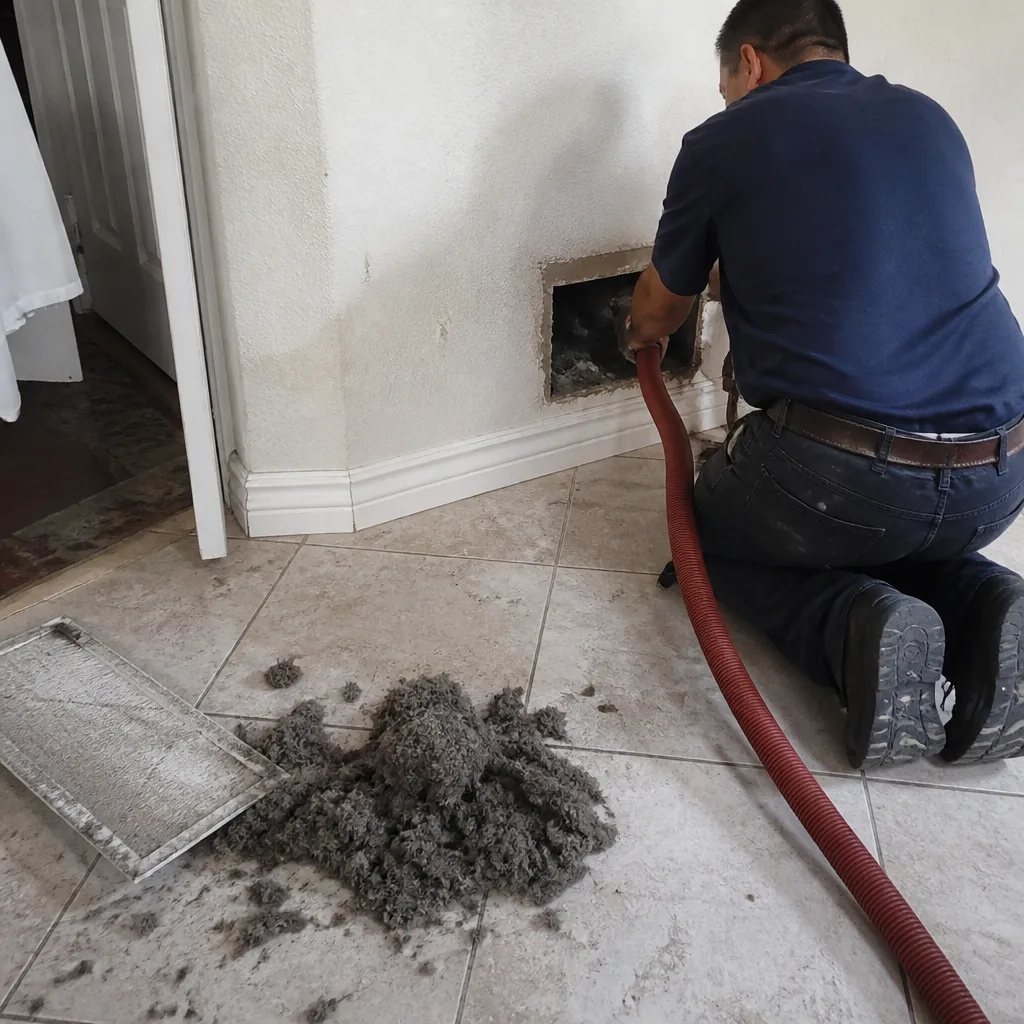 Before
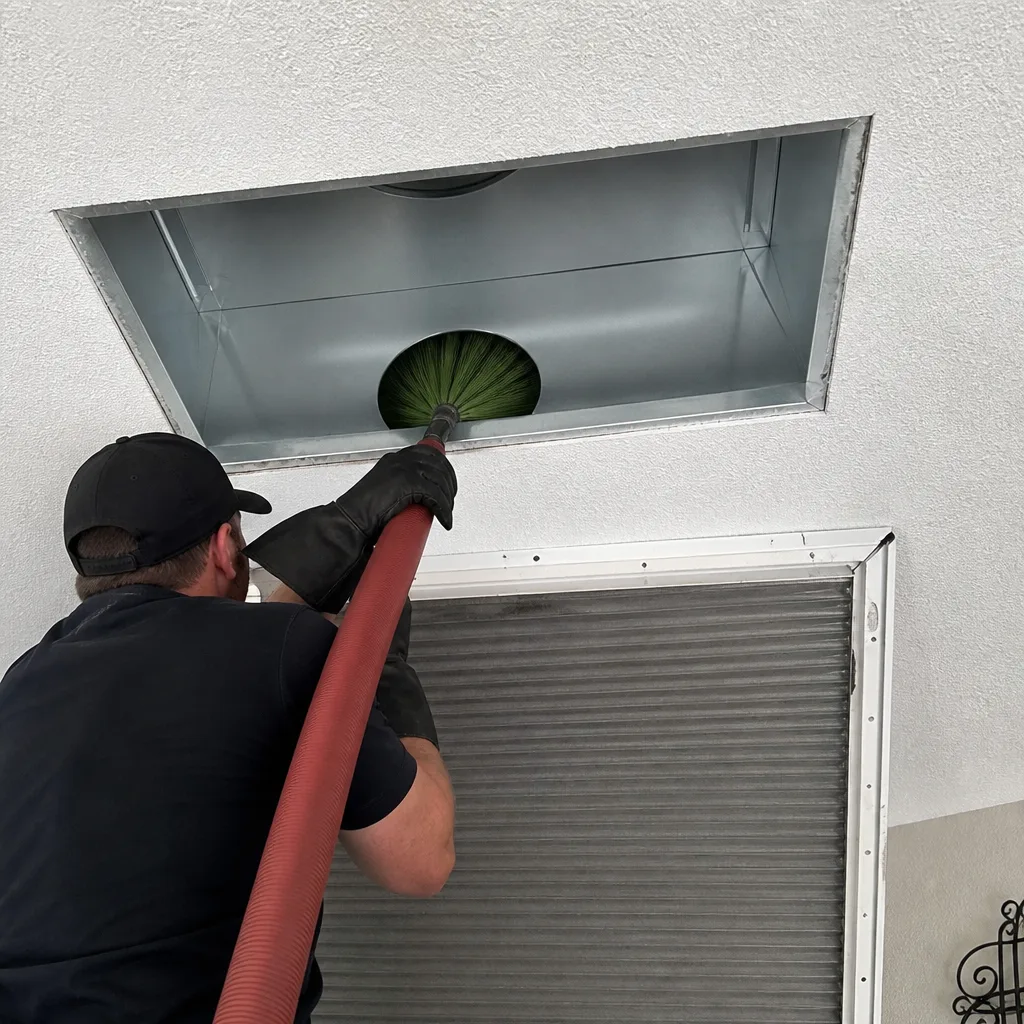 After
After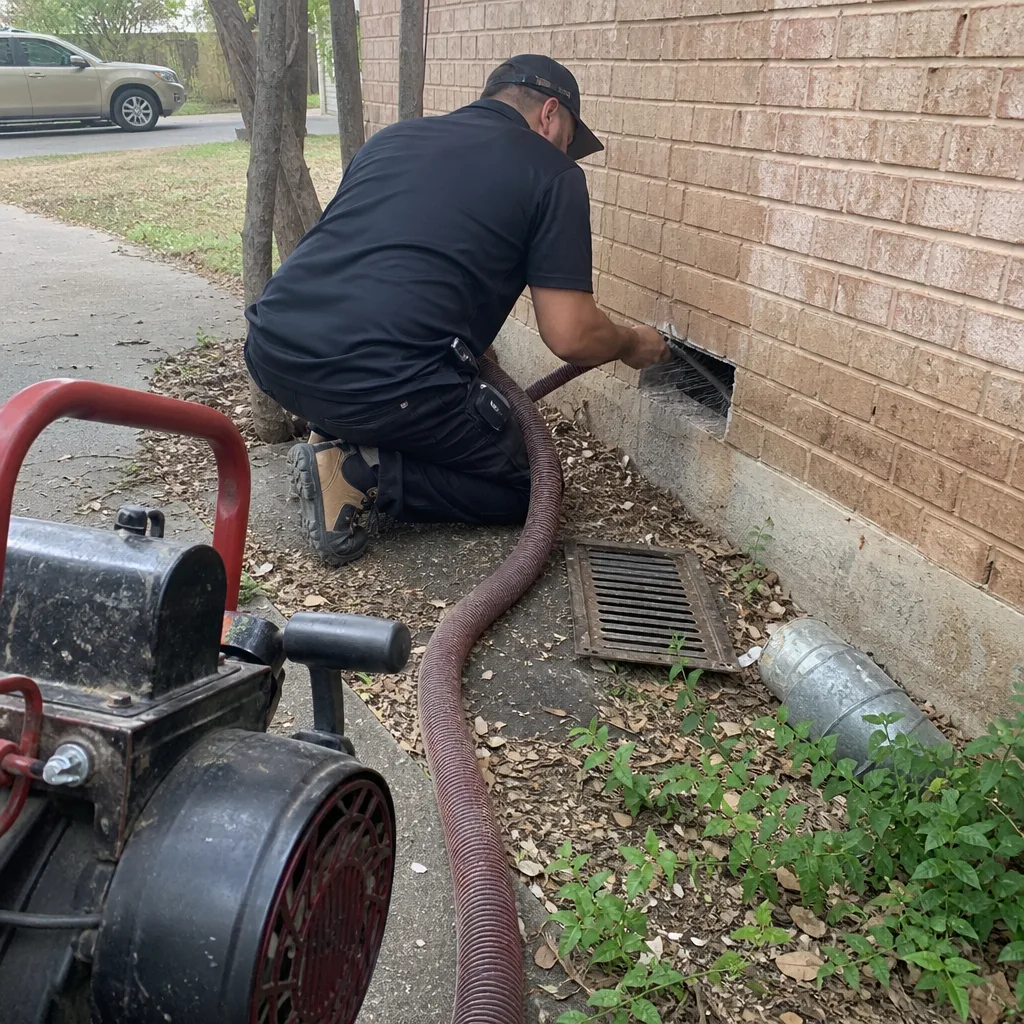 Before
 After
AfterRotobrush Coil Cleaning: The San Antonio Owner’s Guide
Rotobrush coil cleaning in San Antonio typically runs $340-$580 for a complete evaporator or condenser coil service on residential systems, and we stock the full Rotobrush coil cleaning attachment set for same-day scheduling. Most homeowners realize they need this when their AC runs constantly but the house won’t drop below 78, or when they pull the filter and the coil behind it is visibly caked with gray fuzz. In San Antonio’s caliche-dust environment, that coating can form in as little as 18 months.
Tomas Reyes, our owner, developed his coil assessment method in Queens tract housing with similar particulate loads - fine dust that bypasses standard filters and mats onto wet coil fins. The camera goes in first. Then we talk.
Which Rotobrush Models This Applies To
Rotobrush coil cleaning attachments are not universal across the product line. The current coil cleaning kit (part number 900-RC-COIL-KIT) fits the Rotobrush BrushBeast series, the Rotobrush aiR+, and the legacy Rotobrush Classic with the updated quick-connect wand system introduced in 2016. If your machine has the older threaded collar connection, you’ll need the adapter sleeve - we stock both configurations on our San Antonio trucks.
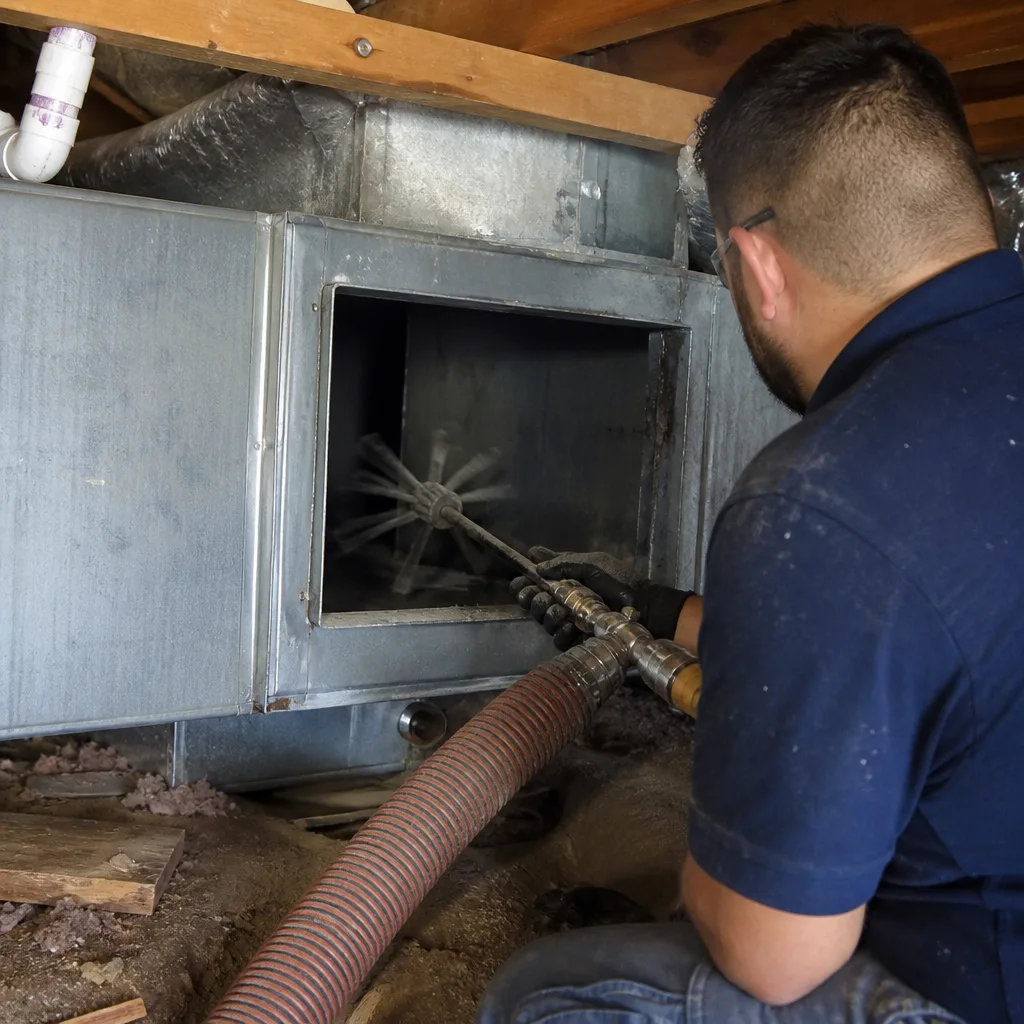
Here’s how to identify what you have: check the wand connection point behind the brush head. A gold-anodized quick-release button means the modern system; a black threaded collar that requires three full rotations means legacy. The coil cleaning heads themselves are 8-inch and 12-inch diameter, with the 8-inch designed for A-frame evaporators in tighter plenum spaces and the 12-inch for flat condenser coils in rooftop or ground-level outdoor units.
We carry OEM Rotobrush coil heads and quality aftermarket equivalents from Nikro and Abatement Technologies. The OEM foam pads are denser and last roughly 40% longer in Texas heat, but the aftermarket units clean equally well for single-use or annual-service applications. We specify which we’re installing on your written scope before work starts - Haven Standard Clause 1.
Signs Your Rotobrush Coil Cleaning Is Failing
- Uneven foam distribution across the coil face. The Rotobrush coil head uses a compressed-foam cylinder impregnated with foaming detergent. When the foam comes out patchy or dry in sectors, the internal distribution manifold is clogged with prior chemical residue. We see this most often in Stone Oak homes where hard water minerals from condensate mix with detergent and crystallize in the head.
- Excessive foam blow-by into the ductwork. If foam is escaping past the coil and into the supply plenum, the head’s perimeter seal has degraded or you’re running the wrong diameter for your coil. A 12-inch head on a 10-inch coil leaves a gap that pressurized foam exploits.
- Head rotation stalling under load. The Rotobrush drive system is torque-limited to protect the operator. If the head stops spinning when it contacts the coil, either the foam has absorbed too much debris and loaded up, or the coil fins are bent into a comb-lock that physically jams the head. This is common in Alamo Heights systems that haven’t been cleaned since installation.
- Chemical odor lingering 48+ hours after cleaning. Properly applied foaming detergent should fully drain with condensate within 24 hours. Persistent smell indicates the foam was too dilute or the head didn’t make full contact, leaving pooled chemical in the drain pan. In San Antonio’s humidity, that residue becomes a bacterial growth medium.
- Visible coil debris remaining after a full pass. The Rotobrush system is designed for maintenance cleaning, not restoration of coils that have been neglected for five-plus years. If the foam lifts but the fins still show gray or black substrate, the coil needs hand-brushing or low-pressure rinse first, then Rotobrush finishing.
BeforeAfterReplacement Cost & What’s Included
| Service Component | Price Range (San Antonio) |
|---|---|
| Rotobrush coil cleaning, evaporator (indoor) | $340 - $480 |
| Rotobrush coil cleaning, condenser (outdoor) | $380 - $580 |
| Both coils, same visit | $620 - $840 |
| OEM Rotobrush coil head replacement (if damaged) | $85 - $140 |
| Adapter sleeve, legacy-to-quick-connect | $45 - $65 |
The range reflects coil accessibility, not ambiguity in our pricing. An evaporator behind a standard filter rack in a garage closet is straightforward. An A-frame tucked above a finished ceiling in a Terrell Hills retrofit requires panel removal and ladder work. We photograph the coil before stating the price, and the written scope locks the number before any chemical touches metal. The 365-Day Done Right Promise covers the work in writing - if foam residue recurs or airflow doesn’t improve, we return and make it right.
Every job concludes with a Documented Photo Record: coil before, coil after, and a close-up of the fin spacing to verify no damage from the cleaning process. This has been standard on every CleanRun visit since 2013.
DIY or Call Us?
What you can safely check yourself: verify your Rotobrush model and connection type, inspect the coil through the filter opening with a flashlight for visible debris load, and confirm the drain pan isn’t already full (a full pan means the coil is likely iced over - cleaning a frozen coil damages fins).
Where DIY goes wrong: coil fins are aluminum, 0.006-inch thick, and deform permanently under finger pressure. A misaligned Rotobrush head or excessive dwell time in one spot will fold fins into a comb-lock pattern that restricts airflow more than the original debris. The foaming detergent concentration also matters - too strong etches the aluminum; too weak leaves residue. And in San Antonio’s 100°F summer afternoons, working in an attic with a live 240V disconnect nearby is not a project for a homeowner without lockout-tagout training.
We carry the full Rotobrush coil cleaning setup on our San Antonio trucks, along with Nikro and Abatement Technologies backup systems. If your coil is accessible and the debris load is moderate, we’ll show you the photo, name the price, and typically finish in 90 minutes. Call (726) 600-7155.
FAQs
In San Antonio’s caliche-dust and high-pollen environment, a properly cleaned coil stays clear 12 to 18 months with standard 1-inch filters, and up to 24 months with MERV 11 pleated filters changed on schedule. Homes near construction or with frequent door-opening - common in the Pearl District and Southtown - trend toward the shorter end. Call (726) 600-7155 and we’ll assess your specific load factors.
The foam cylinder is a consumable item and cannot be effectively reconditioned once the internal matrix is torn or the distribution manifold is clogged. The plastic shroud and drive coupler can sometimes be cleaned and reused, but we replace the full head assembly to guarantee performance. The part cost is stated on your written scope before we open the kit.
A standard residential evaporator or condenser coil cleaning takes 60 to 90 minutes, including setup, the Documented Photo Record, and reassembly. Both coils in one visit typically run 2 to 2.5 hours. We schedule specific arrival windows, not all-day waits.
We stock OEM and aftermarket coil cleaning heads, adapter sleeves, and the full foaming detergent range on every San Antonio truck. CleanRun Air Duct Cleaning San Antonio is an independent service provider, not affiliated with Rotobrush, but we maintain inventory because it’s the equipment we use daily alongside our Nikro, Abatement Technologies, Honeywell, Aprilaire, and Guardsman systems.
Written by Tomas Reyes, Owner, CleanRun Air Duct Cleaning San Antonio at CleanRun Air Duct Cleaning San Antonio, serving San Antonio and nearby areas.