
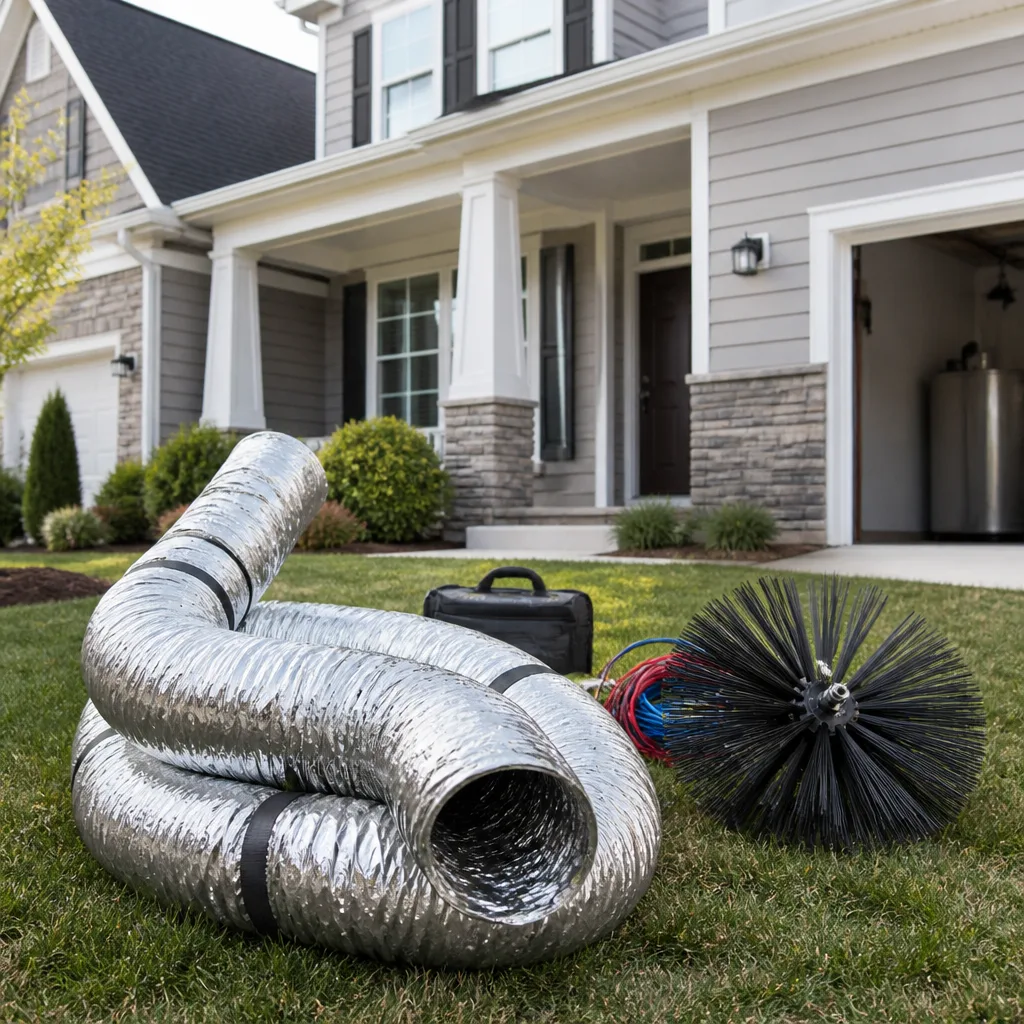
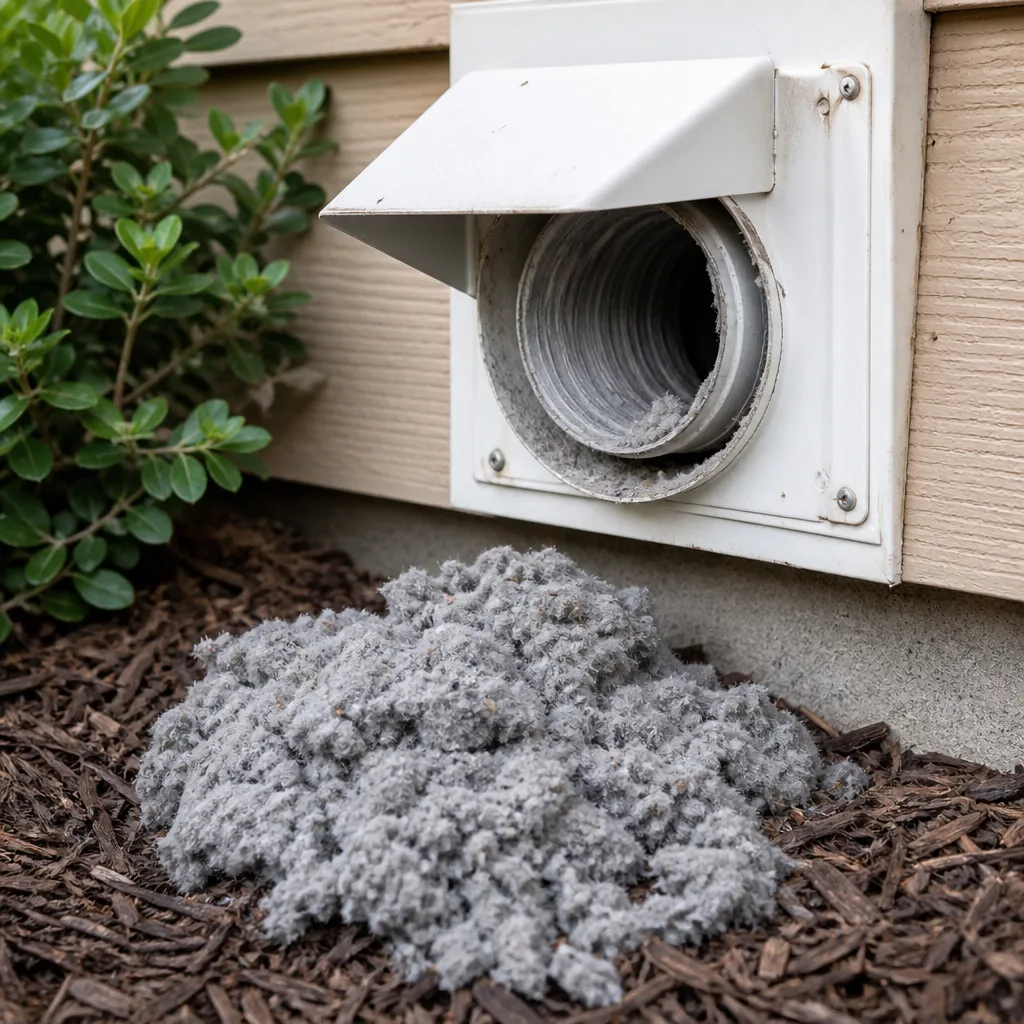
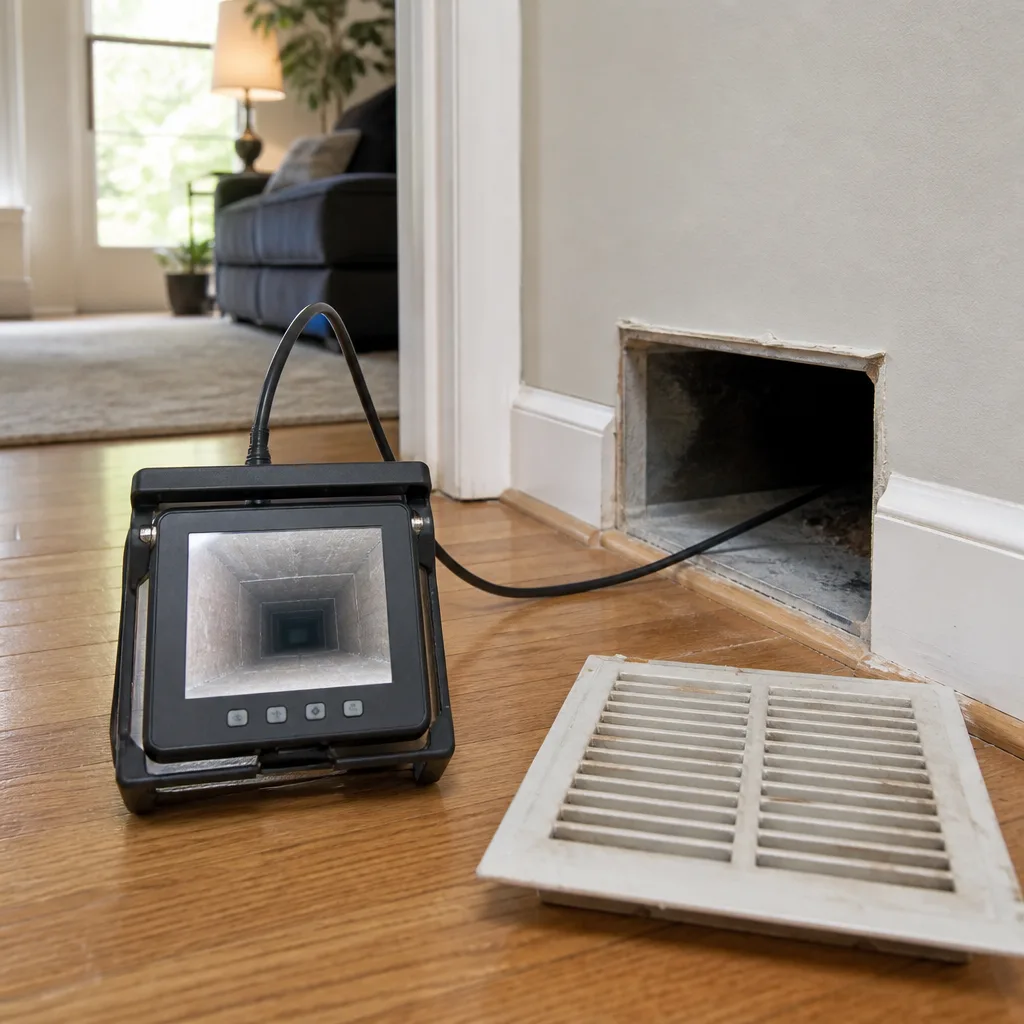
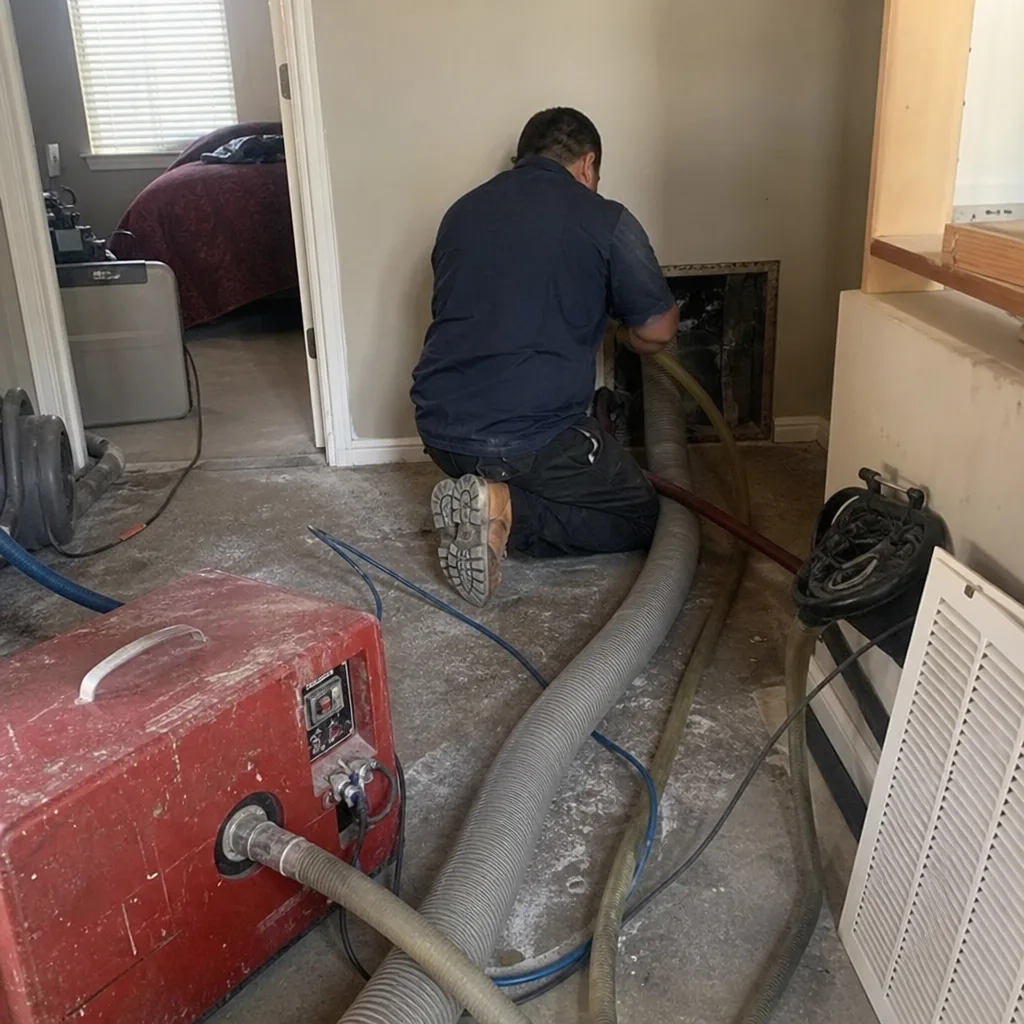
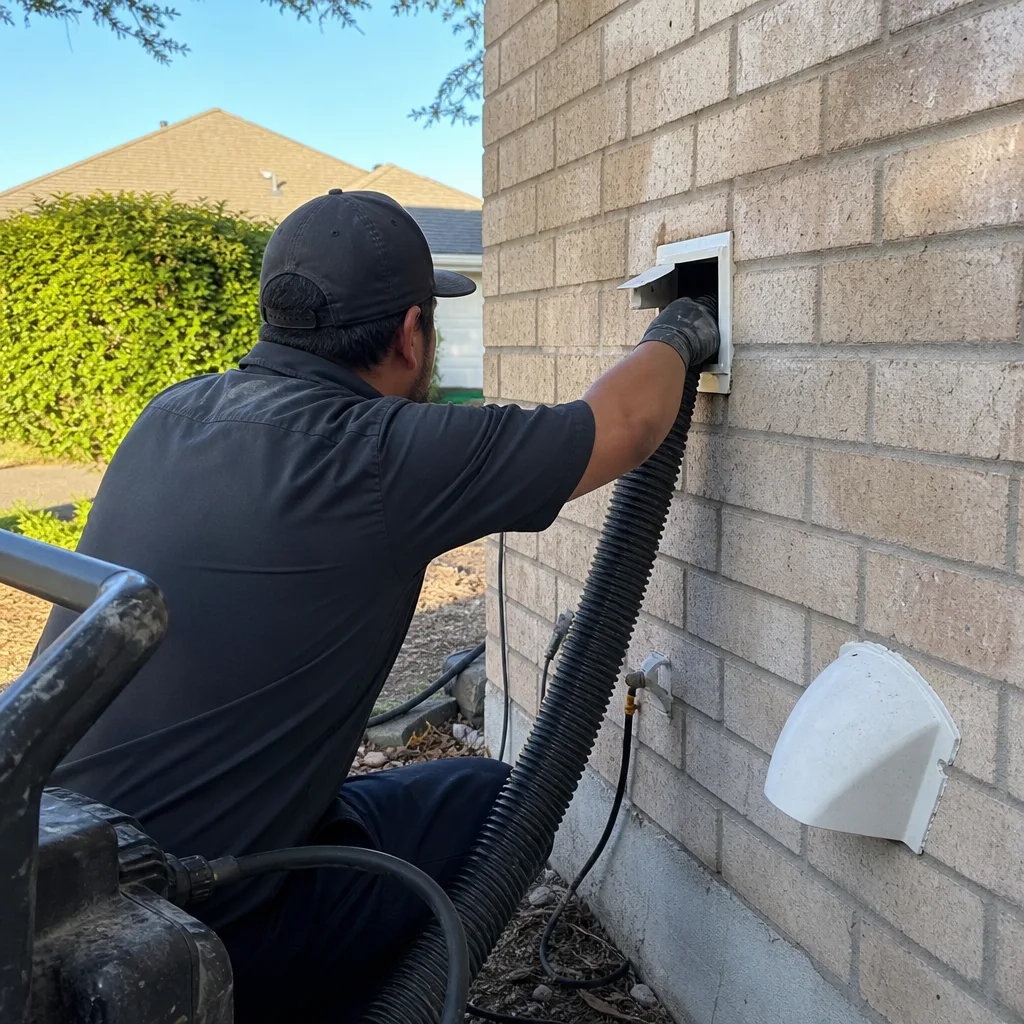
Whole-system duct and dryer vent check with before-and-after photos - you see exactly what came out of your vents
That "$99 whole-house special" is a bait ad - the real number appears once they are in your hallway, or the "clean" is a shop-vac at the register. We photograph the inside of your ducts before and after instead.

 Before
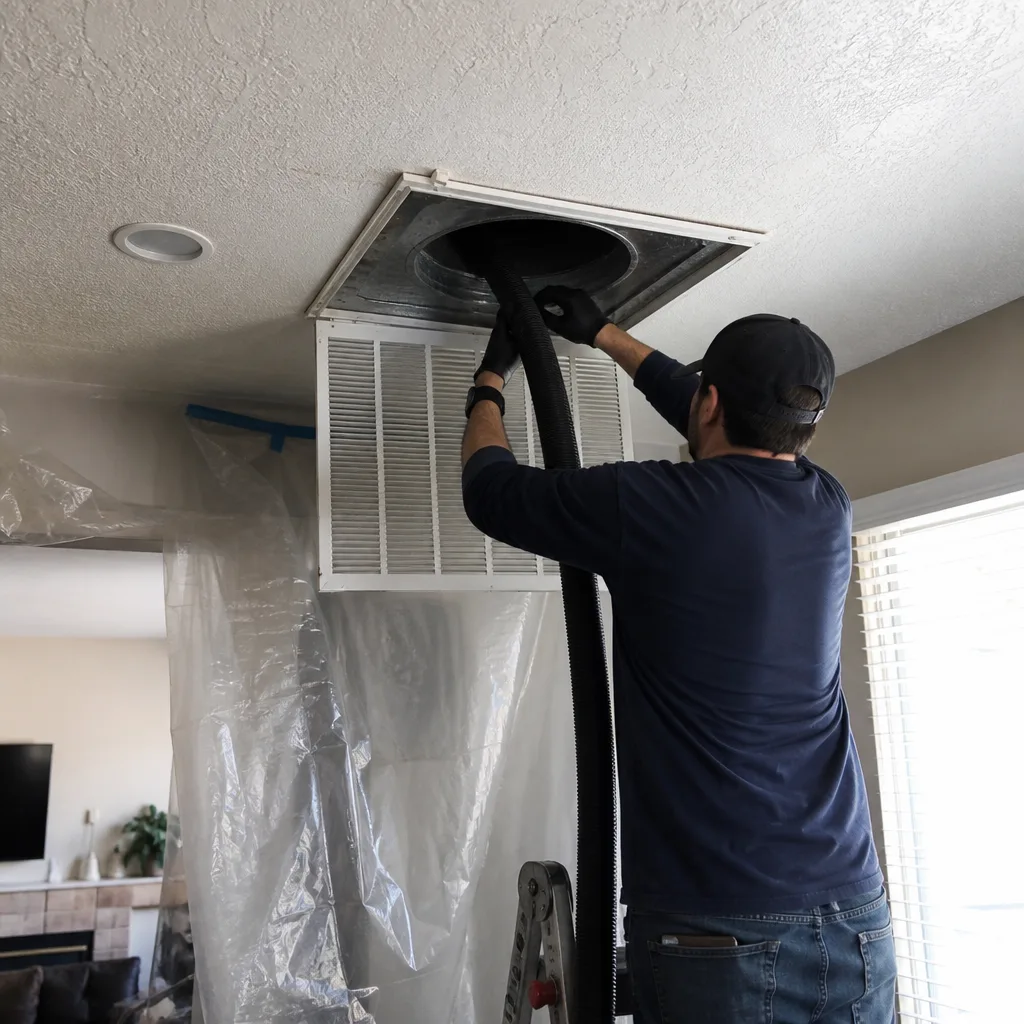 After
After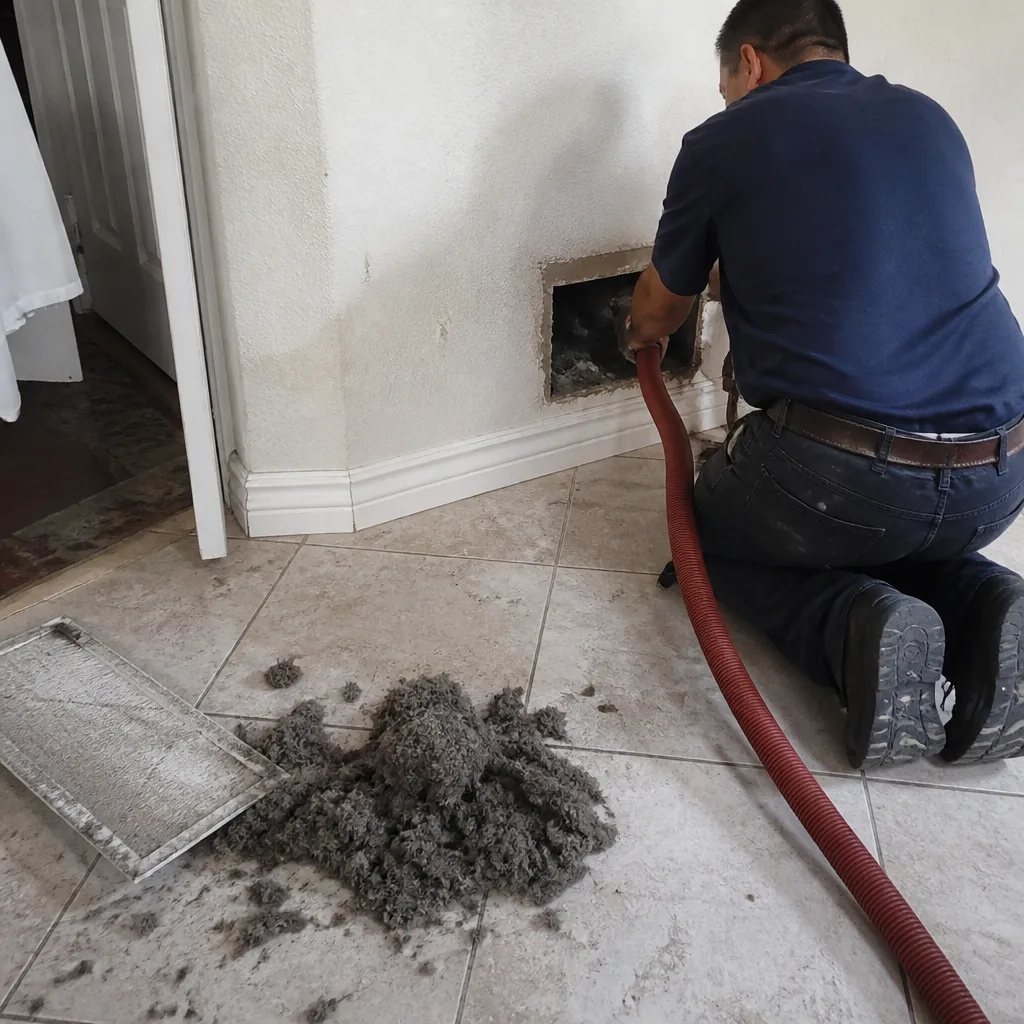 Before
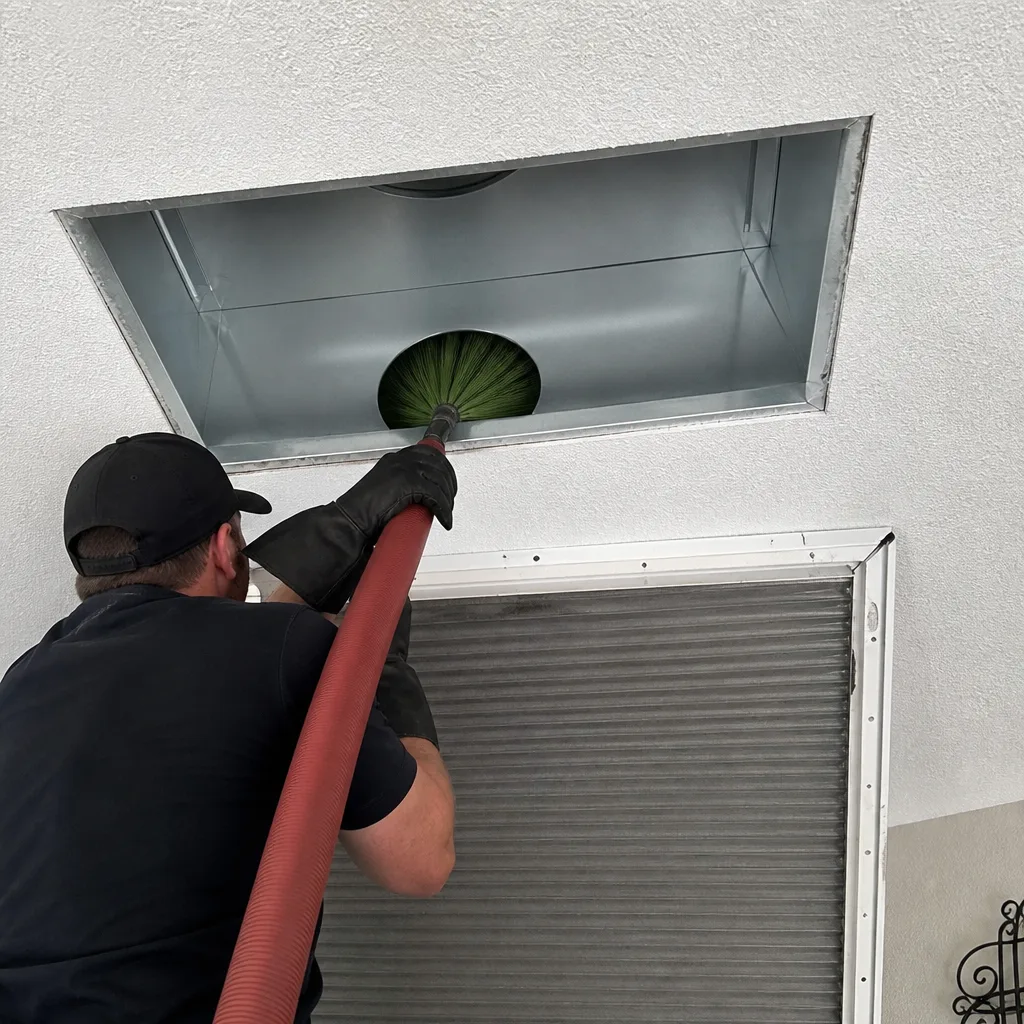 After
After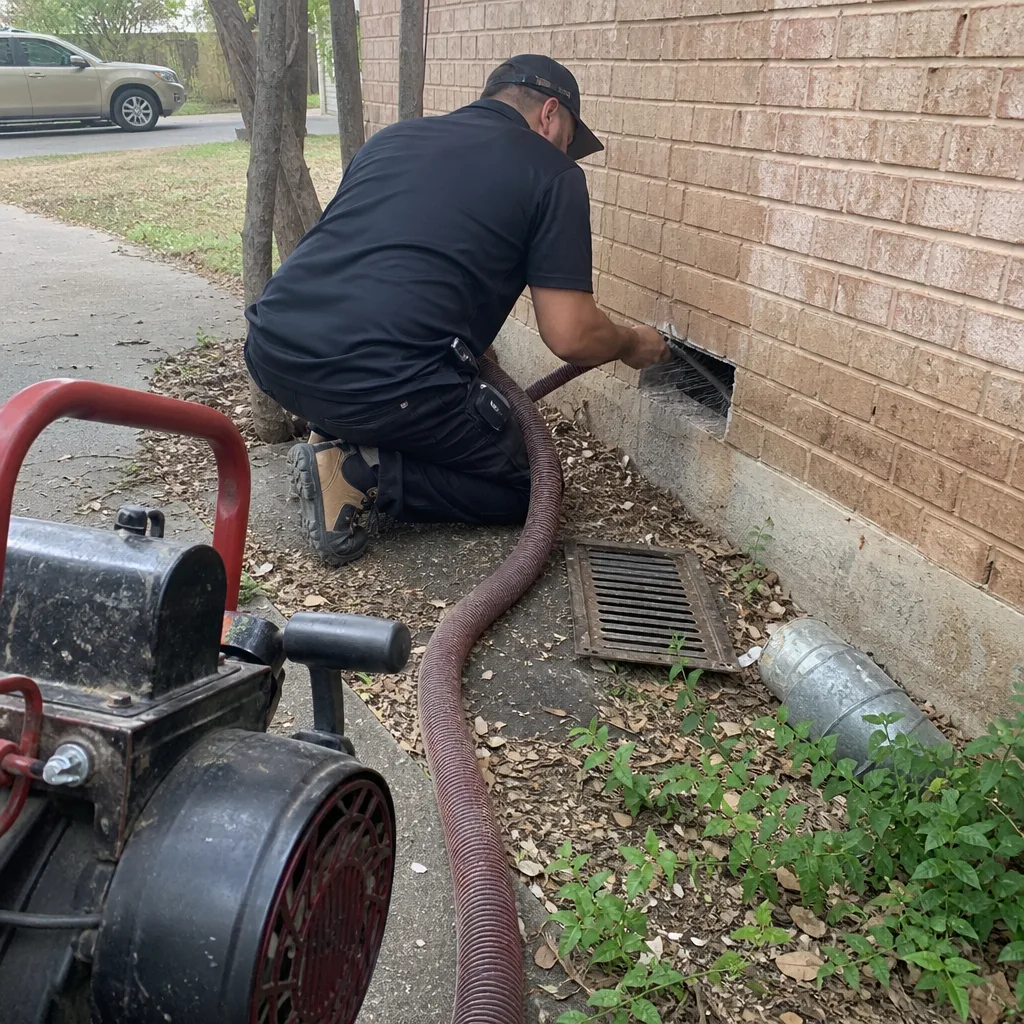 Before
 After
AfterRotobrush Duct Sealing & Repair: The San Antonio Owner’s Guide
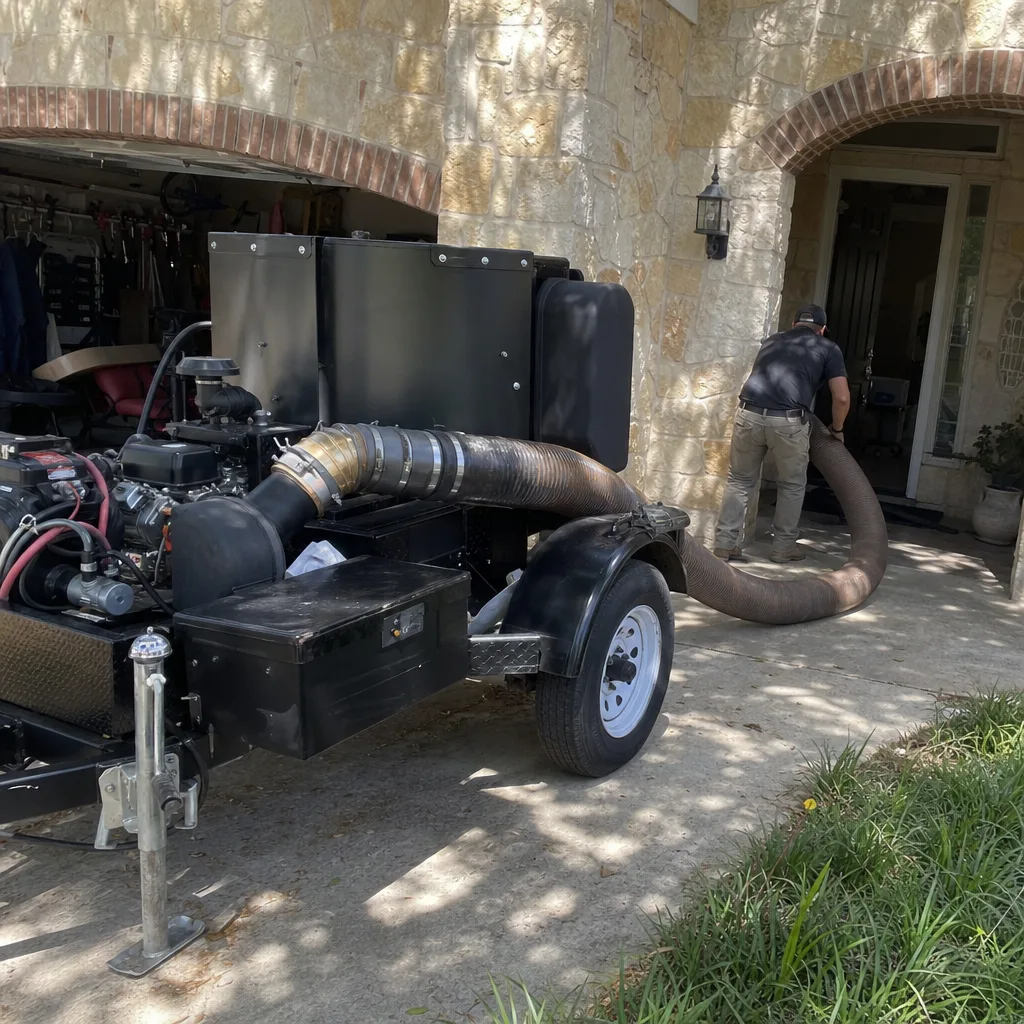
Rotobrush duct sealing and repair in San Antonio typically runs $340-$680 for a complete system, depending on linear footage and whether we’re sealing accessible plenums or chasing leaks behind finished walls. We stock Rotobrush-compatible mastic, foil tape, and mechanical sealants on every truck, and most residential jobs are completed in a single visit. Homeowners usually discover the problem when rooms won’t hold temperature, energy bills spike, or a camera inspection shows conditioned air bleeding into the attic through separated flex duct at the collar.
Which Rotobrush Models This Applies To
Rotobrush builds two main equipment lines that affect how we approach duct sealing and repair: the portable brush-and-vac systems (Beast, aiR+, and Classic series) and the larger negative-air machines used in commercial or heavy-residential jobs. The critical compatibility point isn’t the vacuum motor, it’s the diameter of the duct runs the equipment is designed to service. Rotobrush portables handle 4-inch to 18-inch round duct; their larger units service up to 24-inch commercial trunk lines. We match our sealant spec to that range, mastic for rigid metal and fiberglass-lined plenums, foil-backed tape for flex duct repairs where the inner liner is intact.
Most San Antonio homeowners with Rotobrush equipment have the Beast or aiR+ series, identifiable by the yellow housing and the serial plate on the motor shroud. The OEM sealant kit from Rotobrush runs thinner mastic than we prefer for Texas attic conditions, where summer heat tops 140°F and degradates water-based compounds in two to three years. We use a commercial-grade, fiber-reinforced mastic rated to 250°F, or a butyl-based foil tape for flex repairs. The aftermarket equivalent outperforms OEM here, and we document the spec on the written scope so you can verify it independently.
Signs Your Rotobrush Duct Sealing & Repair Is Failing
- Uneven temperatures room to room. When a flex duct separates at the main trunk collar, that room gets whatever leaks through the walls instead of conditioned air. In San Antonio’s summer, that means a bedroom hitting 82°F while the thermostat reads 74°F, and the homeowner cranks the AC harder instead of finding the break.
- Dust blowing from registers right after cleaning. If you ran the Rotobrush and now see particulate, the cleaning may have dislodged a failing tape seal at the plenum, dumping attic debris into the airflow. The camera usually shows a gap where mastic cracked or tape peeled at the heat exchanger interface.
- Energy bills climbing 15-30% with no rate change. Leaky supply ducts in a vented attic waste 20-30% of cooling energy in South Texas climate zones. The air you paid to chill escapes before it reaches the register, and the system runs longer to hit setpoint.
- Whistling or rushing air from walls or ceiling. That sound is pressure escaping through a breach. Rigid duct with a separated longitudinal seam sounds different than flex duct with a torn inner liner, but both mean conditioned air is pressurizing your framing cavities instead of your rooms.
- Musty or attic-smell odors when the system runs. A negative pressure leak on the return side pulls hot, humid attic air into the system. In San Antonio, that means mold-friendly conditions inside the ductwork within a single cooling season, and the smell hits before the growth is visible.
BeforeAfterReplacement Cost & What’s Included
| Scope | Typical Range |
|---|---|
| Single flex duct run repair (collar reseal, tape replacement) | $180-$280 |
| Partial system seal (accessible plenum + 3-4 runs) | $340-$480 |
| Full system seal with camera verification | $520-$680 |
| Rigid duct seam repair with mechanical fasteners + mastic | $220-$360 per section |
What drives the range: accessibility (crawl space vs. attic vs. finished soffit), duct material (flex is faster; rigid metal with internal liner takes longer), and whether we need to cut access panels. Every quote is written before work starts, Haven Standard Clause 1. The price includes the Documented Photo Record of every sealed joint, delivered as part of the job record, and the 365-Day Done Right Promise on workmanship. We also warranty against sealant failure for two years in normal attic conditions.
DIY or Call Us?
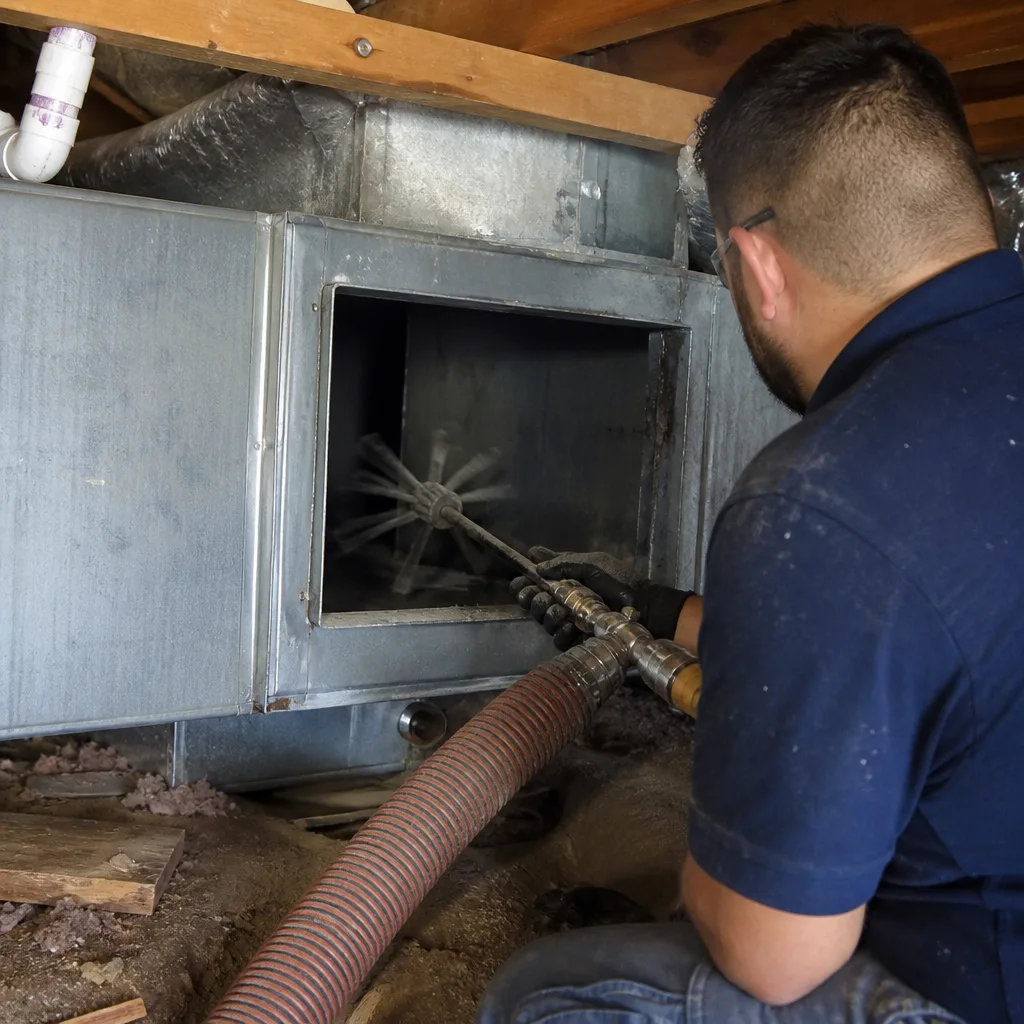
What you can safely check: the exposed flex duct in your attic, looking for sagging, crushed sections, or tape that’s peeled to silver backing. If you find a gap at a collar and the inner liner is intact, a homeowner-grade foil tape repair might hold for a season. But most duct sealing fails where you cannot reach or cannot see, behind insulation at the plenum, at the boot behind a drywall ceiling, or where flex duct has pulled off the register box entirely.
Where DIY goes wrong: mastic applied over dust or oil fails in months; tape on a dirty surface peels by fall; and sealing only the obvious leak while missing the larger breach at the trunk line wastes money and masks the real problem. Attic work in San Antonio summer carries heat-stroke risk, and disturbed insulation can release fiberglass particulate. We carry respirators, tyvek suits, and camera scopes for a reason. The camera goes in first. Then we talk. Call (726) 600-7155 and we’ll put a written number next to whatever you’ve found.
FAQs
Commercial-grade mastic and butyl tape last 10-15 years in vented attics here, but the OEM-grade water-based compounds some competitors use degrade in 2-3 years of 140°F summer heat. We specify the high-temp compound on every written scope so you know which you received. Call (726) 600-7155 for an exact quote - estimates are free.
Yes, if the flex duct inner liner is intact and the outer insulation isn’t water-damaged. We cut back to solid material, install a coupling collar, and seal with mechanical clamp plus mastic. If the inner liner is torn or the duct is crushed, replacement is the only repair that holds pressure. We photograph the damage before recommending either path.
Single-run repairs run 90 minutes to two hours. A full system seal with camera verification of every joint takes four to six hours for a 2,000-square-foot home. We schedule the arrival window, not a rushed dispatch, and we don’t leave until the photo record is complete and you’ve reviewed it.
We stock fiber-reinforced mastic, butyl foil tape, mechanical collars, and flex duct in 6-inch, 8-inch, and 10-inch diameters on every truck. We are an independent service provider, not affiliated with Rotobrush, but we’ve worked on their equipment since 2013 and match our sealant specs to their service ranges. If you have the model number from your yellow housing plate, mention it when you call.
CleanRun Duct Repair & Cleaning is independently owned and operated under the Haven Standard. We also stock parts and perform service for Lennox, Trane, and Carrier systems.
Ready to stop paying to cool your attic? Call (726) 600-7155. A live person answers, we’ll schedule a technician who arrives in a marked van with a name badge, and you’ll get a written price before any work starts. Bring a competitor’s quote and we’ll put ours next to it, free second opinion, Haven Standard Clause 5.
Written by Tomas Reyes, Owner, CleanRun Air Duct Cleaning San Antonio at CleanRun Air Duct Cleaning San Antonio, serving San Antonio and nearby areas.